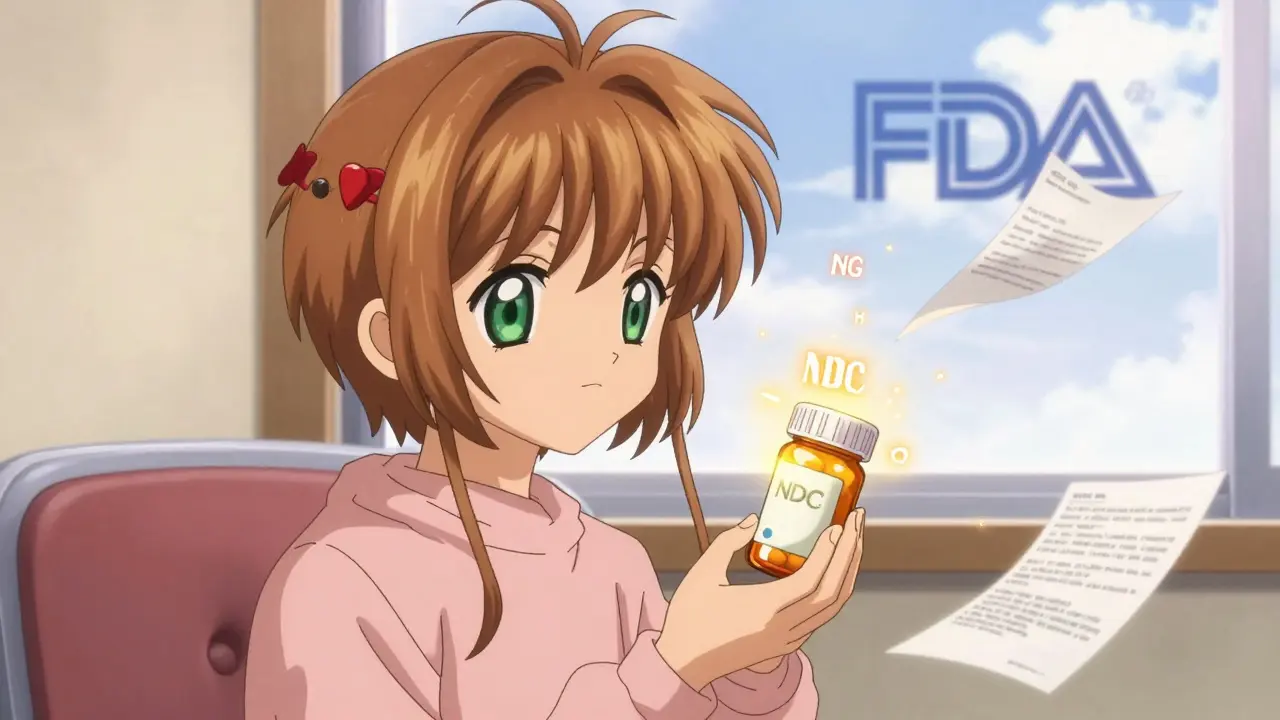
When you fill a prescription for a generic drug, you probably don’t think about who made it or what’s in the capsule beyond the active ingredient. But behind the scenes, a quiet but vital system is watching for problems - and it all starts with reports from doctors, pharmacists, and even patients. This is MedWatch, the U.S. Food and Drug Administration’s system for tracking dangerous side effects and failures in medicines, including the 90% of prescriptions that are generic.
How MedWatch Works for Generic Drugs
MedWatch isn’t a fancy lab or a high-tech monitoring center. It’s a simple reporting system. Anyone - a patient, a nurse, a pharmacist, or a drug company - can submit a report when something goes wrong. That could be a rash after taking a generic version of sertraline, dizziness from a new batch of levothyroxine, or a pill that just doesn’t seem to work like it used to. These aren’t just complaints. They’re data points that help the FDA spot patterns before a whole class of drugs becomes unsafe.
The system collects reports through two main ways: online at www.fda.gov/MedWatch or by filling out Form FDA 3500 on paper. Online is faster and preferred. You just need a web browser. No special software. No login. No cost. The form asks for basic info: what drug you took, what happened, when it happened, and who you are. The FDA doesn’t require your name, but they strongly encourage it. Why? Because if they need to follow up, they can.
For generics, this gets tricky. The form doesn’t ask: “Which manufacturer made this?” It just says “generic [drug name].” That’s a problem. In 2023, only 28% of consumer reports included the manufacturer’s name. But that’s the key. Two different companies can make generic bupropion XL. One might use a different filler or coating. And that tiny difference? It can change how the drug behaves in your body. That’s why the FDA tells reporters: if you know the manufacturer, write it down. Use the National Drug Code (NDC) number from the pill bottle. That 11-digit number is your best tool.
The Hidden Gap in Generic Safety Data
Here’s the uncomfortable truth: we don’t know enough about generic drug safety - not because generics are unsafe, but because we can’t tell which one caused the problem. In 2024, the FDA analyzed over 5,200 reports involving generics. Only 33% named the manufacturer. Compare that to brand-name drugs: 89% of reports included the maker’s name. That gap means the FDA can’t easily say, “Mylan’s version of levothyroxine is causing more side effects than Teva’s.” They see “generic levothyroxine” as one big, blurry group.
Patients notice the difference, though. On forums and Reddit, people report things like: “I switched to the generic and now I’m exhausted all day,” or “My thyroid levels are all over the place since I got the new bottle.” These aren’t just anecdotes. The FDA calls this “therapeutic inequivalence” - when a generic doesn’t work the same way as the brand or another generic. It’s not always the drug’s fault. Sometimes it’s the inactive ingredients - the dyes, fillers, or coatings - that affect how fast the medicine dissolves. The FDA requires generics to be 80-125% as effective as the brand. That sounds strict. But in real life, 80% might not be enough for someone with a sensitive condition like epilepsy or hypothyroidism.
A 2022 study found that patients are more likely to report problems with generics than they used to. Between 2020 and 2023, patient concerns about generic safety jumped 37%. That’s not because generics got worse. It’s because more people are paying attention. And they’re speaking up.
Who Reports and Why It Matters
Most reports come from healthcare workers - doctors, nurses, pharmacists. A 2024 AMA survey showed 96% of physicians find MedWatch easy to use. But many don’t know how to properly report generics. One pharmacist in Pittsburgh told me he’s submitted 17 reports over three years. Only two got replies. But one of them? Led to a label change on a generic thyroid drug. That’s how change happens.
Patients, though, are the biggest untapped source. Most don’t realize they can report. They think, “It’s just a generic - it’s not worth it.” But here’s the thing: if 100 people take the same generic and 5 of them have the same reaction, that’s a signal. If 100 people take Brand X and 1 has a reaction, that’s noise. But if 100 people take Generic Y and 5 have the same reaction? That’s a red flag. The FDA needs those numbers.
And here’s the catch: if you don’t report, the FDA can’t act. In 2022, multiple reports about a specific generic version of bupropion XL led to an FDA investigation. Within 11 months, they updated the drug’s label to warn about possible delayed absorption. That didn’t happen because someone in a lab noticed something. It happened because real people - patients and pharmacists - took the time to report.
What’s Being Done to Fix the System
The FDA knows this is broken. In 2024, they rolled out a new algorithm that can now identify generic drugs in reports with 92% accuracy. It doesn’t rely on people writing “Mylan” or “Teva.” Instead, it looks at patterns: the NDC number, the date the drug was approved, the dosage form, even the pharmacy chain where it was filled. This is a game-changer. It means the FDA can now start comparing safety data between manufacturers - not just between brand and generic.
They’re also pushing for better integration. By 2026, they plan to connect MedWatch directly to electronic health records. That means when a doctor prescribes a generic, the system automatically pulls the NDC number and manufacturer. No more guesswork. No more forgotten bottles. Just clean, accurate data.
The Generic Drug User Fee Amendments (GDUFA) III plan, launched in 2023, includes specific goals to improve generic safety tracking. The FDA now tracks generic-specific reports separately. And they’ve started Spanish-language reporting forms - because if you don’t speak English, you shouldn’t be left out of safety reporting.
What You Can Do
If you take a generic drug and notice something off - a new side effect, a drop in effectiveness, a weird taste, or even just “it doesn’t feel right” - report it. Here’s how:
- Check the pill bottle. Find the NDC number - it’s usually on the label.
- Write down the manufacturer name if it’s listed (often near the NDC).
- Go to www.fda.gov/MedWatch and fill out the form.
- Under “Drug Name,” write: generic [drug name] (manufacturer name). Example: “generic levothyroxine (Teva)”
- Describe exactly what happened: “I switched to this generic in January. Within 3 days, I had heart palpitations and trouble sleeping. My doctor says my TSH is up.”
- Include dates. When did you start the new batch? When did symptoms begin?
Don’t wait for a “serious” event. Mild reactions matter. A rash, a headache, a change in mood - if it’s new and tied to the drug, report it. You’re not just protecting yourself. You’re helping thousands of others.
The Bigger Picture
Generics save the U.S. healthcare system over $1 trillion a year. They’re essential. But safety can’t be an afterthought. Right now, the system is built on trust - trust that the generic you get today is the same as yesterday. But manufacturing changes. Suppliers change. Formulations change. And without clear, specific data, we’re flying blind.
The tools are getting better. The algorithms are smarter. The FDA is listening. But it still needs you. Every report matters. Every NDC number written down. Every time someone says, “I think this one’s different.”
This isn’t about distrust in generics. It’s about accountability. It’s about making sure that when we rely on these drugs - and we all do - we know they’re safe, consistent, and working the way they should.


John Smith February 22, 2026
So let me get this straight - we’re trusting our thyroid levels to a pill that could’ve been made in a garage in Bangalore and we’re supposed to be grateful?
Generic = cheap. Cheap = corner-cutting. And now we’re supposed to report it like it’s a Yelp review? Brilliant.
Shalini Gautam February 23, 2026
In India we know generics better than anyone - our whole system runs on them. But you Americans act like generics are some kind of betrayal. My mom takes 5 generics daily - no issues. Maybe your doctors just don’t know how to prescribe them right?
Holley T February 24, 2026
The idea that the FDA can’t track manufacturers because people don’t write down the NDC number is both absurd and predictable. We live in a world where smart fridges track your milk consumption, but somehow a 11-digit number on a pill bottle is too much to ask?
And let’s not pretend this is about safety - it’s about liability. Pharma companies don’t want to be held accountable for batch-to-batch variation because then they’d have to stop outsourcing to the lowest bidder. The system isn’t broken - it’s designed this way.
Ashley Johnson February 26, 2026
I’ve been saying this for years - the FDA is in bed with Big Pharma. You think they don’t know which generic manufacturers are cutting corners? They do. They just don’t care.
Did you know some generics use talc as a filler? TALC. The same stuff that causes ovarian cancer? I’ve had 3 different generics of the same drug - each one gave me different side effects. I’m not crazy. I’m just the 1 in 100 who actually noticed. The rest? They’re too busy scrolling TikTok to care.
Brooke Exley February 28, 2026
You’re not alone. Seriously. If you’ve ever felt off after switching generics - you’re not imagining it.
Reporting it? It feels like shouting into a void. But here’s the thing: every report adds up. That one pharmacist who got a reply? He changed a label. That’s power.
Don’t give up. Write down the NDC. Take a photo of the bottle. Send it in. You’re not just helping yourself - you’re helping someone’s grandma, their kid, their neighbor. You’re the quiet hero nobody sees. And that’s worth it.
Alfred Noble February 28, 2026
I’m a pharmacist. Been in the game 18 years.
Most patients don’t know the difference between a generic and the brand. They just want it cheap. But I’ve seen it - same drug, different batch, different results. One guy switched to a new generic and his seizures came back. We caught it because he remembered the pill looked different.
Just write down the NDC. It takes 5 seconds. The FDA’s new algorithm? It’s good. But it’s not magic. We still need humans to spot the weird stuff.
And yeah - I report. Every time. Even if no one replies. Someone’s gotta do it.
Matthew Brooker March 1, 2026
If you’re taking a generic and something feels off - trust that feeling. Your body knows.
Don’t wait for it to be 'serious.' A headache, a mood swing, a weird taste? That’s data. That’s your body telling you something changed.
And if you don’t report it? Someone else will. Maybe their kid. Maybe their parent. Maybe you next time.
It’s not about being paranoid. It’s about being awake.
Emily Wolff March 2, 2026
The FDA doesn’t care. They’re funded by the same companies that make the generics. This whole system is theater. Report all you want - it won’t change a thing.
Lou Suito March 2, 2026
Wait - so you’re telling me the FDA is now using an algorithm to infer manufacturer identity based on pharmacy chain, dosage form, AND approval date? That’s… actually kind of brilliant. But also terrifying. What’s next? Predicting your mood from your pill bottle?
And why does no one mention that the 80-125% bioequivalence range is a joke? That’s a 45% swing! You could be getting a drug that’s half as effective - or 25% more potent - and the FDA says 'it’s fine.'
Also - NDC? You mean the tiny number on the side of the bottle? The one you need a magnifying glass to read? Good luck with that.
Joseph Cantu March 2, 2026
I’ve been on 7 different generics of the same antidepressant. Each one felt like a different person. One made me suicidal. One made me manic. One made me feel like a robot.
And you know what the FDA said? 'No pattern found.'
Because they don’t look at the manufacturer. They look at the drug name. Like it’s all the same. Like my body doesn’t know the difference. Like my suffering doesn’t matter.
They’re not protecting us. They’re protecting the profit margin.
Jacob Carthy March 3, 2026
I don’t care what you say - generics are the reason I’m alive. My dad’s blood pressure meds? Generic. My mom’s insulin? Generic. We’re not rich. We don’t get to pick.
Stop acting like this is a luxury problem. People are dying because they can’t afford the brand. If you want to fix this - fix the cost. Not the reporting.
Lisandra Lautert March 4, 2026
I switched generics. Got a rash. Reported it. Got a letter back 14 months later saying 'no action taken.'
So I sent another. With photos. My doctor’s note. My bloodwork.
They changed the label. Three months later.
I didn’t do it for me. I did it for the next person.
Cory L March 5, 2026
I used to think generics were all the same. Then I had a panic attack after switching to a new batch of bupropion. Turns out - the new one had a different coating. Took 3 weeks to figure it out.
Now I take a photo of every bottle. Write down the NDC. Tell my doctor.
It’s not paranoia. It’s strategy. And if you’re not doing it? You’re playing Russian roulette with your health.
Bhaskar Anand March 7, 2026
India exports 40% of the world’s generics. We make them better than you. We don’t need your fancy algorithms. We’ve been tracking batches since the 1980s. Your system is outdated. Your regulators are asleep. Your patients are too lazy to read labels.
Fix your own house before you lecture the world.