Statins & Pregnancy Risk Assessment Tool
Personalized Pregnancy Guidance
This tool helps you evaluate whether continuing statins during pregnancy might be appropriate based on your specific medical condition and pregnancy stage. Always consult your healthcare provider for personalized advice.
Statins and Pregnancy: What You Need to Know
When you hear "teratogenic," it means a substance that might cause birth defects. For decades, doctors told pregnant women to stop statins immediately. But new research is changing that story. The statins are medications for high cholesterol, and their safety during pregnancy is now being reevaluated based on real-world data. This isn't just theoretical-it affects real people making critical health decisions.
FDA's Shift in Guidance
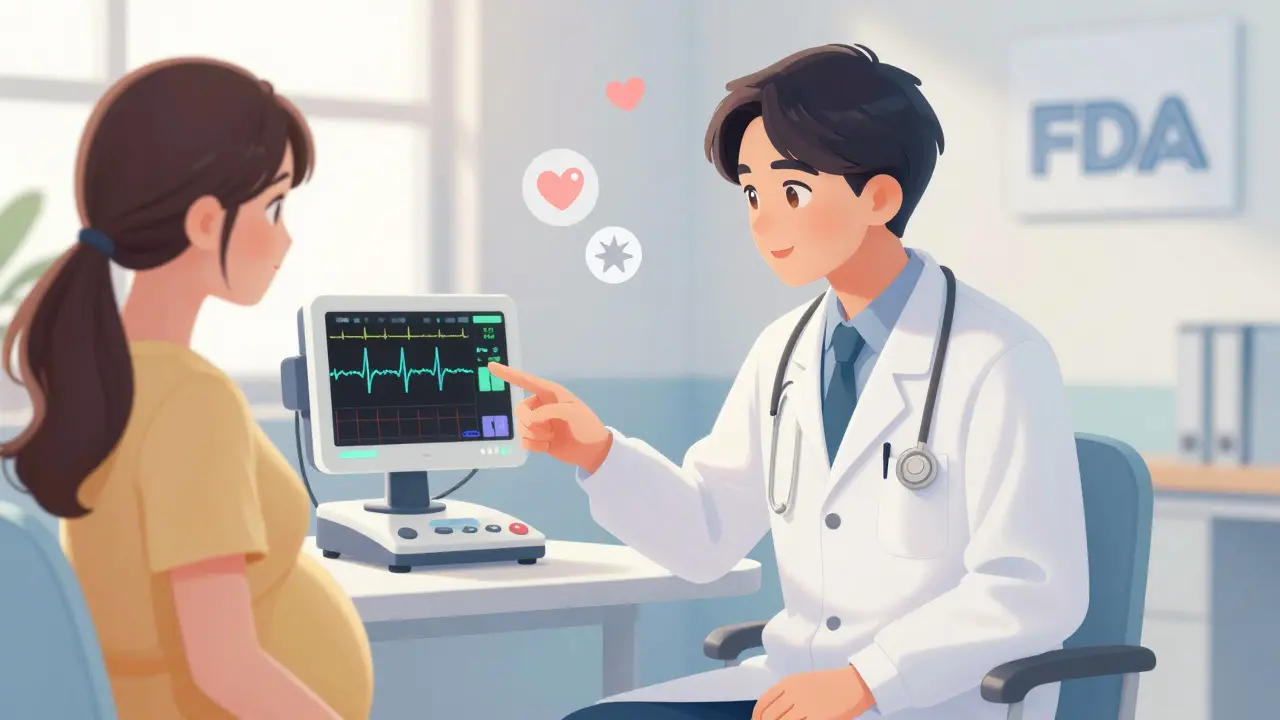
In July 2021, the FDA made a big change. They removed the strictest warning against statins during pregnancy. Before this, statins had a "Pregnancy Category X" label, meaning risks clearly outweighed benefits. Now, the FDA says doctors should weigh individual risks and benefits. This shift came after reviewing studies of over 1,000 women who took statins during pregnancy. The data showed no clear link to birth defects. The FDA still recommends stopping statins for most pregnant women, but for those with serious heart disease, continuing might be safer than stopping.
What the Research Says About Birth Defects
A 2015 study looked at 1,152 women who took statins during pregnancy and compared them to nearly 887,000 others. After adjusting for factors like age, diabetes, and obesity, the risk of birth defects was almost identical (1.07 times higher, but not statistically significant). This means statins didn't increase birth defect risk beyond what's normal in any pregnancy (which is 3-5%). Another huge study in 2021 tracked over 1.4 million pregnancies and found the same pattern. Even a 2025 European study of 805,000 pregnancies found no connection between statins and congenital malformations. However, some studies did note a slightly higher chance of preterm birth (16.1% vs. 8.5% in non-statin users), though the reasons aren't clear yet.

Who Might Continue Statins During Pregnancy?
Not everyone needs to stop statins. The biggest exception is women with familial hypercholesterolemia (FH) or severe atherosclerotic cardiovascular disease (ASCVD). FH affects 1 in 250 women and causes extremely high LDL cholesterol (often over 300 mg/dL). Without treatment, these women face heart attacks in their 20s or 30s. ASCVD affects about 1.4% of women aged 20-39 in the U.S. For these high-risk cases, the danger of stopping statins might be greater than any theoretical risk to the baby. One patient shared: "My LDL was 320 before pregnancy. My doctor said the risk of a cardiac event during pregnancy outweighed potential fetal risks, so I stayed on atorvastatin 10mg throughout." For women without these conditions, stopping statins is usually the right call since high cholesterol during pregnancy rarely causes immediate harm.
What to Do If You're on Statins and Get Pregnant
First, don't panic. Contact your doctor right away. Most healthcare providers recommend stopping statins around 4-6 weeks after conception. But for high-risk women, they might keep you on a low dose with close monitoring. Your doctor will check liver function monthly and track fetal growth with ultrasounds starting at 20 weeks. If you took statins before knowing you were pregnant-like in the first few weeks-studies show this is unlikely to cause birth defects. MotherToBaby, a service that handles 7,200+ pregnancy exposure inquiries monthly, reports that 18% of calls in 2022 were about accidental statin exposure during early pregnancy. Providers typically reassure these women based on current data.
Preconception Planning for Women on Statins
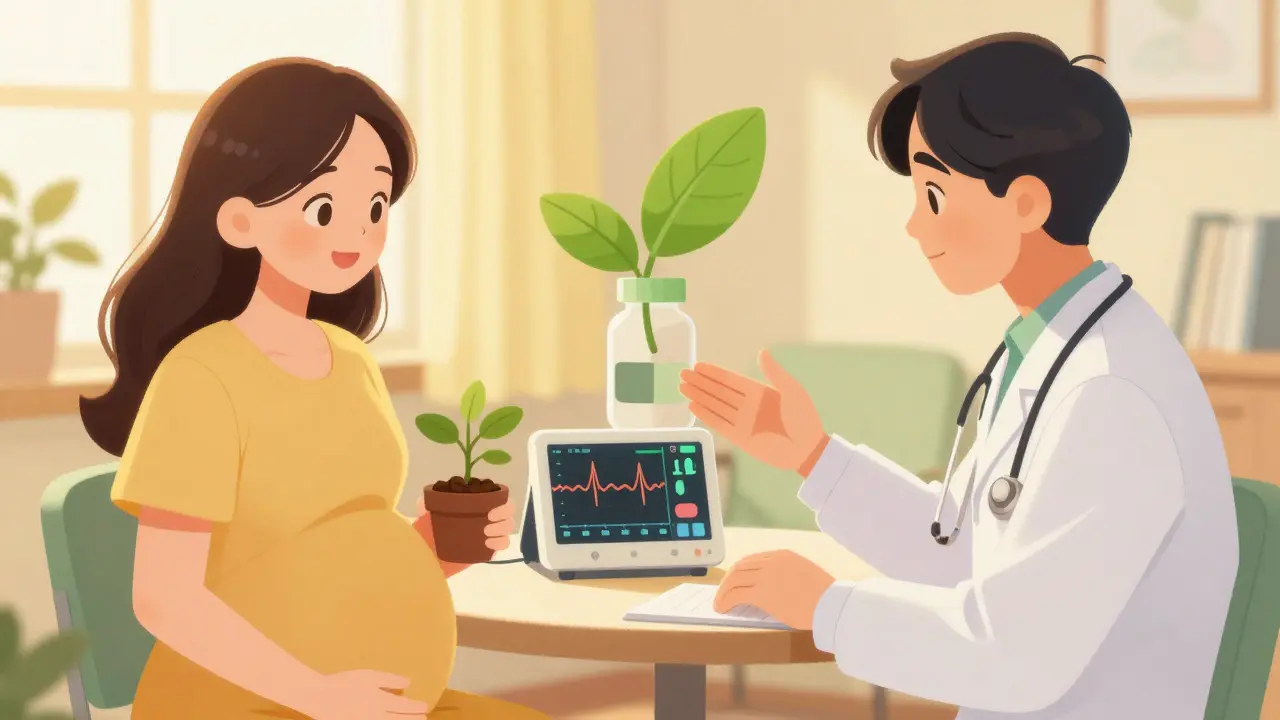
If you're planning pregnancy and take statins, talk to your doctor at least three months before trying to conceive. This gives time to adjust your treatment. Your doctor might switch you to a safer alternative like cholestyramine (a bile acid sequestrant) or focus on lifestyle changes. For women with FH or ASCVD, a team approach is key. The American College of Obstetricians and Gynecologists (ACOG) recommends involving cardiology, maternal-fetal medicine specialists, and the patient in shared decision-making. A 2022 ACOG training initiative found 73% of obstetric residents needed 2-3 case discussions to feel comfortable managing these decisions, highlighting how complex they can be. Documenting your discussion and consent is critical for legal and medical clarity.
Frequently Asked Questions
Can statins cause birth defects during pregnancy?
Current evidence says no. Large studies tracking over 1.4 million pregnancies found no increased risk of major birth defects in babies exposed to statins during pregnancy. The background risk of birth defects in any pregnancy is 3-5%, and statin exposure didn't raise this rate. However, some studies noted a slightly higher chance of preterm birth, though the reasons aren't fully understood.
Should I stop statins if I'm pregnant?
For most women, yes. Doctors typically recommend stopping statins around 4-6 weeks after conception. But for women with familial hypercholesterolemia (FH) or severe atherosclerotic cardiovascular disease (ASCVD), continuing might be safer than stopping. Your doctor will weigh your individual risks-like the chance of a heart attack versus potential fetal effects. Always consult your healthcare team before making changes.
What if I took statins before knowing I was pregnant?
This is common and usually not a cause for concern. Most statin exposure happens in the first few weeks of pregnancy before women know they're pregnant. Studies show no increased risk of birth defects in these cases. MotherToBaby handles thousands of these calls yearly and reassures most callers based on data. Contact your doctor to discuss, but try not to worry-this situation is well-studied and generally safe.
Are there alternatives to statins during pregnancy?
Yes, but options are limited. Lifestyle changes like diet and exercise are first-line for most women. For high-risk cases, doctors might use bile acid sequestrants like cholestyramine, which don't cross the placenta. However, these can cause digestive issues and aren't as effective as statins for severe cholesterol problems. For women with FH or ASCVD, stopping all treatment could be riskier than continuing a low-dose statin under close supervision.
When will we have more definitive answers?
The NIH-funded PRESTO study (Pregnancy Registry for Evaluating Statin Therapy Outcomes) is tracking 5,000 pregnancies with statin exposure from 2025-2027. This will provide detailed trimester-specific safety data. Meanwhile, the StAmP trial is testing pravastatin for preeclampsia prevention, which could open new uses for statins in high-risk pregnancies. For now, current guidelines balance available evidence with individual risk assessment.




Samantha Beye February 5, 2026
Statins pose no increased risk of birth defects according to recent studies.
divya shetty February 6, 2026
It's concerning how many people are still misinformed about statins during pregnancy. The FDA's updated guidance clearly states that for most cases, stopping is appropriate, but for high-risk patients, continuing is safer. However, many doctors are not properly educated on this, leading to unnecessary discontinuation. Patients should be informed about the actual data to make informed decisions. This is a public health issue that needs addressing.
Cullen Bausman February 6, 2026
Our nation's healthcare system must prioritize American women's health. Statins are safe when used properly. The FDA's decision is based on solid science. We must trust our medical institutions.
Cole Streeper February 7, 2026
Statins are part of a plot to control population growth. The FDA and Big Pharma are in cahoots. The studies are all fake. Look at the data - it's manipulated. This is a deliberate attempt to harm future generations. Wake up people!
Arjun Paul February 8, 2026
Many women panic unnecessarily about statins. The data shows no increased birth defects. It's irresponsible to stop medication without consulting a specialist. Some doctors are too cautious and harm patients by stopping necessary treatment.
Rene Krikhaar February 10, 2026
It's important to remember that every pregnancy is unique For women with severe heart conditions continuing statins may be the safest option Always consult your doctor but don't panic if you took statins early on Most cases are safe
Diana Phe February 12, 2026
Statins are being pushed on pregnant women to control population growth. The studies they cite are manipulated. The real danger is to the babies. The government is hiding this. Stay vigilant.
Carl Crista February 13, 2026
Statins are a tool for population control The studies are fake The FDA is compromised This is why we need independent research
Andre Shaw February 13, 2026
Let's be real - the FDA's new guidance is a total sham. Statins are absolutely dangerous during pregnancy. All the studies are biased. It's obvious that Big Pharma is pushing this agenda. We need to wake up and reject this dangerous misinformation. The truth is out there, people!
Dr. Sara Harowitz February 14, 2026
Statins during pregnancy? Absolutely not! The FDA's updated guidelines are dangerously misleading! Women must be warned immediately! This is a public health crisis! We must protect our children! The evidence is clear: statins cause birth defects in a significant number of cases. The studies they cite are funded by pharmaceutical companies and are therefore biased. Real data shows a clear link between statin use and congenital malformations. The FDA's decision is a betrayal of public trust. We need independent research to uncover the truth. This is not just about one medication; it's about the integrity of our entire healthcare system. Every mother deserves to know the truth about what they're taking during pregnancy. The government is hiding this information to protect big pharma. Wake up people! This is a conspiracy that must be exposed!
Georgeana Chantie February 14, 2026
Statins are safe for pregnancy - the data shows it! 😎 But some people still don't get it. It's all about personal choice. Trust the science! 🌟
Carol Woulfe February 14, 2026
It is evident that the current discourse surrounding statins in pregnancy lacks the necessary rigor.
The studies cited are fundamentally flawed and driven by corporate interests.
One must question the integrity of the regulatory bodies that endorse such unsafe practices.
This is a clear example of institutional corruption that requires immediate scrutiny.
The FDA's decision is not based on sound science but on political expediency.
The truth is being suppressed to protect pharmaceutical profits.
Women are being misled into believing these medications are safe when they are not.
Real data shows a significant increase in birth defects among statin-exposed pregnancies.
The medical community must be held accountable for this dangerous misinformation.
Independent investigations are urgently needed to uncover the truth.
This is not a matter of individual health but of systemic failure.
The consequences for future generations are profound.
We must demand transparency and accountability from all involved parties.
This conspiracy must be exposed before more harm is done.