FibroScan: What It Is, How It Works, and What It Reveals About Liver Health
When your doctor suspects liver damage, you might expect a needle biopsy. But now, many clinics use FibroScan, a non-invasive device that measures liver stiffness to detect scarring. Also known as transient elastography, it's a fast, painless alternative to invasive procedures that gives real-time results in minutes. Unlike blood tests that only hint at liver problems, FibroScan directly shows how stiff your liver has become — a clear sign of fibrosis or cirrhosis.
It works by sending a low-frequency pulse through your liver and measuring how fast it travels. The stiffer the tissue, the faster the wave moves — and the more scar tissue is likely present. This is especially useful for people with NAFLD, a common condition where fat builds up in the liver, often linked to obesity or diabetes, or those managing chronic hepatitis, a long-term viral infection that slowly damages the liver over years. You don’t need to fast for hours, and there’s no recovery time. Just lie back, relax, and the machine does the rest.
FibroScan isn’t perfect — it can be less accurate in very obese people or those with a lot of fluid in the abdomen — but it’s become the go-to tool for monitoring liver health over time. Doctors use it to track progress after lifestyle changes, check if antiviral treatment is working, or decide when to refer someone for further care. It’s also helping reduce unnecessary biopsies, which carry risks like bleeding and infection.
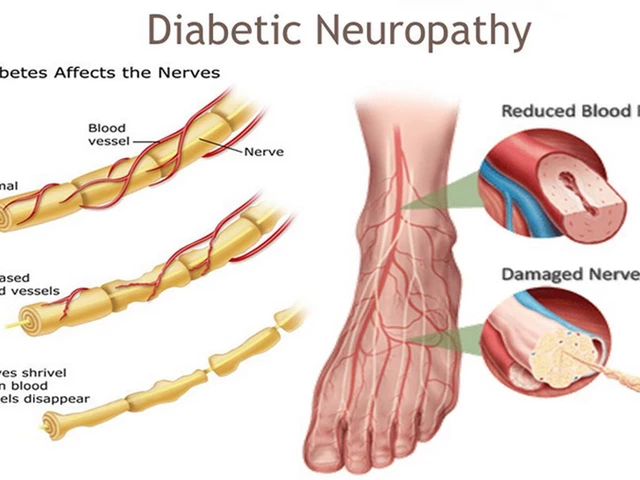
What you’ll find in the posts below are real stories and science-backed insights on how FibroScan fits into everyday care. You’ll see how it’s used to catch early liver damage in people with diabetes, how results compare to blood markers, and why some patients get conflicting readings. There’s also coverage on how it’s changing the way clinics manage fatty liver disease, what normal vs. abnormal numbers mean, and how it’s being paired with other tools like MRI or elastography to get a fuller picture. No fluff. Just clear, practical info you can use whether you’re a patient, caregiver, or just trying to understand your own lab results.

Noninvasive Liver Fibrosis Tests: FibroScan and Serum Scores Explained
FibroScan and serum scores like FIB-4 offer safe, accurate ways to detect liver fibrosis without biopsy. Learn how they work, when to use each, and why combining them saves lives.