
Imagine waking up with a lifelong liver condition simply because a quick shot was missed decades ago. That's the reality for many, but it doesn't have to be. Preventing viral hepatitis isn't about guessing; it's about following a precise timeline. Whether you're a new parent, someone planning a trip abroad, or an adult realizing you've missed your shots, getting the timing right is the only way to ensure your immune system actually recognizes and fights the virus.
To start, let's define what we're dealing with. Viral hepatitis vaccination is a series of immunization protocols designed to protect the liver from inflammation caused by hepatitis A and B viruses. While both affect the liver, they behave differently. Hepatitis A is typically an acute, short-term infection, whereas Hepatitis B can become a chronic, lifelong battle if not prevented or treated.
The Essentials: Hepatitis B Schedules
For most people, protection against Hepatitis B begins the moment they enter the world. The viral hepatitis vaccination for infants is a 3-dose series. The first dose is the "cornerstone"-it's given within 24 hours of birth. The second follows at 1-2 months, and the final dose arrives between 6 and 18 months. Why the rush? Starting early reduces chronic infection rates in children to less than 1% in countries with high coverage.
But what if you're an adult? The game changes based on which brand your doctor uses. Not all vaccines are the same. For example, Heplisav-B is a 2-dose series (at 0 and 1 month), which often shows higher protection rates in older adults or those with diabetes. On the other hand, PreHevbrio requires three doses at 0, 1, and 6 months. If you have a compromised immune system or are on hemodialysis, you might need more doses or higher concentrations, such as four doses of Engerix-B, to get the same level of protection.
Hepatitis A: The Two-Step Process
Unlike the complex Hep B timelines, Hepatitis A vaccination is more straightforward. It is typically a 2-dose series. For kids, the first shot usually happens between 12 and 23 months. For adults, the timing is flexible, but the key is the gap: you must wait at least 6 months between the first and second dose. This gap ensures the second dose acts as a proper booster, locking in long-term immunity.

The "Fast Track": Combination and Accelerated Options
What if you're flying to a high-risk region in three weeks? You can't wait six months for a booster. This is where Twinrix comes in. It's a combination vaccine that covers both Hep A and Hep B in one go. While there is a standard 3-dose schedule, there's also an accelerated 4-dose version (days 0, 7, and 21-30, with a booster at 12 months).
The trade-off here is speed versus longevity. An accelerated schedule gets you protective antibody levels much faster-around 94% of people are protected within a month compared to only 50% on a standard path. However, the booster at 12 months is non-negotiable. If you skip it, your long-term protection drops significantly.
| Vaccine | Target Virus | Standard Schedule | Key Attribute |
|---|---|---|---|
| Heplisav-B | Hepatitis B | 2 doses (0, 1 month) | Higher seroprotection in adults |
| PreHevbrio | Hepatitis B | 3 doses (0, 1, 6 months) | Alternative adult option |
| Havrix / Vaqta | Hepatitis A | 2 doses (6 months apart) | Standard Hep A protection |
| Twinrix | Hep A & B | 3 or 4 doses | Ideal for rapid travel prep |
Common Pitfalls and How to Avoid Them
The biggest enemy of vaccination isn't the virus-it's the calendar. Many adults start the series but never finish it. Data shows that about 41% of adults fail to complete their Hep B series. This usually happens because the second or third dose is spaced too far apart or simply forgotten. To avoid this, use your phone's calendar to set reminders for the 1-month and 6-month marks immediately after your first appointment.
Another common mistake is ignoring the "minimum interval." If you get your second dose too early (for instance, less than 4 weeks after the first for a standard Hep B shot), it might not trigger the full immune response, meaning you're paying for a shot that isn't actually protecting you.
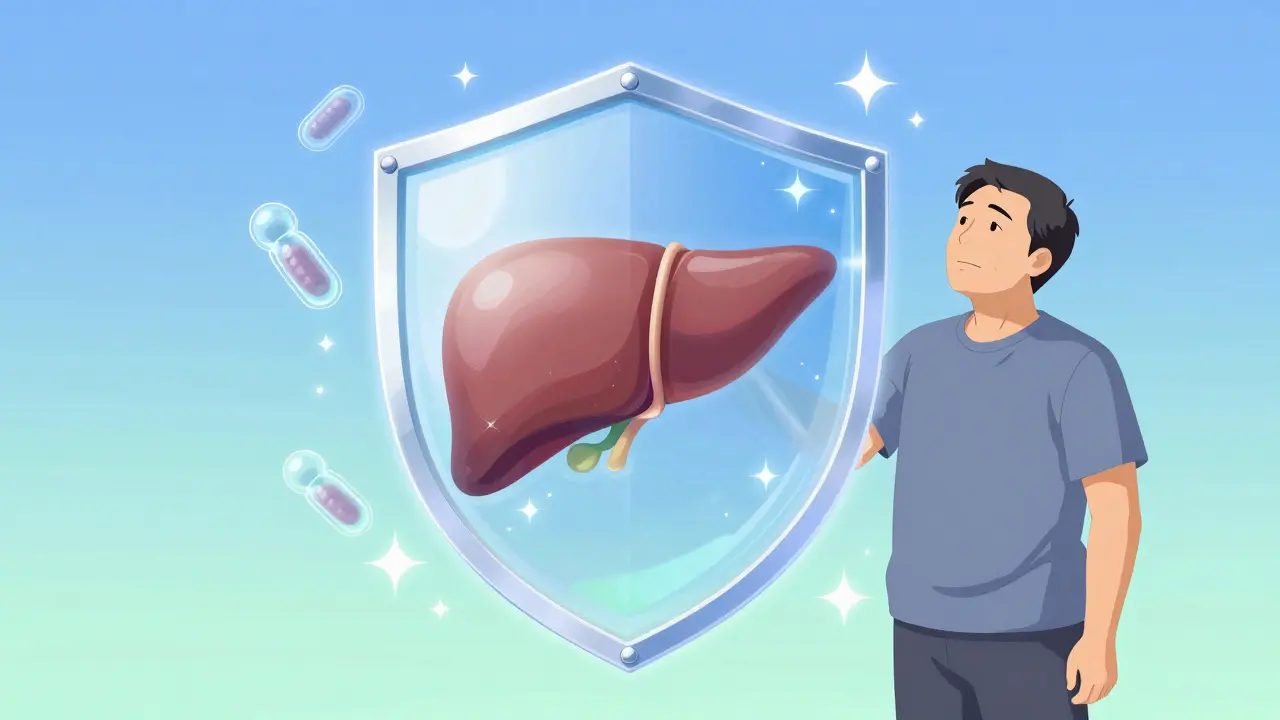
Why Your Age Matters
Your immune system changes as you age. In young adults, the seroconversion rate (the rate at which your body develops antibodies) is around 95%. Once you cross 40, that number can drop to 75%. This is why doctors are now pushing for universal adult vaccination for everyone aged 19-59, regardless of whether they think they are "at risk." If you're over 40, you might want to ask your provider about the 2-dose Heplisav-B, as it often performs better in older populations.
Can I get both Hep A and Hep B vaccines at the same time?
Yes, you can receive separate Hep A and Hep B vaccines during the same visit, usually in different arms. Alternatively, you can use the Twinrix combination vaccine, which puts both into a single shot.
What happens if I miss a dose in the series?
You generally do not need to restart the entire series from the beginning. You should get the missed dose as soon as possible and then resume the schedule. However, always check with your provider to ensure the timing still aligns with the specific vaccine brand's requirements.
Is the birth dose of Hep B really necessary?
Absolutely. The birth dose is critical for preventing the transmission of the virus from mother to child during birth, which is one of the primary ways chronic Hepatitis B is established. It significantly lowers the risk of lifelong liver disease.
How do I know if the vaccine actually worked?
The most reliable way is through a blood test called a titer test, which measures the level of antibodies in your system. If the levels are high enough, you are considered seroprotected.
Are there any risks with the 2-dose Heplisav-B vaccine?
While highly effective, Heplisav-B has a black box warning regarding potential cardiac risks. Your doctor will evaluate your heart health and medical history to determine if this specific brand is the safest choice for you.
Next Steps for Your Protection
If you're unsure of your status, start by checking your old medical records or asking your doctor for a hepatitis panel blood test. For those planning international travel, visit a travel clinic at least two months before departure to allow enough time for the Twinrix or standard series to take effect.
If you've already started a series but stopped halfway, don't panic. Schedule a "catch-up" visit. Modern medical guidelines allow for completing the series even after long gaps, ensuring you get the liver protection you need without starting from square one.








Lynn Smith April 22, 2026
This is actually such a helpful breakdown! I always forget the difference between the A and B schedules, and having it all in one place is just wonderful. Thanks for putting this together!
Olushola Adedoyin April 23, 2026
Wake up people!!! They want us on these schedules so they can track our every move with the fancy juice they put in the needle! It's a big trap, a total scam to keep our brains fuzzy and our pockets empty while they play god with our livers! Just a giant game of puppet master and we are the strings!
Tanya Rogers April 24, 2026
The pedestrian nature of this discourse is truly exhausting. One must wonder why the masses are so enamored with the mere logistics of immunization while ignoring the ontological dread of biological fragility. It is a quaint little guide, if one enjoys being spoon-fed basic medical data without any intellectual rigor.
Wendy Ajurín April 25, 2026
It is imperative to note that for patients with chronic kidney disease or those on immunosuppressants, the standard response may be suboptimal. In these clinical scenarios, a post-vaccination titer test is not merely recommended but essential to verify seroconversion and ensure that the patient has achieved the necessary antibody thresholds for protection.
Tokunbo Elegbe April 26, 2026
I really appreciate the focus on the birth dose... it is so vital for the next generation!!! Please, everyone, double-check your records and make sure your little ones are fully covered!!!!
Shalika Jain April 27, 2026
Imagine thinking a simple table can solve the systemic failure of healthcare access. It's almost cute how this post assumes everyone has a doctor who actually cares about the brand of vaccine they use. Please, spare me the optimism when the reality is a chaotic mess of missed appointments and insurance denials.
Brigid Prosser April 28, 2026
Get your shots, folks! Don't let a calendar glitch ruin your liver. Just smash those reminders into your phone and get it over with. No reason to gamble with your health when the fix is this straightforward.
Don Drapper April 28, 2026
The statistical failure rate of 41% in adult completion is an absolute catastrophe of human negligence. It is a staggering indictment of the modern adult's inability to perform basic temporal management. The inefficiency is practically theatrical in its magnitude; we are witnessing the slow-motion collapse of preventative medicine due to sheer apathy!
Cynthia Didion April 29, 2026
American medicine is the gold standard. Period.
Truman Media April 30, 2026
What a wonderful way to spread knowledge for the good of all humanity! It brings me great joy to see such clarity in health guidance. May we all walk the path of wellness together in peace and harmony. :) :)
Aman Tomar April 30, 2026
I feel so bad for the people who missed these doses back in the day... truly heartbreaking. I just wonder if the new 2-dose one is actually better for every1 or just specific groups? The timing seems so confusing when you actually try to book it.
William Young May 1, 2026
It's a good idea to keep a digital folder of all your vaccination records. It makes things much easier when you're traveling or switching providers.