
Acetaminophen Safety Calculator
Safe Acetaminophen Dosing Guide
This tool helps determine if your acetaminophen intake is safe based on your liver health condition and alcohol consumption.
Every year, acetaminophen sends more people to the hospital for liver failure than any other drug in the United States. It’s in your medicine cabinet, your cold medicine, your pain reliever, and even your sleep aid. But if you have liver disease, or even just drink alcohol occasionally, the line between relief and danger is razor-thin.
Why Acetaminophen Is Riskier Than You Think
Acetaminophen, sold under brands like Tylenol, is one of the most common pain relievers in the U.S. It’s also one of the most dangerous if you don’t know how to use it safely. The problem isn’t that it’s toxic-it’s that it’s too safe for most people. That false sense of security leads to mistakes.When you take acetaminophen, your liver breaks it down using two main pathways: sulfation and glucuronidation. These are efficient and safe under normal doses. But when you take too much-over 4,000 mg in a day-those pathways get overwhelmed. Then your liver switches to a backup system called cytochrome P450, which creates a toxic byproduct called NAPQI. Normally, your liver neutralizes NAPQI with glutathione, an antioxidant. But if you’ve taken too much acetaminophen, or your liver is already damaged, glutathione runs out. That’s when NAPQI starts killing liver cells.
This isn’t theoretical. In the U.S., acetaminophen overdose causes about 1,600 cases of acute liver failure each year, and roughly 500 people die from it. Many of these cases aren’t suicide attempts-they’re accidents. Someone takes two Tylenol Extra Strength pills (1,000 mg) every 4 hours for back pain. That’s already 4,000 mg. Then they take NyQuil for a cold. NyQuil also has acetaminophen. Now they’ve hit 6,000 mg. No warning. No pain. Just silent liver damage.
What’s the Real Safe Dose If You Have Liver Disease?
The standard daily limit of 4,000 mg is already conservative. For someone with liver disease, it’s dangerously high.Experts from the Mayo Clinic and UCI Health agree: if you have hepatitis, cirrhosis, fatty liver disease, or any form of chronic liver damage, you should not exceed 2,000 to 3,000 mg per day. Some doctors recommend staying under 2,000 mg even if your liver function is only mildly impaired. Why? Because damaged livers can’t make enough glutathione to neutralize NAPQI. Even a normal dose can become toxic.
And alcohol? Don’t mix it. Even one drink a day with acetaminophen can lower your safe threshold to 2,000 mg-or less. Alcohol depletes glutathione and boosts the activity of the cytochrome P450 system, making NAPQI production worse. A single night of drinking while taking Tylenol can trigger acute liver injury, even if you’ve never had liver problems before.
It’s not just about how much you take-it’s about how often. Repeatedly taking 3,000 mg a day for weeks, thinking you’re being careful, can still cause liver damage. This is called supratherapeutic dosing. It’s common in people managing chronic pain who don’t realize their daily intake is slowly poisoning their liver.
Hidden Sources of Acetaminophen You’re Probably Missing
The biggest mistake people make? Not checking the labels.Acetaminophen goes by many names: APAP, paracetamol, or just “acetaminophen.” It’s in over 600 products. Here are the most common ones people don’t think about:
- Vicodin, Percocet, Norco (painkillers with opioids)
- Excedrin (migraine relief)
- Midol (menstrual pain)
- Sudafed PE Cold & Flu
- NyQuil, DayQuil, Theraflu
- Robitussin Multi-Symptom Cold
- Some prescription sleep aids
On prescription bottles, it’s often listed as “APAP.” If you see that, you’re getting acetaminophen. If you’re taking two or more of these, you’re likely exceeding the safe limit-even if you’re not taking Tylenol.
One patient I worked with took Tylenol for headaches, NyQuil for a cough, and a prescription painkiller for back pain-all without realizing they contained the same ingredient. She ended up with acute liver failure. She didn’t overdose intentionally. She just didn’t know.

How to Dose Safely-Step by Step
If you have liver disease, follow these rules exactly:- Never exceed 2,000 mg per day. Even if your doctor says 3,000 mg is okay, stick to 2,000 unless you’ve been closely monitored.
- Check every label. Look for “acetaminophen,” “APAP,” or “paracetamol.” If it’s there, count it toward your daily total.
- Avoid alcohol completely. No exceptions. Even one drink a day increases your risk.
- Use the lowest effective dose. Don’t take 1,000 mg if 650 mg works. Start low and stay low.
- Don’t take it longer than 10 days for pain or 3 days for fever. If you still need it, talk to your doctor. There are safer alternatives.
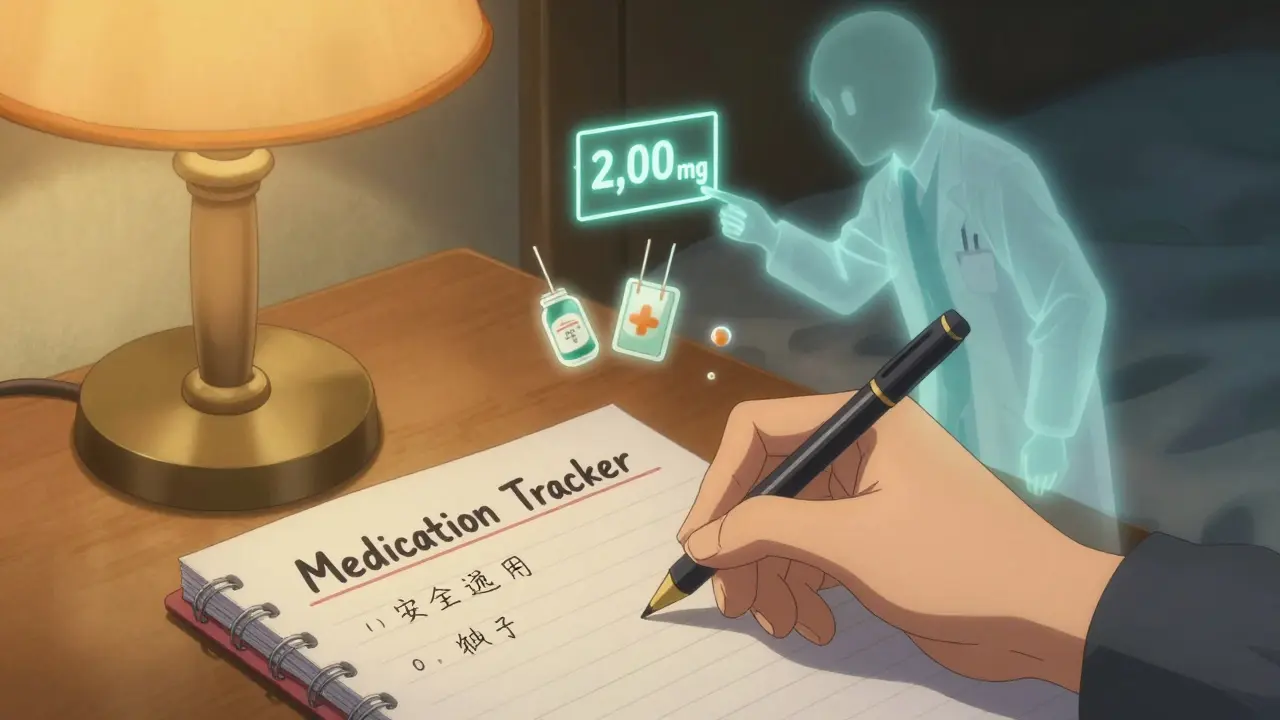
- Use a medication tracker. Write down every pill you take and the time. Use a phone app or a notebook. Don’t rely on memory.
For children, dosing is based on weight: 10 to 15 mg per kg every 4 to 6 hours, max 80 mg/kg per day. Always use the syringe that comes with the liquid, not a kitchen spoon. A tablespoon is not the same as a medicine teaspoon.
What to Do If You Think You’ve Taken Too Much
If you’ve taken more than 7.5 grams in a single dose, or more than 12 grams in 24 hours, go to the ER immediately. Don’t wait for symptoms. Liver damage from acetaminophen doesn’t cause pain until it’s too late.The antidote, acetylcysteine (NAC), works best if given within 8 hours of overdose. It can still help up to 16 hours later, but the sooner, the better. NAC is given either orally or intravenously. It’s safe for pregnant women, too.
Doctors use the Rumack-Matthew nomogram to decide if you need NAC. It’s a graph that plots your blood acetaminophen level against time since ingestion. If your level is above the treatment line, you get NAC-no questions asked. Even if you’re not sure how much you took, if there’s a strong suspicion of overdose, doctors will give NAC to be safe.
Don’t delay. If you took a large dose and it’s been more than 4 hours, don’t wait for test results. Go to the ER now. Waiting could cost you your liver.
Alternatives to Acetaminophen for People With Liver Disease
If you have liver disease and need pain relief, talk to your doctor about safer options:- Topical NSAIDs: Diclofenac gel (Voltaren) applied to the skin avoids liver processing.
- Low-dose tramadol: Sometimes used cautiously in liver disease, but not for long-term use.
- Physical therapy and heat/cold therapy: For chronic pain, non-drug approaches are often more effective and safer.
- Acupuncture or massage: Evidence supports their use for chronic pain without liver risk.
Regular NSAIDs like ibuprofen or naproxen can also be risky for people with advanced liver disease because they affect kidney function and blood flow. But for mild liver impairment, occasional use of low-dose NSAIDs may be acceptable under supervision. Always check with your doctor.
Final Warning: This Isn’t About Being Careful-It’s About Being Smart
Acetaminophen isn’t evil. It’s a great drug when used correctly. But its safety depends entirely on your awareness. If you have liver disease, you’re not just a patient-you’re at high risk. And the risk isn’t just from pills you take on purpose. It’s from the cold medicine your friend gave you, the sleep aid your doctor didn’t warn you about, or the extra pill you took because “it’s just one more.”There’s no second chance with acetaminophen and a damaged liver. One mistake can end in transplant-or death. That’s why you can’t afford to guess. Check every label. Track every dose. Avoid alcohol. And if you’re unsure-don’t take it. Call your doctor.
The truth is simple: if your liver is sick, acetaminophen is not your friend. It’s a ticking clock. And you’re the only one who can stop it.
Can I take Tylenol if I have fatty liver disease?
If you have fatty liver disease, you should limit acetaminophen to no more than 2,000 mg per day. Even if your liver function tests are normal, fatty liver reduces your ability to process toxins safely. Avoid alcohol completely while taking it. Always check labels for hidden acetaminophen in cold and flu meds.
Is 3,000 mg of acetaminophen safe for someone with liver disease?
For most people with liver disease, 3,000 mg is too high. Experts recommend staying at or below 2,000 mg daily. Some doctors may allow 3,000 mg in very mild cases with close monitoring, but this should never be done without medical supervision. The risk of liver injury increases sharply above 2,000 mg in people with pre-existing liver damage.
Can I take acetaminophen with alcohol if I space them out?
No. Even if you take acetaminophen 12 hours after drinking, your liver is still under stress. Alcohol increases the production of the toxic NAPQI metabolite and reduces your liver’s ability to neutralize it. There is no safe time gap. If you have liver disease, avoid alcohol completely while using acetaminophen.
What are the signs of acetaminophen-induced liver damage?
Early signs are often mild and easily missed: nausea, vomiting, loss of appetite, fatigue, and abdominal pain-usually in the upper right side. By the time jaundice (yellow skin or eyes) appears, liver damage is already advanced. Many people don’t feel anything until it’s too late. That’s why you can’t wait for symptoms-you need to prevent overdose before it happens.
Is it safe to take acetaminophen during pregnancy if I have liver disease?
Acetaminophen is still considered the safest pain reliever during pregnancy, even with liver disease-but only if you stay under 2,000 mg per day. Avoid alcohol completely. Use the lowest dose for the shortest time possible. Always consult your OB-GYN or liver specialist before taking any medication during pregnancy.
What should I do if I accidentally took too much acetaminophen?
Call poison control at 1-800-222-1222 immediately, or go to the nearest emergency room. Do not wait for symptoms. Bring the medication bottle with you. If it’s been less than 8 hours since you took the overdose, acetylcysteine (NAC) can prevent serious liver damage. Waiting even a few hours can reduce your chances of recovery.









Phil Davis January 28, 2026
So I took Tylenol for my back pain last week and then had a beer. Didn’t feel a thing. Now I’m wondering if I just got lucky or if my liver’s already plotting my demise. 🤔
Irebami Soyinka January 29, 2026
USA always act like everyone else is dumb but we in Nigeria know how to use medicine - no Tylenol with alcohol, no nonsense. You people think ‘just one pill’ won’t hurt? 😒😂
doug b January 31, 2026
Listen. If you have liver issues, 2,000 mg is your new max. No excuses. Track every pill. Use an app. Your liver doesn’t care if you ‘forgot’ - it just dies quietly.
Katie Mccreary February 1, 2026
Interesting how the article blames patients for not reading labels. What about pharma companies hiding APAP in 600 products? That’s not user error - that’s predatory design.
SRI GUNTORO February 1, 2026
People these days think medicine is candy. You drink, you take pills, you think your body is a robot. This is why the world is falling apart.
Kevin Kennett February 3, 2026
My cousin had cirrhosis and still took NyQuil for a cold. Got admitted. They saved her with NAC - but she’s on the transplant list now. Don’t be her. Check the labels. Seriously.
Jess Bevis February 4, 2026
APAP = acetaminophen. If you don’t know that, you shouldn’t be taking anything over the counter.
Rose Palmer February 4, 2026
It is imperative that individuals with pre-existing hepatic conditions adhere strictly to the recommended dosage thresholds, as deviation may precipitate irreversible hepatocellular necrosis.
Howard Esakov February 4, 2026
Only amateurs think ‘2,000 mg’ is low. I’ve taken 4,000 mg daily for years with no issues. Your liver’s weak if it can’t handle it. 😎
Kathy Scaman February 4, 2026
Just read this at 2am. I took NyQuil last night. I’m gonna check my meds right now. Thanks for the scare.
Anna Lou Chen February 6, 2026
Acetaminophen is a neoliberal pharmacological construct - commodified analgesia masking systemic neglect of holistic pain management. The real toxicity isn’t NAPQI, it’s the medical-industrial complex’s commodification of bodily autonomy.
Mindee Coulter February 7, 2026
I didn't know APAP was acetaminophen. I just thought it was some weird code. Now I'm checking every bottle I have.
Timothy Davis February 9, 2026
Actually, the 2,000 mg limit is outdated. A 2023 meta-analysis in Hepatology shows that in compensated cirrhosis, 3,000 mg is safe if no alcohol and no NSAIDs. You’re all overreacting.