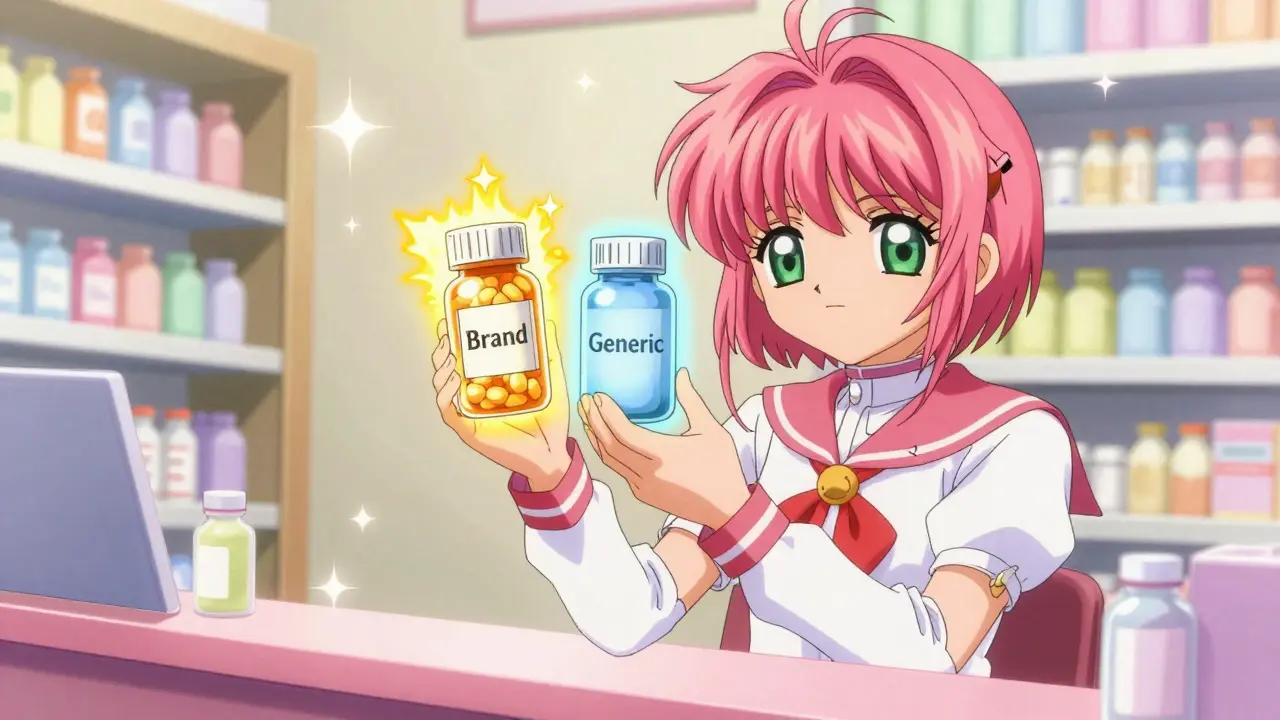
Imagine you have a prescription for a common medication. You walk into the pharmacy, and the cashier tells you the brand-name version costs $120, but the generic is just $4. Most of us would grab the generic without thinking twice. But what if that $4 price tag wasn't actually saving you money? What if the insurance company was pocketing the difference while making it look like they were helping your wallet?
This is the hidden reality behind insurance benefit design. Health plans don't just randomly decide which drugs are cheap and which are expensive. They engineer complex systems to steer you toward generic medications. The goal is simple: cut costs. But the methods involve tiered formularies, opaque pricing models, and Pharmacy Benefit Managers (PBMs) that act as gatekeepers between you and your medicine.
The Engine Behind Your Prescription Bill
To understand why generics are so central to your insurance plan, we first need to look at who actually handles your prescriptions. It’s rarely your health insurance company directly. Instead, they outsource this job to Pharmacy Benefit Managers, or PBMs.
PBMs are the middlemen that negotiate drug prices with manufacturers and pharmacies. In 2023, three major PBMs-CVS Caremark, OptumRx, and Express Scripts-processed 83% of all prescription transactions in the United States. Their primary tool for cost control is the formulary. A formulary is essentially a list of approved drugs, organized into tiers based on cost.
Here is how the typical tier system works:
- Tier 1: Preferred generic drugs. These usually have the lowest copay, often ranging from $0 to $10.
- Tier 2: Non-preferred generics or preferred brand-name drugs. Copays here might jump to $25-$50.
- Tier 3: Non-preferred brand-name drugs. These can cost $60-$100 or more per prescription.
- Tier 4: Specialty drugs. These often use coinsurance, where you pay a percentage of the total cost.
By placing generics in Tier 1, insurers create a massive financial incentive for you to choose them. According to data from the Kaiser Family Foundation, this structure has been highly effective. In 2022, PBMs processed 6.8 billion generic prescription claims, representing 91.5% of all prescriptions dispensed. Despite this huge volume, generic drugs accounted for only 22% of total drug spending. That is a significant efficiency gain for the system.
How Much Do Generics Actually Save?
The argument for generic-first benefit design is rooted in substantial savings. Generic drugs typically cost 80-85% less than their brand-name counterparts because manufacturers don’t have to repeat expensive clinical trials; they only need to prove bioequivalence to the FDA.
The scale of these savings is enormous. An analysis by the IQVIA Institute for Human Data Science found that generic drugs saved the U.S. healthcare system approximately $3.7 trillion over the decade from 2013 to 2022. That breaks down to annual savings exceeding $370 billion. For employers and government programs like Medicare and Medicaid, these numbers justify the aggressive push for generic utilization.
| Metric | Generic Drugs | Brand-Name Drugs |
|---|---|---|
| Average Cost Reduction | 80-85% | Baseline (Higher) |
| Prescription Volume Share (2022) | 91.5% | 8.5% |
| Total Spending Share (2022) | 22% | 78% |
| Typical Copay Range | $0 - $10 | $25 - $100+ |
However, "system savings" does not always equal "patient savings." This is where the benefit design gets complicated. While the insurer saves billions, patients often wonder if they are seeing the full benefit of those lower wholesale prices.
The Hidden Costs: Spread Pricing and Clawbacks
If generics are so cheap, why do some patients still feel like they are paying too much? The answer lies in spread pricing and copay clawbacks.
Spread pricing occurs when a PBM charges an employer or health plan more for a drug than what the pharmacy actually paid for it. The PBM keeps the difference as profit. A study from the USC Schaeffer Center found that patients could be overpaying by $10-$15 per prescription due to these opaque practices. Even though the generic drug itself is cheap, the markup added by intermediaries can inflate the final cost.
Copay clawbacks happen when a patient pays a fixed copay (say, $10), but the actual cost of the drug to the insurer is lower (say, $5). In many contracts, the insurer is allowed to keep that extra $5 rather than passing it back to the patient. This means the low copay you see isn't always reflecting the true market value of the drug.
These practices have drawn criticism. Dr. Erin Trish from the USC Schaeffer Center testified before Congress in June 2023, stating that "the current system funnels savings from low-cost generics into intermediaries' pockets rather than patients." This tension between systemic cost containment and individual affordability is the core conflict in modern insurance benefit design.

Steering Behavior: Step Therapy and Prior Authorization
Lowering copays is just one part of the strategy. Insurers also use administrative hurdles to force generic usage. Two of the most common tools are step therapy and prior authorization.
Step therapy requires patients to try a lower-cost generic drug first before the insurance will cover a more expensive brand-name alternative. If the generic doesn't work, the patient must go through an appeal process to get coverage for the brand name. As of 2023, 92% of Medicare Part D plans used step therapy protocols.
Prior authorization requires doctors to submit additional paperwork proving medical necessity before a specific drug is covered. This creates friction. A survey found that 22% of Medicare beneficiaries experienced issues obtaining prior authorization for brand-name drugs when generics were available, with 14% reporting that their doctor had to submit multiple appeals.
While these measures effectively reduce brand-name utilization, they can lead to frustration. Some physicians report that patients experience adverse effects after being switched to generics through mandatory substitution programs. A Medscape poll in 2023 found that 31% of physicians reported such cases. The benefit design prioritizes cost efficiency, sometimes at the expense of convenience or perceived continuity of care.
Different Programs, Different Rules
Not all insurance plans handle generics the same way. The approach varies significantly depending on whether you are covered by commercial insurance, Medicare, or Medicaid.
Commercial Insurance: Many employers now use High-Deductible Health Plans (HDHPs) paired with Health Savings Accounts (HSAs). In these plans, generic copays are often lower even before the deductible is met. Self-insured employers have been particularly aggressive, with studies showing savings of 9-15% by substituting therapeutically equivalent lower-cost options.
Medicare Part D: Medicare covers over 50 million beneficiaries. Its benefit design includes a standardized formulary structure. In 2025, the Inflation Reduction Act implemented an out-of-pocket cap of $2,000 for seniors, fundamentally changing the incentive structure. Seniors no longer face catastrophic drug costs, which may slightly reduce the pressure to choose generics solely for survival-level affordability, though generics remain the cheapest option.
Medicaid: Medicaid programs operate under federal Upper Payment Limits (UPL), capping reimbursement for generics at 250% of the average manufacturer price. Medicaid achieves high generic dispensing rates (89.3% in 2022), resulting in estimated annual savings of $1.2 billion. Looking ahead, the CMS GENEROUS Model is set to launch in 2026, aiming to negotiate lower prices directly with manufacturers, potentially reducing Medicaid drug spending by $40 billion over ten years.

Alternatives to Traditional Insurance Models
As dissatisfaction with PBM opacity grows, alternative models are emerging. The most notable is the direct-to-consumer pharmacy model, exemplified by the Mark Cuban Cost Plus Drug Company (MCCPDC).
Launched in 2022, MCCPDC offers transparent cost-plus pricing, adding a fixed 15% markup to the wholesale cost. An economic evaluation found that patients could save on 11.8% of generic drug prescriptions with a median savings of $4.96 per prescription when purchasing directly rather than through insurance. However, this benefit was concentrated among uninsured patients. For those with Medicaid or robust commercial coverage, the insurance copay was often already lower than the cash price at MCCPDC.
This highlights a key insight: insurance benefit design works best when the negotiated rates are truly low. When PBM markups inflate those rates, alternatives become viable. The rise of these models puts pressure on traditional insurers to increase transparency.
What Comes Next?
The landscape of insurance benefit design is shifting toward greater transparency. The Department of Labor mandated enhanced transparency in Explanation of Benefits (EOB) statements starting January 1, 2025. Patients will soon see detailed breakdowns of generic drug pricing components, including rebates and spread pricing.
Additionally, the Inflation Reduction Act's drug price negotiation provisions, beginning in 2026 for Part D drugs, will allow Medicare to negotiate prices for high-cost medications. The Congressional Budget Office estimates this will generate $98.5 billion in savings over ten years. While these negotiations primarily target brand-name drugs, they signal a broader regulatory push to control overall pharmaceutical spending.
For consumers, the takeaway is clear. Generic drugs remain the cornerstone of affordable healthcare, saving the system hundreds of billions annually. However, understanding your specific plan's formulary, checking for hidden fees, and knowing your rights regarding step therapy and prior authorization is essential. The system is designed to cut costs, but you have the power to ensure those cuts translate into real savings for your wallet.
Why do insurance plans prefer generic drugs?
Insurance plans prefer generic drugs because they cost 80-85% less than brand-name versions. This massive price difference allows insurers to manage billions in expenditures. In 2022, generics represented 91.5% of prescriptions but only 22% of spending, providing significant cost efficiency for health plans and employers.
What is spread pricing in pharmacy benefits?
Spread pricing occurs when a Pharmacy Benefit Manager (PBM) charges an employer or insurer more for a drug than the pharmacy actually paid for it. The PBM keeps the difference as profit. Studies suggest this practice can cause patients to overpay by $10-$15 per prescription, despite the low cost of generic drugs.
How do formulary tiers affect my copay?
Formularies are lists of approved drugs divided into tiers. Tier 1 usually contains preferred generics with the lowest copays ($0-$10). Tier 2 and 3 include brand-name drugs with higher copays ($25-$100+). By placing generics in the lowest tier, insurers financially incentivize patients to choose cheaper alternatives.
What is step therapy?
Step therapy is a protocol requiring patients to try a lower-cost generic drug first before insurance will cover a more expensive brand-name drug. If the generic fails, patients must appeal for coverage. As of 2023, 92% of Medicare Part D plans utilized step therapy to control costs.
Are generic drugs as effective as brand-name drugs?
Yes, generic drugs must demonstrate bioequivalence to the FDA, meaning they have the same active ingredients, strength, and dosage as brand-name drugs. While 31% of physicians reported patients experiencing adverse effects during mandatory switches, these are often related to inactive ingredients or psychological factors rather than efficacy differences.
How does the Inflation Reduction Act impact generic drug costs?
The Inflation Reduction Act introduced an out-of-pocket cap of $2,000 for Medicare Part D beneficiaries starting in 2025. While this primarily affects brand-name drug exposure, it changes the incentive structure for seniors. Additionally, drug price negotiations starting in 2026 aim to reduce overall pharmaceutical spending, indirectly supporting the sustainability of generic-focused benefit designs.


victoria catharinaa May 21, 2026
you are totally right about this being unfair and i hate how they treat us like numbers instead of people
its disgusting how they profit off our sickness
Glen Speck May 23, 2026
the system is designed to extract value not provide care
we must understand the mechanics to dismantle them
Sam Mackellar May 25, 2026
It is quite remarkable how the economic incentives have shifted away from patient outcomes toward administrative efficiency. The data presented regarding the $3.7 trillion in savings is undeniably impressive, yet one must question the distribution of those savings. When intermediaries capture the majority of the cost reduction through spread pricing and clawbacks, the ethical foundation of such benefit designs becomes questionable. We should advocate for transparency measures that ensure the financial benefits are realized by the consumers rather than the corporate entities facilitating the transactions.
Justina Ingram May 26, 2026
ugh i am so tired of this bs :( why do we have to fight for everything?? its not fair that they get rich while we suffer over here trying to pay bills lol
step therapy is the worst thing ever invented like seriously who thought that was a good idea ???
amit kumar May 27, 2026
Great explanation! 👍 I think this is very important information for everyone to know. In India we also face similar issues with drug pricing but maybe not exactly the same way. It is good to see that there are new laws coming up like the Inflation Reduction Act 🇺🇸 Hope it helps people save more money 💰
Lori Wildrick May 28, 2026
I appreciate this detailed breakdown. It is often easy to overlook the complexity of pharmacy benefit managers until we experience the friction ourselves. I have noticed that many of my friends are switching to cash-pay models for certain generic medications because the math simply does not add up with their insurance copays anymore. It feels empowering to have the knowledge to make those choices rather than blindly following the formulary tiers. Let us continue to support each other in navigating these healthcare challenges together.
Emma Olliff May 30, 2026
The sheer audacity of these corporations to claim they are saving you money while simultaneously enriching themselves through opaque accounting practices is truly insulting to the intelligence of the average citizen. You are expected to accept the generic without question because you are too poor or too ignorant to research the wholesale costs yourself. This is not healthcare; this is exploitation disguised as benevolence. The fact that physicians report adverse effects from mandatory switches further proves that profit margins are prioritized over human well-being. We need to demand radical transparency and hold these PBMs accountable for their greed.
Diana Wiechecka May 31, 2026
Interesting read 🤔 I had no idea about the spread pricing part. Makes me want to check my own statements more closely next time I go to the pharmacy.
Kathryn Byrd June 1, 2026
The distinction between system savings and patient savings is critical. While the aggregate data shows significant efficiency gains for the healthcare ecosystem, the individual experience is often defined by frustration and unexpected costs. The reliance on step therapy and prior authorization creates barriers that can delay necessary treatment. It is concerning that the mechanisms designed to lower overall spending may inadvertently increase the burden on patients and providers alike. Further analysis of the long-term health outcomes associated with these policies would be beneficial.
Anthony Red June 3, 2026
Hey everyone, just wanted to chime in here. I work in HR and I see this stuff firsthand when we are negotiating with carriers. The PBM contracts are incredibly dense and full of loopholes. Employers are under huge pressure to keep premiums down so they agree to these tiered structures. But yeah, the transparency issue is real. We are trying to push for clearer EOBs as mentioned in the post. It is a slow process but awareness is key. Keep asking questions!
Javier Arauz June 4, 2026
This is classic big pharma and big insurance collusion against the american people. They want to control what we take and how much we pay. We need to stop letting foreign companies dictate our prices. Buy american made drugs and support local pharmacies that are not owned by these giant conglomerates. The government needs to step in and break up these monopolies immediately before they destroy our economy completely.
Kris Wong June 6, 2026
You think this is bad? Wait until you realize that the PBMs are owned by the same banks that fund the political campaigns pushing these regulations. It is a closed loop. The spread pricing is just the tip of the iceberg. They are tracking your health data and selling it to advertisers and insurers to adjust your rates dynamically. Wake up sheeple! The generics are laced with microchips to track your compliance 😱🚫💊
Danny S June 7, 2026
The narrative presented here is misleading. The savings are real and necessary for the sustainability of the healthcare system. Without these measures, the cost of coverage would skyrocket, leaving millions without any insurance at all. The so-called 'hidden costs' are minimal compared to the billions saved. Those who complain about step therapy are simply unwilling to adhere to medical guidelines. The system works perfectly fine for those who follow the rules. Do not be fooled by conspiracy theories designed to undermine legitimate cost-control efforts. :)