Best Hair Loss Treatment: What Really Works
Seeing more scalp than you used to can feel unsettling, but you don’t have to accept it. The good news is there are several proven ways to slow hair loss and even grow new strands. In this guide we’ll break down the most effective treatments, from daily habits to medical options, so you can pick what fits your life and budget.
Everyday Habits That Support Hair Growth
Before you reach for a bottle, look at the basics. Your diet should include plenty of protein, iron, zinc, and vitamins A, C, D, and E. Foods like eggs, fish, nuts, and leafy greens give follicles the building blocks they need. Staying hydrated also helps keep the scalp healthy.
Stress is a hidden hair‑loss trigger. Even short bursts of stress can push hairs into the shedding phase. Simple stress‑relief tactics—daily walks, breathing exercises, or a short meditation—can keep cortisol levels in check and protect your strands.
Sleep matters, too. Aim for 7‑8 hours of quality rest each night. During deep sleep, the body releases growth hormones that support hair follicle repair. Poor sleep can delay that process and make thinning worse.
Medical and Non‑Medical Treatments to Consider
If lifestyle tweaks aren’t enough, there are several FDA‑approved options. Minoxidil (often sold as a foam or liquid) is a topical treatment that widens blood vessels in the scalp, delivering more nutrients to hair roots. Most people see noticeable thickening after three to six months of twice‑daily use.
Finasteride, a prescription pill taken once a day, blocks the hormone DHT that shrinks hair follicles. It’s mainly used by men, but some doctors prescribe it off‑label for women with advanced thinning. Discuss potential side effects, like reduced libido, with your doctor before starting.
Low‑level laser therapy (LLLT) devices, such as combs or helmets, use red light to stimulate cellular activity in the scalp. Clinical studies show modest improvements in hair density after regular use for several months. These tools are a good non‑drug alternative if you prefer a device over medication.
Natural extracts can complement other treatments. Saw palmetto, pumpkin seed oil, and rosemary oil have shown promise in small studies for reducing DHT or improving circulation. While they’re not a cure, adding a few drops to your shampoo or taking a daily supplement may give a small boost.
Finally, consider professional options like platelet‑rich plasma (PRP) injections or hair transplant surgery if you have significant thinning. Both are more expensive but can deliver dramatic, lasting results when performed by a qualified specialist.
The key is to start early and stay consistent. Most treatments need at least three months to show benefits, and stopping abruptly can reverse gains. Track your progress with photos every month and adjust your plan as needed.
Whether you lean on nutrition, stress management, over‑the‑counter products, or prescription meds, there’s a path to healthier hair. Pick the approach that matches your comfort level and give it the time it deserves—you might be surprised how quickly your hair can bounce back.
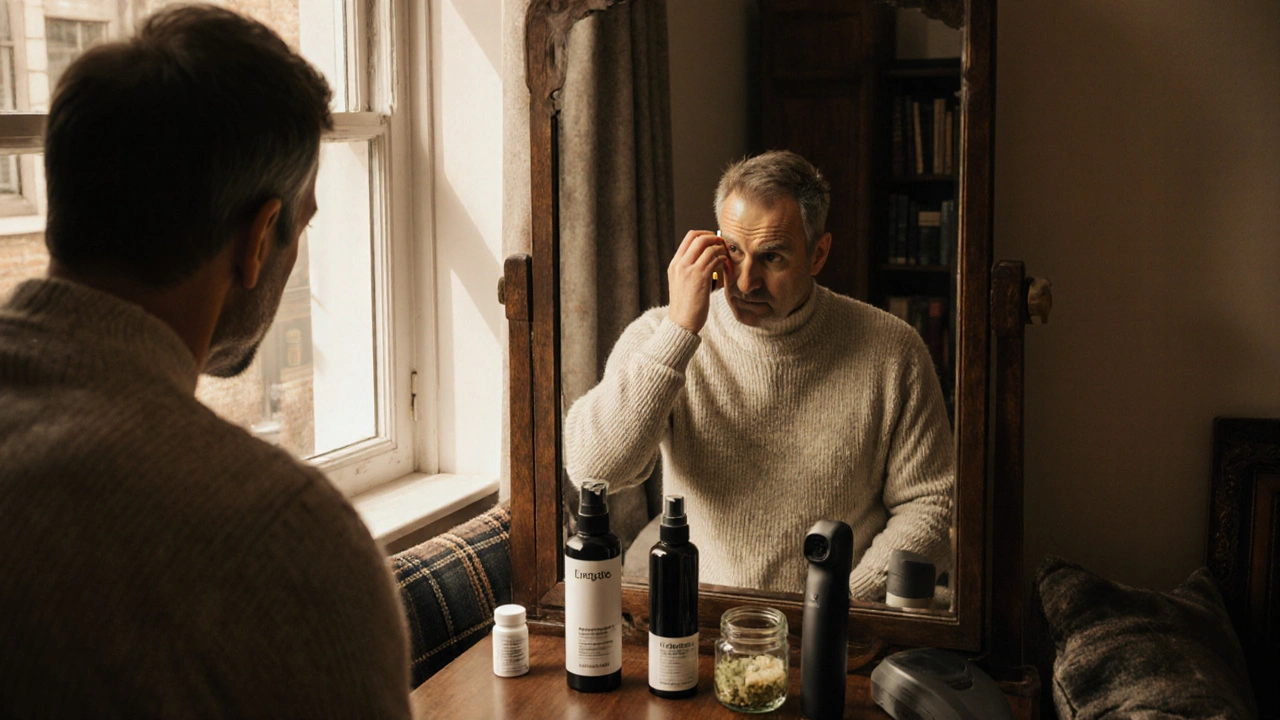
Proscare (Finasteride) vs Alternatives: Which Hair‑Loss Treatment Wins?
Compare Proscare (Finasteride) with top hair‑loss alternatives, covering efficacy, side‑effects, cost, and best‑fit scenarios for each treatment.