CDC Vaccination Guidelines: What You Need to Know About Immunization Rules
When it comes to staying healthy, CDC vaccination guidelines, official recommendations from the U.S. Centers for Disease Control and Prevention on when and how to use vaccines to prevent disease. These aren't suggestions—they're science-backed rules that keep communities safe. Every year, the CDC updates these guidelines based on new data, outbreaks, and vaccine effectiveness. They cover everything from newborns getting their first hepatitis B shot to adults needing a shingles vaccine after 50.
These guidelines don’t just list shots—they connect to real-world outcomes. For example, childhood vaccines, a set of immunizations given during infancy and early childhood to prevent diseases like measles, polio, and whooping cough have cut hospitalizations for those diseases by over 90%. Meanwhile, adult immunization, vaccines recommended for people over 19, including flu, Tdap, and pneumococcal shots are often overlooked, even though they prevent tens of thousands of deaths each year. And vaccine safety, the ongoing monitoring of side effects and long-term impacts of vaccines across millions of people is one of the most studied areas in public health—no credible evidence links vaccines to autism, chronic illness, or long-term harm.
What you won’t find in the CDC’s public summaries is how often people miss doses because they think they’re "too old," "already had it," or "it’s not necessary." That’s where confusion creeps in. The guidelines are clear: you don’t need to restart a series if you’re late—you just pick up where you left off. Pregnant women get Tdap in every pregnancy. Travelers need extra shots based on destination, not just age. And if you’re immunocompromised, your schedule might be different—but you still need protection.
The posts below dig into the details most people never see: how vaccine schedules change for people with chronic conditions, why some shots are combined and others aren’t, and how insurance or pharmacy policies can block access—even when the CDC says you need it. You’ll find real stories about missed shots, confusing paperwork, and how to talk to your doctor when the system doesn’t make sense. These aren’t theoretical discussions—they’re practical fixes for real people trying to stay healthy under a complicated system.
Shingles Vaccination: Who Should Get the Recombinant Zoster Vaccine
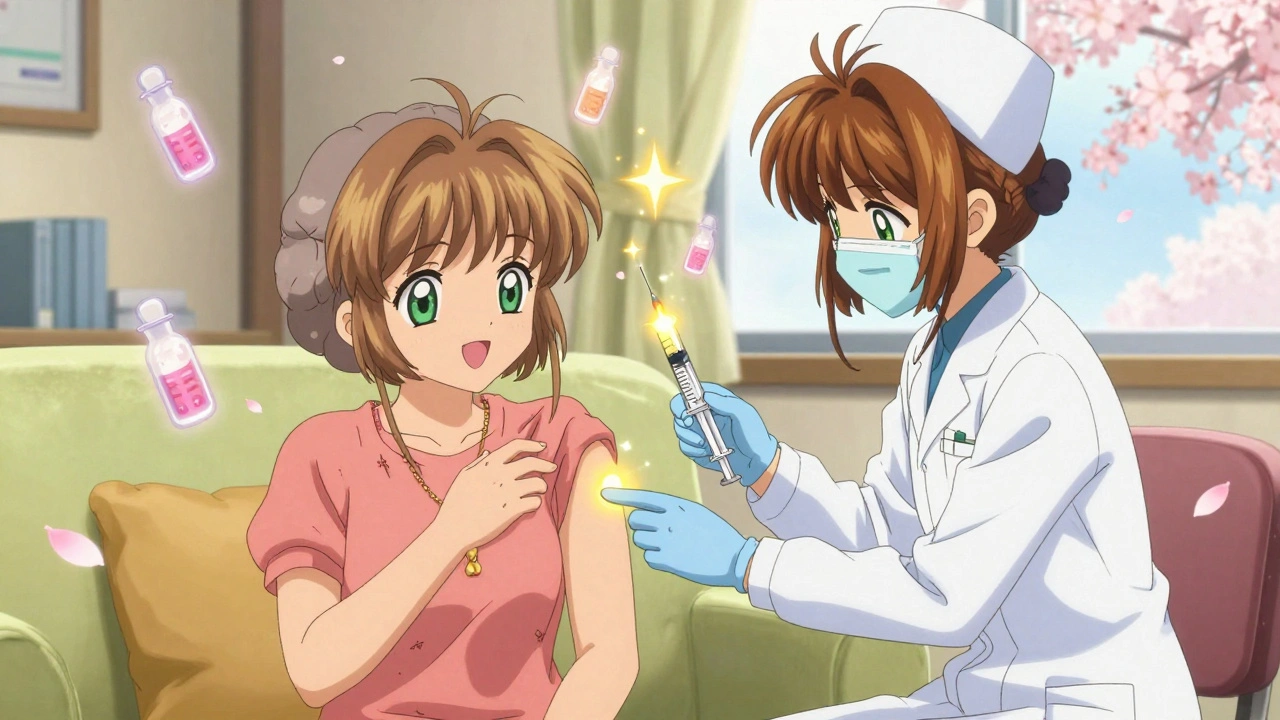
Shingrix, the recombinant zoster vaccine, is the only shingles vaccine recommended in the U.S. It's over 90% effective and safe for adults 50+ and immunocompromised individuals 19+. Get both doses to protect against shingles and long-term nerve pain.