What Is Diabetic Gastroparesis and Why It Matters
If you have diabetes and notice your digestion feels off, diabetic gastroparesis might be the cause. This condition happens when the stomach takes longer to empty its contents because nerve damage from diabetes slows stomach muscles. The result? You may feel bloated, nauseous, or full after just a few bites.
It might surprise you how common this issue is among people with diabetes, but it’s often overlooked. Left unmanaged, gastroparesis can make blood sugar control even trickier, because food digestion becomes unpredictable.
Spotting the Symptoms of Diabetic Gastroparesis
So, what signs should put you on alert? Common symptoms include feeling full quickly when eating, nausea, vomiting undigested food, abdominal bloating, and sometimes stomach pain. Some folks even experience heartburn or weight loss because they aren’t eating enough due to discomfort.
Because these symptoms overlap with other digestive problems, it’s important to see a healthcare professional if you notice them regularly. They might run simple tests, like measuring how fast your stomach empties, to confirm the diagnosis.
Simple Steps to Manage Your Digestion Better
Living with diabetic gastroparesis means adjusting some habits to make life easier. Start with your meals: eat smaller, more frequent portions instead of three large meals. Focus on softer, low-fiber foods because heavy, fatty, or fibrous meals can slow digestion even more.
Also, controlling your blood sugar tightly plays a huge role. High blood sugar can worsen nerve damage and delay stomach emptying further. Working closely with your doctor to keep glucose in check helps your stomach work smoother.
For some, medications that stimulate stomach muscle movement might be recommended. Sometimes doctors suggest dietary supplements or even feeding tubes if the condition is severe, but these are for tougher cases.
Finally, gentle physical activity post meals can speed up digestion. Taking a short walk after eating can wake up your stomach muscles and improve food movement.
Diabetic gastroparesis isn’t easy, but with the right know-how and care, you can reduce discomfort and live a fuller life. If you’re noticing symptoms or struggling to manage your diabetes because of stomach issues, don’t hesitate to reach out for help. Managing this condition starts with understanding it clearly and making smart daily choices.
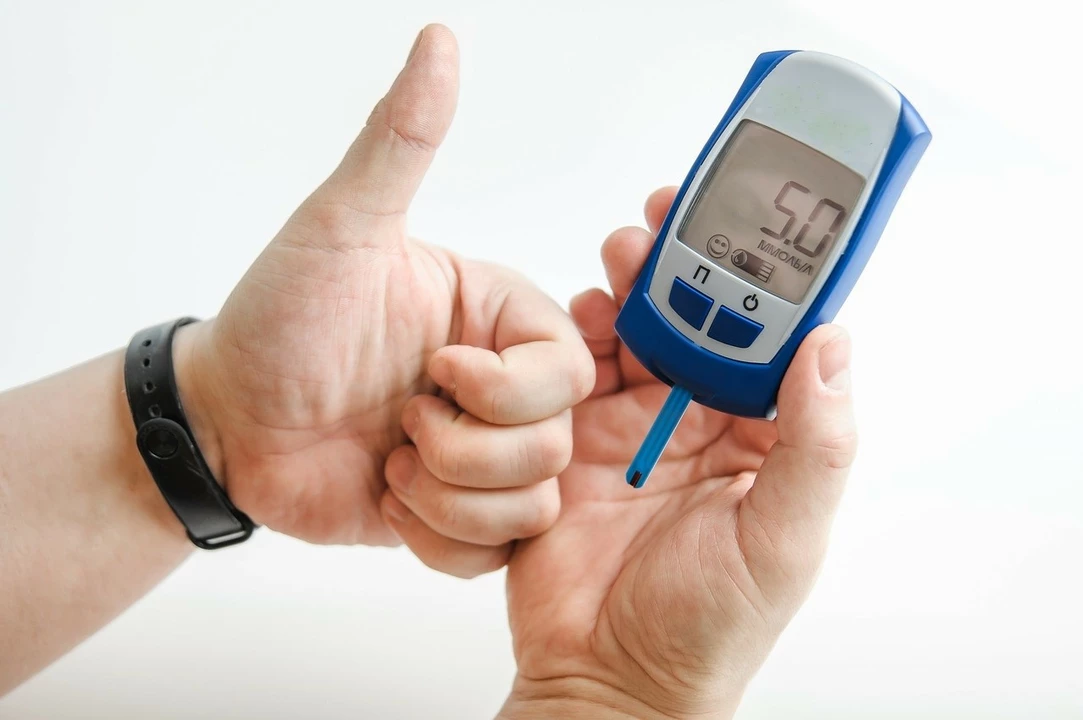
Diabetic Gastroparesis and Blood Sugar Control: Strategies for Success
As a diabetic, I've learned that managing gastroparesis is crucial for maintaining blood sugar control. To achieve success, it's essential to follow a consistent meal schedule, ensuring meals are smaller and more frequent. Additionally, incorporating easily digestible foods and monitoring your blood sugar levels can help alleviate symptoms. It's also important to stay in close communication with your healthcare team to adjust medications as needed. Lastly, regular exercise and stress management techniques can contribute to overall wellness and help manage gastroparesis effectively.