Drug Interaction: What You Need to Know About Medication Risks and Combos
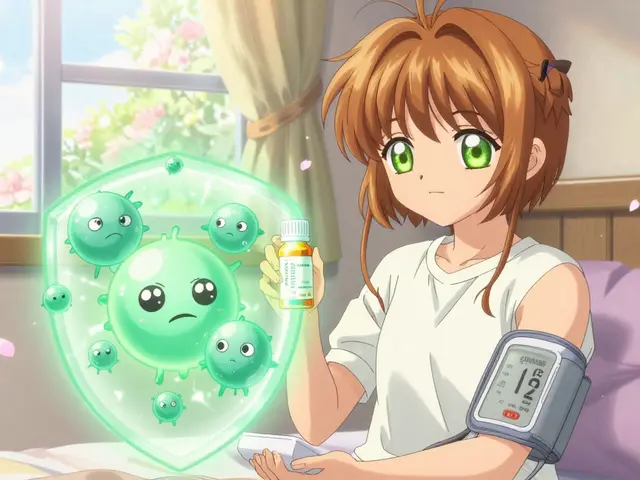
When you take more than one medicine, your body doesn’t always handle them the way you expect. A drug interaction, a reaction between two or more medications, or between a medication and a food, supplement, or health condition. Also known as medication clash, it can make drugs less effective, boost side effects, or even cause dangerous health events. This isn’t rare. One in four adults takes five or more meds. And if you’re also using herbal supplements, natural products people often assume are harmless like Ginkgo biloba or St. John’s wort, you’re adding another layer of risk. The truth? Many of these interactions fly under the radar—until something goes wrong.
Take blood thinners, drugs that prevent clots but can cause uncontrolled bleeding if mixed wrong. Ginkgo biloba, a popular supplement for memory, can double the bleeding risk when taken with warfarin or aspirin. That’s not a guess—it’s documented in clinical cases. Same with antibiotics, like doxycycline, which can lose power if taken with calcium-rich foods or antacids. Even something as simple as grapefruit juice can wreck how your body processes statins, leading to muscle damage or kidney failure. These aren’t edge cases. They’re everyday mistakes.
And it’s not just about pills. Your diet, your age, your liver function—all of it changes how drugs behave. A 70-year-old on three prescriptions might feel dizzy standing up because of orthostatic hypotension, a drop in blood pressure caused by meds interacting with each other. Someone taking JAK inhibitors for arthritis might not realize their increased risk of blood clots is worsened by smoking or birth control. The system isn’t built to warn you. You have to ask. You have to track. You have to know what’s in your medicine cabinet and why.
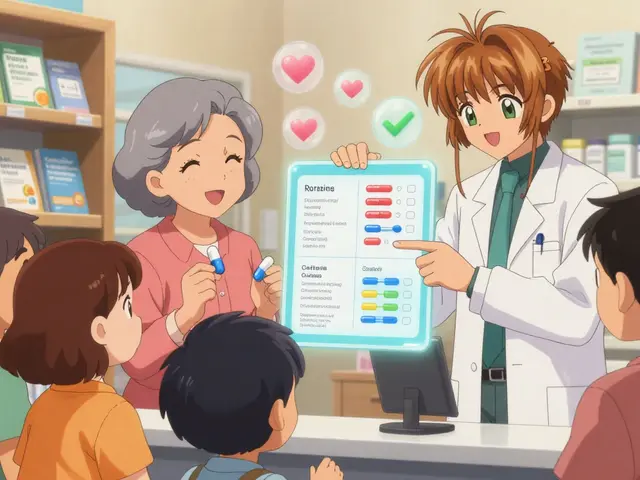
That’s why the posts here aren’t just lists of drugs. They’re real-world guides showing how drug interaction plays out in practice. You’ll find clear breakdowns of how common meds like atorvastatin, drospirenone, or azathioprine behave when mixed with other substances. You’ll learn why smart pill dispensers help not just with timing, but with avoiding dangerous combos. You’ll see how generic drug pricing and patent cliffs affect what’s available—and what’s risky to take. Whether you’re managing diabetes, heart disease, or just trying to stay healthy with supplements, this collection gives you the facts you won’t get from a pharmacy label.

ACE Inhibitors and Potassium-Sparing Diuretics: Understanding the Hyperkalemia Risk
Combining ACE inhibitors and potassium-sparing diuretics can raise potassium to dangerous levels, risking heart problems. Learn who's at risk, how to monitor it, and what to do if levels climb.