Understanding Musculoskeletal Health: Keep Your Body Moving Strong
Musculoskeletal health is all about taking care of your bones, muscles, joints, tendons, and ligaments—the parts that keep you moving every day. Most of us face aches, pains, or stiffness at some point, but knowing how to protect and support these body parts can make a big difference in feeling good and staying active.
First off, staying active is key. You don't need to be a gym rat; even simple activities like walking, stretching, or light strength exercises help keep muscles strong and joints flexible. For example, try easy movements like leg lifts or shoulder rolls while watching TV. Consistent movement prevents stiffness and supports bone density which is especially important as we age.
Foods and Habits That Help Your Muscles and Bones
Nutrition plays a huge role in musculoskeletal health. Foods rich in calcium and vitamin D, such as dairy, leafy greens, and fortified products, help keep your bones sturdy. Protein is another vital nutrient—it fuels muscle repair and growth. So including lean meats, beans, or nuts in your meals supports muscle strength. Don’t forget water; staying hydrated keeps joints lubricated and muscles working smoothly.
Good posture also matters more than you think. Sitting or standing the right way reduces strain on your muscles and joints, preventing painful wear over time. When working at a desk, take brief breaks every hour to stretch and reset your posture. If you lift heavy things, remember to bend your knees and keep your back straight to avoid injuries.
When You Should Seek Help and How to Prevent Problems
Not all muscle or joint pain is normal. If you experience persistent or sharp pain, swelling, or reduced movement, it’s wise to check in with a healthcare provider. Early treatment means better chances of full recovery. Treatments range from physical therapy and medications to lifestyle changes—we have plenty of guides on SunDrugstore.com to help you choose what fits your needs.
Lastly, good sleep is often overlooked but is crucial for healing and muscle recovery. Aim for seven to eight hours and create a comfortable sleep environment. Simple changes like reducing caffeine or managing stress can improve sleep quality and help your musculoskeletal system recharge.
Keep these straightforward habits in mind, and you'll support your musculoskeletal health with ease. On SunDrugstore.com, you'll find even more tips and trusted information to help you lead a pain-free, active life.
The Connection Between Skeletal Muscle Conditions and Bone Health
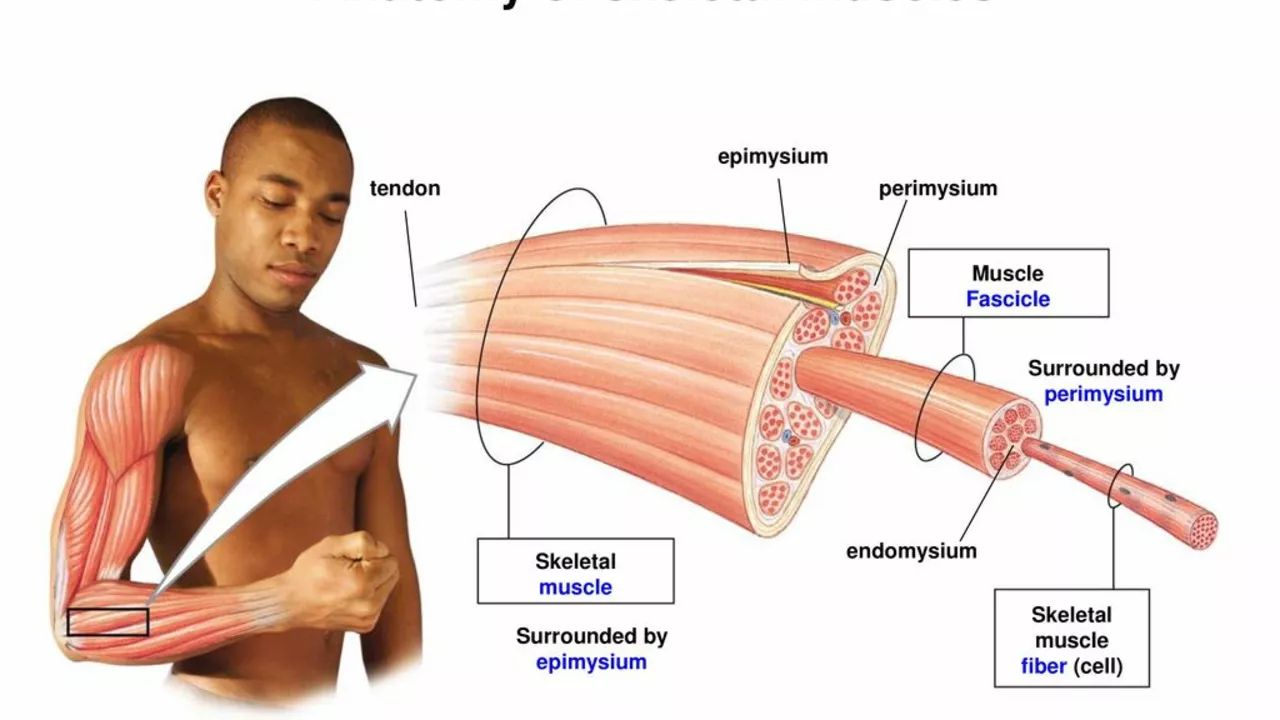
In my recent exploration of the link between skeletal muscle conditions and bone health, I've discovered a fascinating connection. It's apparent that these two aspects of our body are closely intertwined, with poor muscle health often leading to weakened bones. Muscle conditions like sarcopenia can increase the risk of developing osteoporosis, showing how crucial it is to maintain muscle health for overall bone strength. It's clear that exercise and a balanced diet play huge roles in keeping both muscles and bones healthy. It's really a reminder to take care of our bodies as a whole, because everything is interconnected.