Primaquine: Essential Guide to the Antimalarial Powerhouse
When talking about Primaquine, a synthetic 8‑aminoquinoline used to treat and prevent malaria. Also known as primaquine phosphate, it targets the dormant liver stages of certain malaria parasites and helps stop transmission. Primaquine is the only drug that can clear hypnozoites, the hidden forms of Plasmodium vivax and Plasmodium ovale that cause relapses.
One key partner in the Primaquine story is malaria, a mosquito‑borne disease caused by Plasmodium parasites. Among the five human‑infecting species, Plasmodium vivax, the parasite responsible for most relapsing malaria cases, relies on Primaquine for a complete cure. Without it, patients can suffer repeated fevers months after the initial infection.
Why Primaquine Matters for Travelers and Patients
Travelers heading to endemic regions often wonder if they need a daily pill or a single dose. Primaquine works both ways: a short‑course regimen (usually 14 days) clears liver stages, while a weekly low‑dose schedule can be used for prophylaxis during extended stays. The drug’s ability to prevent relapse makes it a must‑have for anyone visiting South‑East Asia, Central America, or parts of Africa where P. vivax is common.
Safety is a big conversation piece, especially for people with G6PD deficiency, a genetic enzyme disorder that makes red blood cells vulnerable to oxidative stress. Primaquine can trigger hemolysis in these individuals, so a simple screening test before prescribing is essential. In practice, clinicians check G6PD levels, adjust the dose if needed, or choose alternative drugs like tafenoquine for eligible patients.
From a pharmacology angle, Primaquine’s action hinges on generating reactive oxygen species inside the parasite. This mechanism not only kills the blood stages but also forces the dormant hypnozoites out of hiding. However, the same oxidative power is why G6PD‑deficient patients must be monitored closely. Understanding this balance helps doctors decide when the benefits outweigh the risks.
Resistance concerns have surfaced in recent years, especially in Southeast Asia where drug pressure is high. While Primaquine resistance is rare compared to artemisinin, emerging data suggest that sub‑therapeutic dosing can reduce effectiveness. That’s why adherence to the full course is critical—skipping doses or stopping early can leave hidden parasites alive.
Interaction warnings are also part of the picture. Primaquine should not be mixed with certain antiretrovirals, some antibiotics like sulfonamides, or high‑dose vitamin C, as these can increase oxidative stress. Patients on these meds need a thorough review before starting Primaquine.
On the dosing front, adults usually receive 0.25 mg/kg daily for 14 days for radical cure, while children get weight‑adjusted doses. For prophylaxis, a weekly dose of 0.5 mg/kg is common, started one week before exposure and continued for four weeks after leaving the area. Always follow a health professional’s guidance—over‑ or under‑dosing can both cause trouble.
Pregnant women present another challenge. Primaquine is generally avoided during pregnancy because the fetus’s G6PD status is unknown, and hemolysis risk is hard to gauge. Post‑partum women can safely resume treatment if screened, making timing a crucial consideration for family planning in endemic zones.
Beyond individual care, Primaquine plays a public health role. By eliminating hypnozoites, it reduces the reservoir of parasites that can be passed to mosquitoes, cutting community transmission. Mass drug administration campaigns in some countries include Primaquine to accelerate elimination goals.
In summary, Primaquine sits at the crossroads of cure, prevention, and safety. Its unique ability to eradicate dormant malaria forms makes it indispensable, but it demands careful screening for G6PD deficiency, strict adherence to dosing schedules, and awareness of drug interactions. Below, you’ll find detailed articles that dive into dosing strategies, travel tips, safety protocols, and the latest research on resistance—everything you need to use Primaquine wisely and stay malaria‑free.
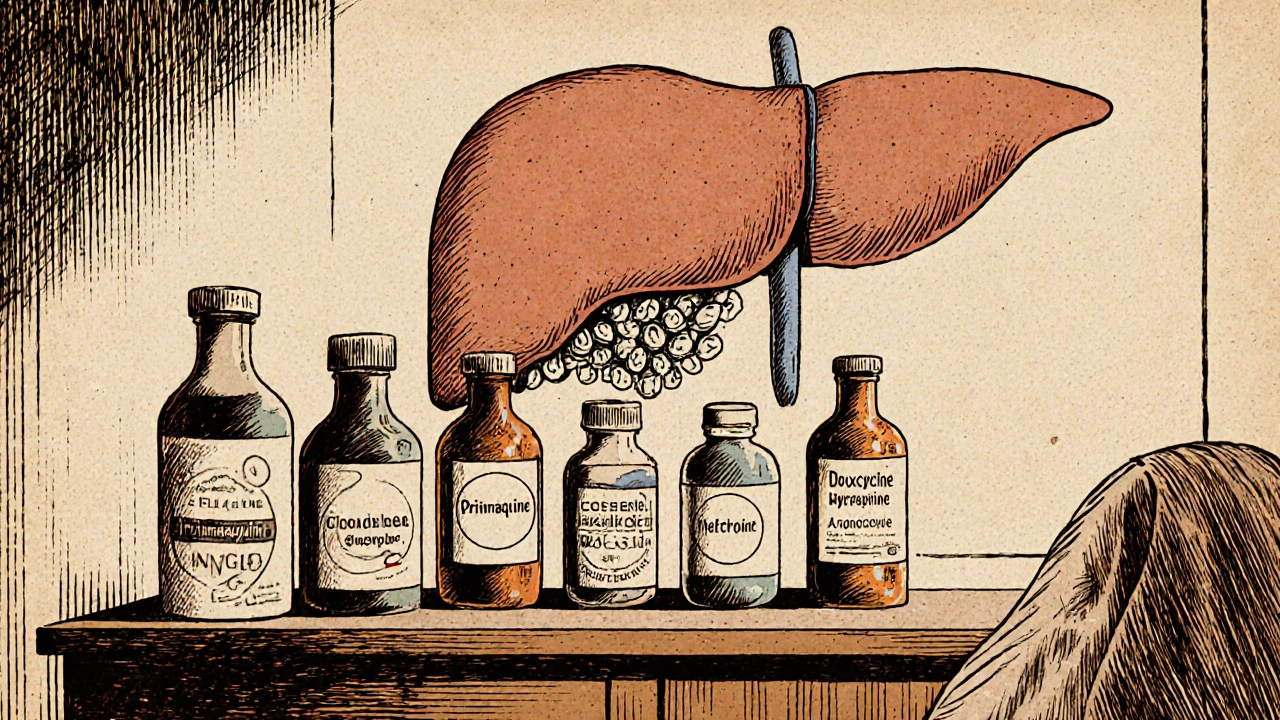
Primaquine vs Other Antimalarials: Detailed Comparison and When to Use Each
A thorough side‑by‑side comparison of primaquine with chloroquine, mefloquine, doxycycline, and atovaquone‑proguanil, covering uses, safety, cost, and how to choose the right antimalarial.