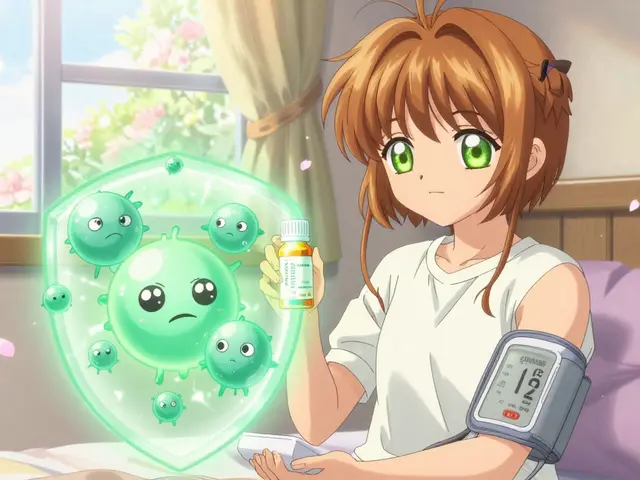
Shingles – Quick Guide to What It Is, How to Spot It, and How to Deal With It
Shingles isn’t a mystery disease – it’s the same virus that gave you chickenpox as a kid, waking up again later in life. When the virus reactivates, it travels along nerves and shows up as a painful rash. Most people get it after age 50, but a weak immune system can trigger it at any age.
First sign is usually a burning or stabbing pain on one side of the body. After a day or two, red patches appear and turn into fluid‑filled blisters. The rash often follows a stripe‑like pattern on the torso, but it can show up on the face, eye, or ear too. Fever, headache, and feeling wiped out are common companions.
Common Signs and Symptoms
Spotting shingles early makes treatment easier. Look for these clues:
- Sharp, burning pain or tingling in a band‑shaped area.
- Red skin that quickly becomes a cluster of blisters.
- Blisters that break open, crust over, and heal in 2‑4 weeks.
- Itching, swelling, or numbness in the same spot.
- Sometimes rash appears near the eye – this needs urgent care.
If you notice any of these, call your doctor right away. Starting antiviral pills within 72 hours can cut the illness short and lower the chance of complications like post‑herpetic neuralgia (persistent nerve pain).
Treatment Options and Prevention
Doctors usually prescribe oral antivirals such as acyclovir, valacyclovir, or famciclovir. Take them exactly as directed – usually for 7‑10 days. Over‑the‑counter pain relievers (ibuprofen or acetaminophen) help with fever and mild pain. For stronger nerve pain, doctors may add gabapentin or prescription creams.
Keep the rash clean. Gently wash with mild soap and pat dry. Applying a cool, damp cloth can soothe itching. Avoid scratching – it can lead to bacterial infection.
Prevention is a game‑changer. The shingles vaccine (Shingrix) is given in two shots, spaced 2‑6 months apart, and works for adults 50 and older. It reduces the risk of getting shingles by about 90% and cuts severe pain cases dramatically.
Even if you’ve had shingles before, getting vaccinated is still recommended because you can get it again.
Quick lifestyle tips to keep the virus in check:
- Stay up to date on flu and COVID‑19 shots – infections can weaken immunity.
- Eat a balanced diet rich in fruits, veggies, and lean protein.
- Exercise regularly – even a short walk boosts immune health.
- Manage stress with meditation, hobbies, or simple breathing exercises.
Remember, shingles is uncomfortable but treatable. Early antivirals, proper wound care, and the right vaccine can keep you from a painful recovery. If pain lingers more than a month after the rash clears, talk to your doctor about post‑herpetic neuralgia treatments.
Got more questions? Browse our other articles on antiviral meds, pain‑relief strategies, and vaccine updates for the latest, easy‑to‑understand info.
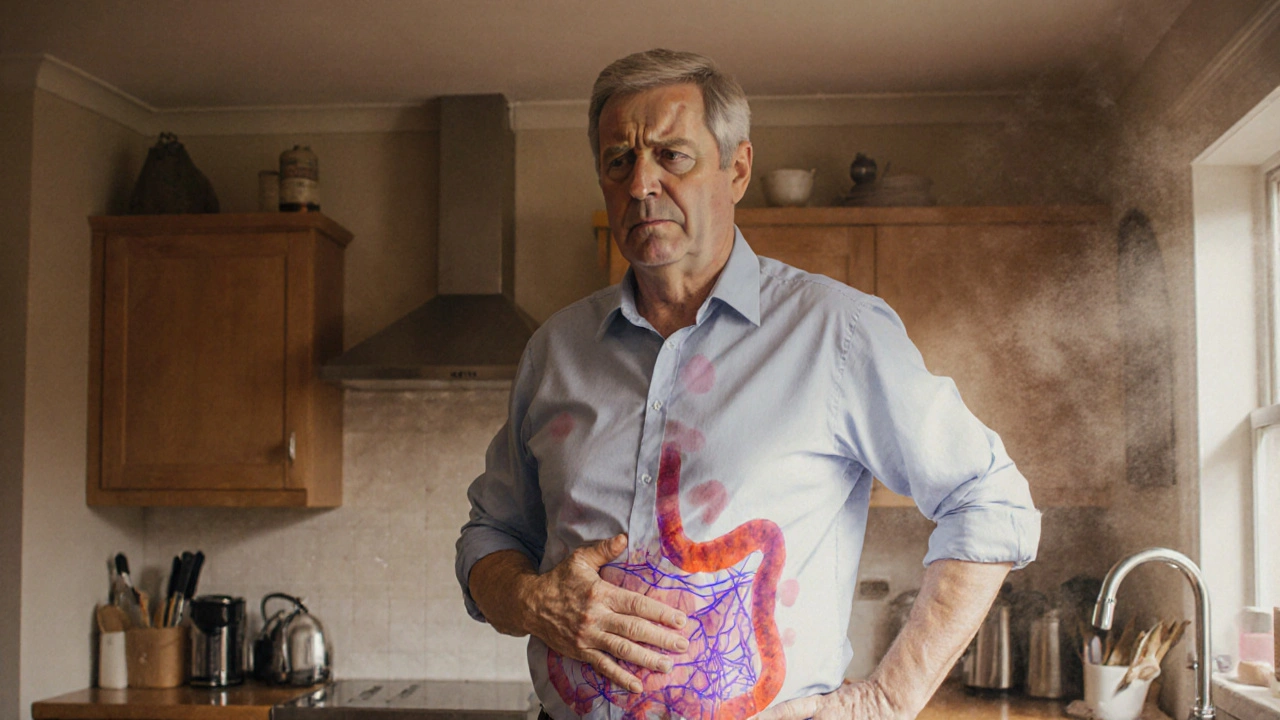
Shingles and Your Gut: How the Virus Impacts Digestive Health
Explore how shingles can affect your digestive system, recognize gut‑related symptoms, and learn practical steps to protect your gut health.