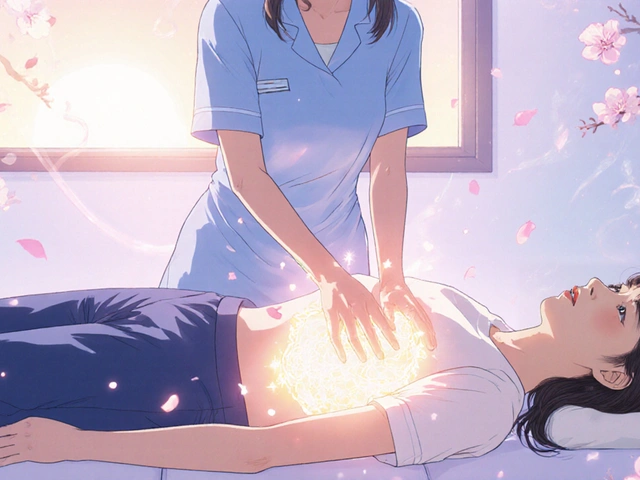
Understanding Stress and How to Tackle It
Stress hits everyone sometimes — it's a natural response when things get tough or fast-paced. But chronic stress doesn't just make you feel overwhelmed; it can mess with your body and mind. Recognizing stress early can help you stop it from taking over your life. Common signs include trouble sleeping, feeling anxious or irritable, and physical symptoms like headaches or muscle tension. Knowing what to watch for is the first step toward getting a handle on stress.
Life throws plenty of challenges our way, from work deadlines to family drama. While you can't avoid all stress, there are smart ways to reduce its grip. Simple habits like deep breathing, short walks, or even a few minutes of quiet can lower your tension instantly. You might think you’re too busy for breaks, but these little pauses recharge your brain and body better than pushing through until exhaustion.
Simple Methods to Ease Stress Quickly
One surprisingly effective technique is to focus on your breath. Breathing deeply and slowly sends a signal to your nerves to relax — no special equipment needed. Another useful approach is to organize your tasks. Sometimes stress builds because everything feels jumbled. By making a clear plan or writing a to-do list, you see what needs attention now and what can wait. That clarity can ease the mental chaos.
Also, physical activity doesn’t have to mean an intense workout. Moving your body through dancing, gardening, or even stretching helps release built-up tension. Plus, it boosts mood-raising chemicals to lift your spirits. Along with activity, connecting with friends or family—even briefly—can provide emotional support that makes stress easier to handle.
When Stress Becomes Too Much
If you find yourself constantly on edge or stressed for weeks, it might be more than normal pressure. In such cases, talking to a healthcare provider or counselor can be a smart move. They can offer guidance tailored to your situation, whether it's stress related to health, work, or something else. Don’t hesitate to ask for help—it’s a sign of taking charge, not weakness.
Managing stress is all about finding what works for you. No single solution fits all, so try different techniques and notice which ones bring you relief. Over time, these habits not only reduce stress but also build resilience to handle future challenges better. Remember, your mental and physical health deserve that attention.
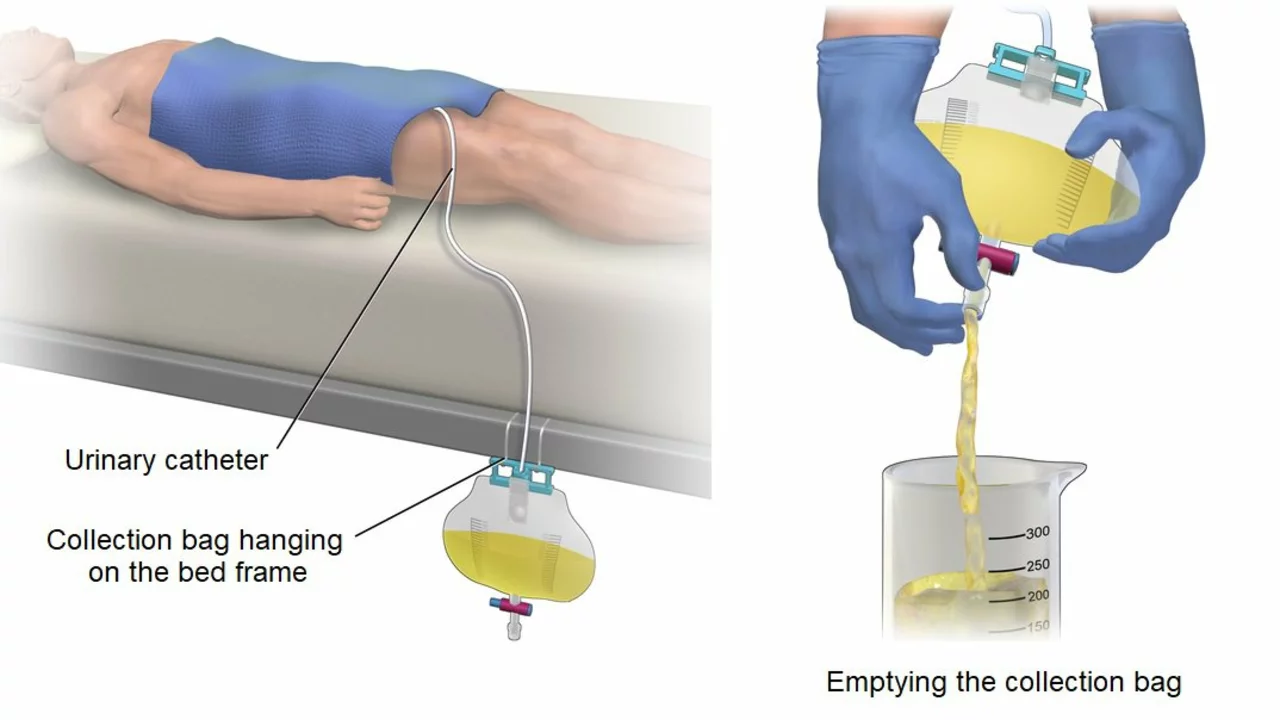
The Role of Stress in Causing and Exacerbating Urinary Retention
As a blogger, I've recently been researching the connection between stress and urinary retention. It's fascinating to learn that stress can not only cause urinary retention, but also exacerbate the condition in those already experiencing it. High stress levels can lead to muscle tension and nervous system responses that affect bladder function. I believe it's essential for us to be aware of this link and prioritize stress management to maintain good urinary health. Let's all take a moment to breathe and relax, for the sake of our bladders!