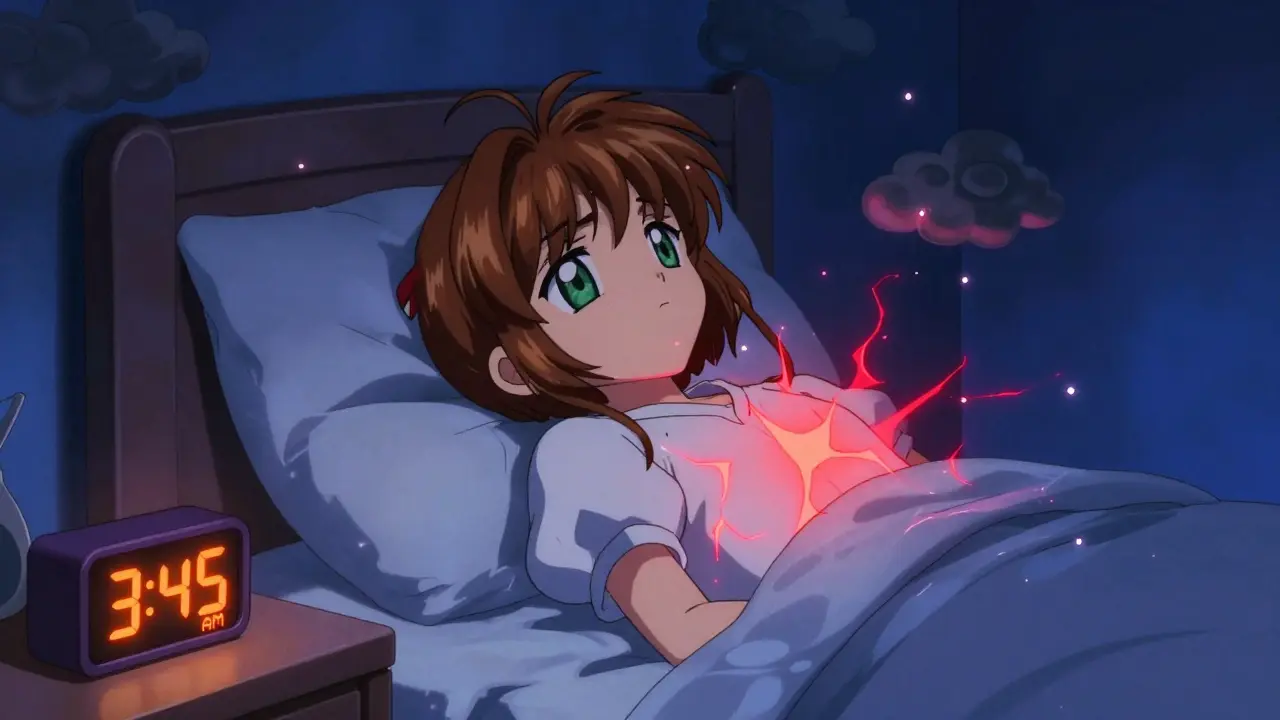
You lie there, staring at the ceiling. Your back aches, your joints throb, and every time you try to shift positions, a fresh wave of discomfort shoots through your body. You’ve been awake for three hours. The clock reads 3:45 AM. This isn’t just bad luck-it’s the insomnia-pain cycle, a vicious loop where chronic pain disrupts sleep architecture while sleep deficiency amplifies pain sensitivity. For millions of people, this bidirectional relationship creates a self-perpetuating nightmare that feels impossible to escape.
Historically, doctors treated insomnia as merely a secondary symptom of chronic pain. But research since the late 1990s has flipped this understanding completely. A landmark 1999 study from the University of Washington showed that women subjected to selective sleep deprivation experienced significantly decreased pain tolerance. Today, we know that individuals with sleep problems but no existing pain have a 56% higher risk of developing chronic pain syndromes within five years compared to those with normal sleep patterns. If you’re stuck in this cycle, you’re not alone-approximately 1.5 billion people worldwide experience chronic pain, with 50-80% reporting clinically significant sleep disturbances.
The Neuroscience Behind the Loop
To break the cycle, you first need to understand what’s happening inside your brain. Research published in Nature Communications (2023) by Weihua Ding at Massachusetts General Hospital identified specific neural pathways that lock sleep deprivation and chronic pain together. Think of your brain’s internal pain control system like a room thermostat. When you’re well-rested, it keeps pain signals regulated. But when you lose sleep, that thermostat malfunctions, heightening your sensitivity to pain even without new physical damage.
At the molecular level, sleep deficiency exerts a deactivating effect on your body’s natural painkillers. It reduces endogenous opioid activity by 30-40%, dampens the orexinergic system, lowers melatonin production, and decreases dopamine signaling. Meanwhile, it activates hyperalgesic systems-including nitric oxide and adenosine signaling-and boosts inflammatory mediators like IL-6 cytokines by 25-35%. Dr. Frank Porreca from the University of Arizona discovered that kappa opioid receptors play a critical role in this disruption. Preclinical studies show 40-60% improvement in sleep quality when targeting these receptors in chronic pain models.
Dopamine is particularly implicated here. Decreased dopamine availability explains both sleep disturbances and dysfunctional endogenous analgesia in chronic pain patients. Following sleep deprivation, dopamine levels can drop by 20-30%, creating a double whammy: you feel more pain, and you struggle to fall asleep because your brain lacks the chemical signals needed for restful slumber.
Why Traditional Pain Treatments Often Fail
If you’ve tried treating your pain without addressing your sleep, you’ve likely noticed the results are short-lived or non-existent. Clinical evidence shows that chronic pain patients with comorbid insomnia report 35-45% higher pain intensity, 28% longer pain duration, and 50% worse impairment in physical and psychosocial functioning compared to those without sleep disturbances. Objective measurements reveal why: chronic pain patients experience 25-30 minutes longer sleep onset latency, 40-50% more frequent awakenings after sleep onset (averaging 62 minutes per night versus 35 minutes in healthy controls), and 45-60 minutes shorter total sleep time.
The American Academy of Sleep Medicine reports that 54% of chronic pain patients meet diagnostic criteria for insomnia disorder, compared to just 10-15% in the general population. Dr. Nicole K.Y. Tang of King’s College London emphasizes that "insomnia is a major source of distress to people with chronic pain." In fact, 78% of patients prioritize sleep improvement over pain reduction in their initial consultations. Yet, many clinics still treat these conditions separately, leading to fragmented care that leaves patients frustrated and suffering.
| Metric | Chronic Pain Patients | Healthy Controls |
|---|---|---|
| Sleep Onset Latency | 25-30 minutes longer | Average baseline |
| Wake After Sleep Onset | ~62 minutes per night | ~35 minutes per night |
| Total Sleep Time | ~6.2 hours | ~7.1 hours |
| Sleep Efficiency | 8-10% lower | Standard efficiency |
| Pittsburgh Sleep Quality Index Score | Average 10.5 | Average 5.2 |
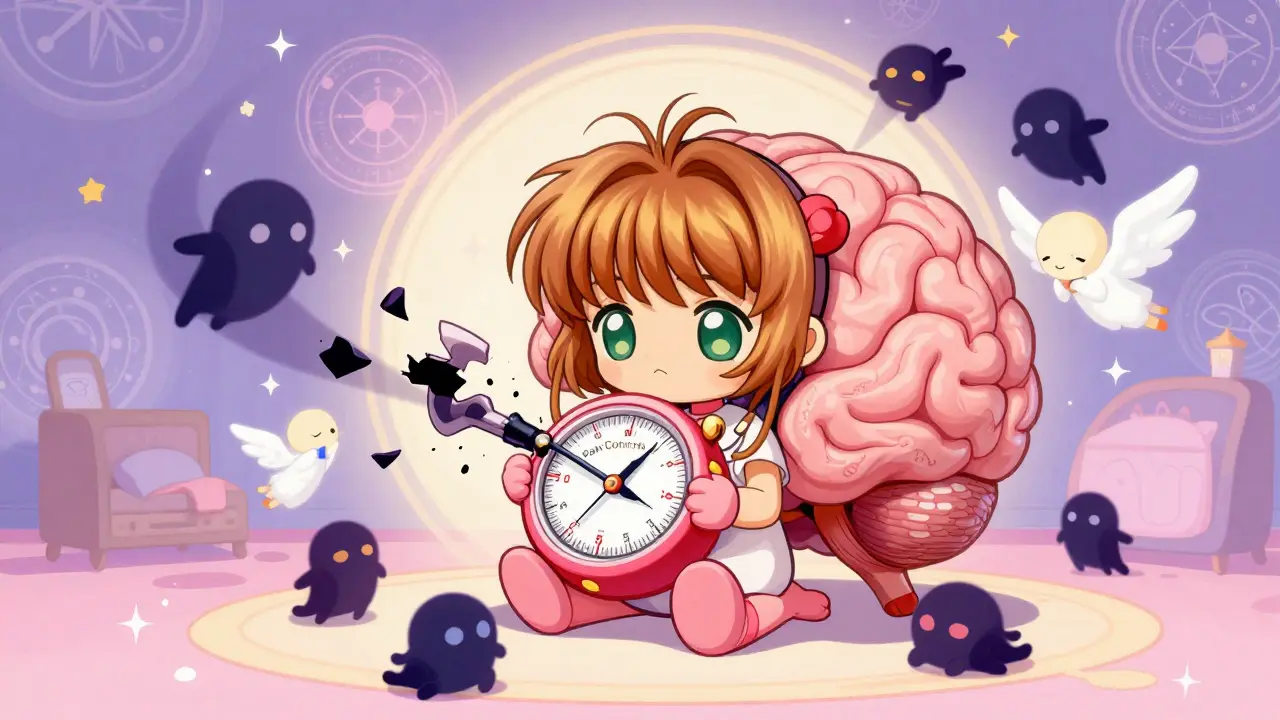
Cognitive Behavioral Therapy for Insomnia (CBT-I): The Gold Standard
So, how do you actually break the cycle? Expert consensus strongly supports Cognitive Behavioral Therapy for Insomnia (CBT-I) as the most effective intervention for sleep disturbance in chronic pain conditions. With efficacy rates of 65-75% in reducing insomnia symptoms and 30-40% in reducing pain intensity after 8-10 weekly sessions, CBT-I outperforms medication alone in long-term outcomes.
Dr. Tang’s research demonstrates that CBT-I produces clinically significant improvements in sleep efficiency (increasing by 12-15 percentage points), sleep onset latency (decreasing by 25-30 minutes), and wake after sleep onset (decreasing by 35-40 minutes). Unlike sleeping pills, which can cause dependency and next-day grogginess, CBT-I retrains your brain to associate bed with rest rather than frustration. It addresses the cognitive distortions-like "I’ll never sleep again"-that keep you awake, while implementing behavioral changes like stimulus control and sleep restriction.
For acute postoperative pain, multimodal management is essential due to complications from proinflammatory mediators and psychosocial stressors. Optimal protocols reduce sleep disruption by 25-35% compared to standard care. However, for chronic conditions, CBT-I remains the cornerstone of treatment. Digital platforms like Sleepio show 60-65% efficacy in chronic pain patients, though completion rates drop to 55% compared to 75% in non-pain populations. This highlights the importance of sticking with the program-even if it feels difficult at first.
Emerging Pharmacological Approaches
While therapy is powerful, some patients benefit from targeted medications. Dr. Porreca’s research on kappa opioid receptor modulators represents a promising pharmacological approach. Phase 2 trials show 30-35% improvement in sleep quality and 25-30% reduction in pain scores among participants with chronic neuropathic pain. These drugs work differently than traditional opioids, avoiding the respiratory depression risks associated with them.
However, caution is warranted. Dr. Shen notes that "pain in human beings is a very subjective experience," and sleep loss can induce pain perception even without exaggerated stimulation. This complicates treatment approaches, as what works for one person may not work for another. The National Institutes of Health allocated $12.7 million in 2023 for research specifically targeting the pain-sleep cycle, with 47 active clinical trials registered on ClinicalTrials.gov. Researchers at MGH have identified 12 gene variants associated with both pain sensitivity and sleep regulation, with predictive accuracy of 68% for treatment response. This suggests personalized medicine approaches will soon become standard practice.

Practical Steps to Take Tonight
You don’t need to wait for a clinical trial to start feeling better. Here’s what you can do right now:
- Track your sleep: Use a sleep diary to record sleep onset latency, wake after sleep onset, total sleep time, and sleep quality for at least 14 days. This establishes a baseline pattern and helps identify triggers.
- Use the Insomnia Severity Index (ISI): Scores above 15 indicate clinically significant insomnia requiring targeted intervention. Share this score with your doctor.
- Create a wind-down routine: Start winding down 60 minutes before bed. Dim lights, avoid screens, and engage in calming activities like reading or gentle stretching.
- Optimize your environment: Keep your bedroom cool (around 65°F), dark, and quiet. Consider blackout curtains and white noise machines if needed.
- Limit caffeine and alcohol: Avoid caffeine after 2 PM and limit alcohol consumption, as both disrupt sleep architecture.
- Get morning sunlight: Exposure to natural light within an hour of waking helps regulate your circadian rhythm.
Successful implementation requires interdisciplinary coordination between pain specialists, sleep medicine physicians, and behavioral health providers. Optimal programs reduce pain-related healthcare utilization by 25-30% within six months. Don’t settle for fragmented care-ask for an integrated approach that treats both your pain and your sleep.
What the Data Says About Patient Experiences
Patient experiences consistently validate the clinical findings. In Reddit discussions from the r/ChronicPain community (October 2023), 87% of 243 respondents reported that "poor sleep directly worsens their pain the next day," while 79% stated that "pain prevents them from getting restful sleep." One patient, Sarah M., described: "After 4 nights of poor sleep due to back pain, my fibromyalgia flares go from a 4/10 to an 8/10, and it takes me 2 weeks to recover even after sleep improves." Trustpilot reviews for pain management clinics indicate that patients who receive integrated sleep-pain treatment report 4.7/5 satisfaction rates compared to 3.2/5 for pain-only treatment. Conversely, 68% of negative reviews mention "doctors only treating pain without addressing sleep" as a primary concern. The Arthritis Foundation’s 2023 patient survey found that 72% tried over-the-counter sleep aids, but only 35% reported sustained benefit, with 42% experiencing next-day grogginess that worsened pain perception.
The market for integrated pain-sleep solutions is projected to grow from $3.2 billion in 2023 to $5.7 billion by 2028, driven by increased recognition of this bidirectional relationship. This growth reflects a fundamental shift in how healthcare providers view pain-not as an isolated symptom, but as part of a complex system involving sleep, mood, and nervous function.
Is the insomnia-pain cycle reversible?
Yes, the insomnia-pain cycle is highly reversible with proper treatment. Cognitive Behavioral Therapy for Insomnia (CBT-I) has shown 65-75% efficacy in breaking the cycle, with significant reductions in both sleep disturbances and pain intensity. Early intervention yields the best results, but even long-standing cases can improve with consistent therapy and lifestyle changes.
How does lack of sleep make pain worse?
Lack of sleep disrupts your brain’s natural pain control systems. It reduces endogenous opioid activity by 30-40%, lowers dopamine levels by 20-30%, and increases inflammatory cytokines like IL-6 by 25-35%. This combination makes your nervous system more sensitive to pain signals, lowering your pain threshold by 10-20% in experimental settings.
Are sleeping pills effective for chronic pain patients?
Sleeping pills offer only temporary relief and often cause next-day grogginess that worsens pain perception. Studies show only 35% of chronic pain patients report sustained benefit from over-the-counter sleep aids, while 42% experience worsening symptoms. CBT-I is considered superior because it addresses the root causes of insomnia without side effects or dependency risks.
What is the role of kappa opioid receptors in pain and sleep?
Kappa opioid receptors play a critical role in regulating both pain and sleep. Research by Dr. Frank Porreca shows that targeting these receptors can improve sleep quality by 40-60% in preclinical models. Phase 2 trials of kappa opioid receptor modulators demonstrate 30-35% improvement in sleep quality and 25-30% reduction in pain scores for chronic neuropathic pain patients.
How many sessions of CBT-I are typically needed?
The American Academy of Sleep Medicine recommends 8-10 weekly sessions of 50-60 minutes each with a certified therapist. This duration achieves the best results, with 70-80% adherence rates in chronic pain populations. Digital CBT-I platforms may require similar commitment, though completion rates are slightly lower at 55%.
Can genetics predict how well I’ll respond to treatment?
Emerging research suggests yes. Scientists at Massachusetts General Hospital have identified 12 gene variants associated with both pain sensitivity and sleep regulation. These genetic markers provide 68% predictive accuracy for treatment response, paving the way for personalized medicine approaches that tailor interventions to individual biological profiles.
Should I see a sleep specialist or a pain specialist first?
Ideally, you should seek an integrated care team that includes both sleep medicine physicians and pain specialists. Since 78% of patients prioritize sleep improvement over pain reduction, starting with a sleep-focused approach often yields faster relief. Look for clinics that use standardized sleep screening tools like the Insomnia Severity Index alongside pain assessments.







Madison Jones May 6, 2026
I really appreciate this breakdown of the neuroscience! It is so validating to know that my brain is literally malfunctioning like a thermostat when I am exhausted. I have been trying CBT-I for about three weeks now, and while it feels counterintuitive to restrict sleep, I am seeing small improvements in my wake after sleep onset. Keep up the great work sharing these insights!!
Jake Williams May 6, 2026
Another day, another article telling us our brains are broken because we don't get enough sleep. Sounds like a classic case of modern weakness to me. People used to survive on four hours of sleep without complaining about their 'dopamine levels.' This whole industry of pain management is just a way to keep people dependent on doctors and therapy sessions instead of toughening up.
Nilesh Mandani May 8, 2026
The philosophical angle here is interesting. We often view pain as an external invader, but this suggests it is an internal state regulated by our rest. If we accept that sleep is not just a pause button but a maintenance cycle for our nervous system, then treating insomnia becomes as critical as treating the injury itself. It changes the narrative from fighting pain to nurturing resilience.
Guy Birtwhistle May 8, 2026
Look, I get that the science is sound, but let's be real about the accessibility of CBT-I. Not everyone has the luxury of spending eight weeks with a therapist or paying for digital platforms. The sarcasm isn't aimed at you, but at the healthcare system that leaves people in limbo. Until integrated care is standard, we are just patching holes in a sinking ship.
Kenny Pines May 10, 2026
Hey guys! 👋 Just wanted to say that the part about kappa opioid receptors blew my mind 🤯. I never knew there was a specific receptor link between sleep and pain. It makes total sense why my sleeping pills made me feel worse the next day. Thanks for the info! 😴💊
Liz and Nick May 12, 2026
i tried everything they said and nothing worked. my back still hurts and i still cant sleep. doctors dont listen they just prescribe more meds. its all a scam really. why do they keep writing these articles if the advice doesnt help anyone? its just frustrating.
Brian Fibelkorn May 12, 2026
The epistemological framework presented here relies heavily on reductionist neurobiology. While the correlation between IL-6 cytokines and hyperalgesia is well-documented, the assertion that CBT-I is the 'gold standard' ignores the complex psychosocial determinants of chronic suffering. We must interrogate the hegemony of biomedical models before prescribing behavioral interventions as panaceas.
David Rangkhal May 13, 2026
Great points everyone. I think the key takeaway is that we need to stop viewing pain and sleep as separate issues. In India, we often emphasize holistic balance, and this science backs that up. Let's support each other in finding what works. 🙏✨
Chelsea Grdina May 14, 2026
As someone who lives in Canada where the winters can be brutal for circadian rhythms, I found the section on morning sunlight incredibly helpful. It’s not just about avoiding screens; it’s about anchoring your body clock to the natural world. I’ve started using light therapy lamps during the darker months, and it has made a subtle but noticeable difference in how I handle my fibromyalgia flares. It’s a small step, but it feels empowering to take control of one variable in such a chaotic equation. 🌞🍁
Sarah Kwiatkowski May 15, 2026
This is such a crucial piece of information! I have been struggling with this cycle for years and always thought I was failing at managing my pain. Knowing that my sleep deprivation is actively lowering my pain tolerance gives me a new perspective. I’m going to start tracking my sleep tonight as suggested. Who else is ready to try the wind-down routine?
Brian LeClercq May 17, 2026
Oh, wonderful. Another article suggesting that the solution to human suffering is a series of cognitive exercises and strict bedtime routines. How very bourgeois. The reality is that systemic stressors and environmental toxins play a far larger role in our collective misery than some minor fluctuation in dopamine signaling. But sure, blame it on your lack of willpower to fall asleep.
Frances Kendall May 18, 2026
I completely disagree with the cynicism here. The data is clear: addressing sleep improves pain outcomes significantly. As a cultural ambassador for health literacy, I see too many communities dismissing non-pharmacological treatments due to stigma. CBT-I is not about willpower; it is about retraining neural pathways. We must advocate for accessible mental health resources alongside pain management to truly heal our societies.
Sarah Grenberg May 20, 2026
Wow, this thread is intense! I just want to say that every small step counts. Whether it is dimming the lights or just acknowledging the struggle, you are doing better than you think. Let’s lift each other up instead of tearing down the science. 💪
Brian Lee May 22, 2026
im glad i read this. i wasnt sure if my pain was real or just in my head but this says its real. thanks for the tips i will try them.