Authorized Generics: What They Are and How They Save You Money on Prescriptions
When you hear authorized generics, brand-name drugs made by the same company but sold under a different label at a lower price. They’re not knockoffs—they’re the exact same pills, same factory, same ingredients, just without the fancy packaging or marketing. Unlike regular generics, which are made by other companies after the patent expires, authorized generics come straight from the original drugmaker. That means no guesswork about quality, no hidden differences in fillers or coatings. You get the same effect as the brand-name version, often for half the price.
Why don’t more people know about them? Because pharmacies and insurers rarely mention them. Most patients assume generics are just cheaper versions, but authorized generics are the closest thing to the original drug you can buy. They’re especially useful if you’ve had bad reactions to regular generics—some people notice subtle differences in how their body responds, even when the active ingredient is identical. With authorized generics, that risk drops to nearly zero. They’re approved by the FDA just like brand-name drugs, and they’re listed in the same Orange Book database. You just have to ask for them by name.
These drugs are part of a bigger system where drugmakers protect profits by launching their own generic version right as the patent expires. It’s a smart move: they keep market share, and you get a cheaper, identical pill. But here’s the catch—you won’t see them on your insurance formulary unless you specifically request them. Pharmacists often default to the cheapest generic, even if it’s made by a different company. If you’re on a medication like Lipitor, Adderall, or Zoloft, ask your pharmacist: "Is there an authorized generic available?" You might be surprised how much you save. Some people cut their monthly bill from $150 to $25 overnight.
Authorized generics also show up in places you wouldn’t expect. If you’re switching from a brand-name psychiatric drug and your doctor warns you about emotional side effects, an authorized generic might be the safest option. Studies show people report fewer psychological issues when switching to an authorized generic compared to a standard generic. That’s because the formulation is identical—no change in how the drug dissolves or is absorbed. The same goes for blood pressure meds, diabetes drugs, or cholesterol pills. If your body is finely tuned to a specific version, why risk it?
And here’s something most people miss: authorized generics are often sold under private labels at big retailers like Walmart, CVS, or Costco. Look for the manufacturer name on the bottle—if it matches the brand-name maker, you’ve got an authorized generic. No need to pay extra for the brand name. You’re not getting less—you’re getting the same thing, just without the ad campaign.
Below, you’ll find real stories and practical guides on how to find these hidden savings, how to talk to your doctor about switching, and why some insurance plans fight to keep you on the expensive version—even when cheaper, identical options exist. Whether you’re managing chronic illness, juggling multiple meds, or just trying to stretch your budget, knowing about authorized generics could save you thousands this year.
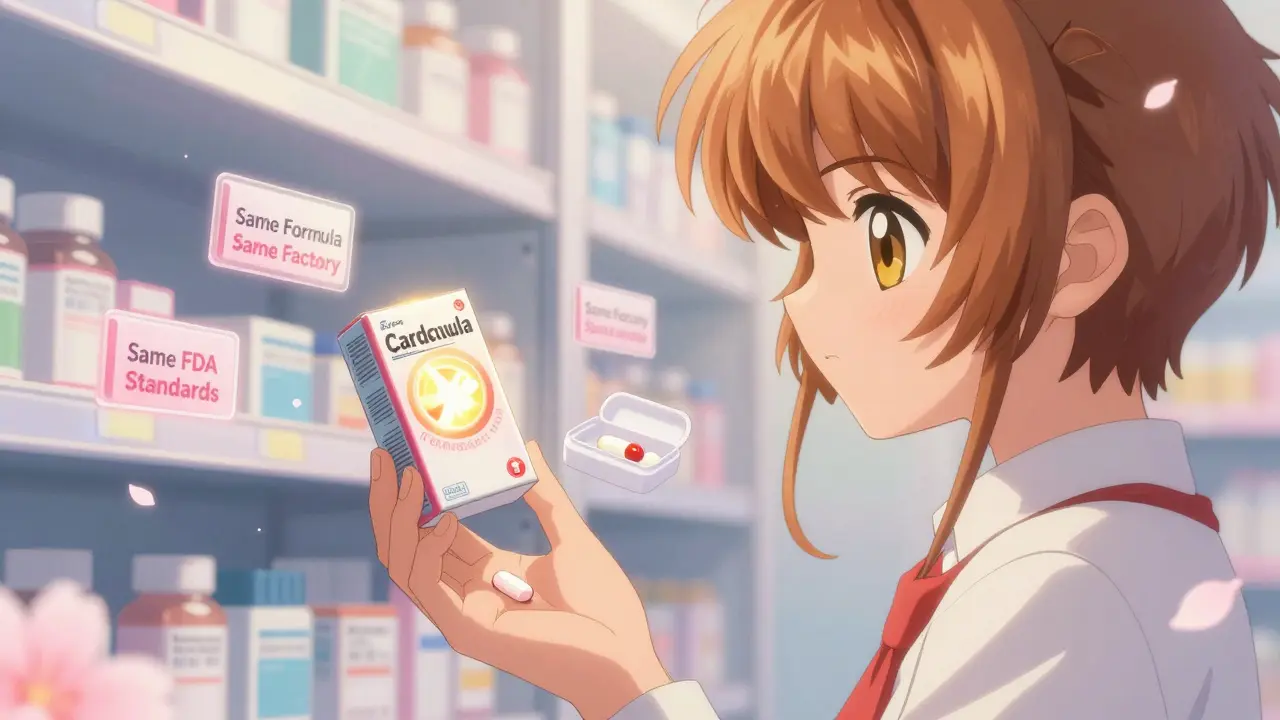
Quality and Efficacy: Are Authorized Generics as Good as Brand Name Drugs?
Authorized generics are the exact same medication as brand-name drugs, made in the same factory with identical ingredients. Learn why they're just as effective, how they differ from traditional generics, and how to save money without sacrificing quality.
180-Day Exclusivity and Authorized Generics: What You Need to Know About U.S. Drug Market Laws
The 180-day exclusivity rule was meant to reward generic drug makers who challenge patents. But authorized generics let brand companies undercut them. Here’s how the law works, who wins, who loses, and why it’s broken.