Children's OTC Medicine: Safe Options, Risks, and What Parents Need to Know
When your kid has a fever, a stuffy nose, or a sore throat, you reach for children's OTC medicine, over-the-counter drugs approved for use in kids under adult supervision. Also known as pediatric OTC medications, these are meant to be simple, safe fixes—but they’re not always harmless if used wrong. Every year, emergency rooms see hundreds of kids because of incorrect dosing, mixing medicines, or using adult products by accident. It’s not about being careless—it’s about not knowing what’s really in those bottles.
Pediatric pain relief, like acetaminophen and ibuprofen, are the backbone of home care for fevers and minor aches. But even these common drugs can cause liver or kidney damage if given too often or in the wrong amount. Kids aren’t small adults—their bodies process medicine differently. And cough and cold meds for kids, including antihistamines and decongestants, often do more harm than good. The FDA doesn’t recommend them for kids under six because studies show they don’t work well and carry real risks like fast heart rate, drowsiness, or even seizures. Yet many parents still reach for them because the label says "for children."
Child-safe fever reducers, specifically formulated with clear dosing based on weight, are the only OTC drugs with strong evidence of benefit in young kids. Everything else? It’s mostly guesswork. You don’t need a syrup full of sugar and artificial colors to help a child recover from a cold. Hydration, rest, and saline drops often do more than any medicine. And if you’re using multiple products—say, a fever reducer plus a nighttime cough syrup—you might be doubling up on the same active ingredient without realizing it. That’s how accidental overdoses happen.
There’s a big gap between what’s sold on shelves and what’s actually safe. You won’t find clear warnings on the box about drug interactions, or how long to wait before giving another dose. And while some parents swear by herbal remedies or homeopathic drops, those aren’t regulated like real medicine. They might be harmless, but they also might be useless—or worse, contaminated.
This collection of articles doesn’t just list what’s available. It shows you what works, what doesn’t, and what to watch out for. You’ll see real data on why certain cough syrups are being pulled from shelves, how to read labels like a pharmacist, and when to skip medicine altogether. You’ll learn how to spot signs of overdose, why some brands are safer than others, and what to do if your child accidentally takes too much. No fluff. No marketing. Just what you need to keep your kid safe when you’re not at the doctor’s office.
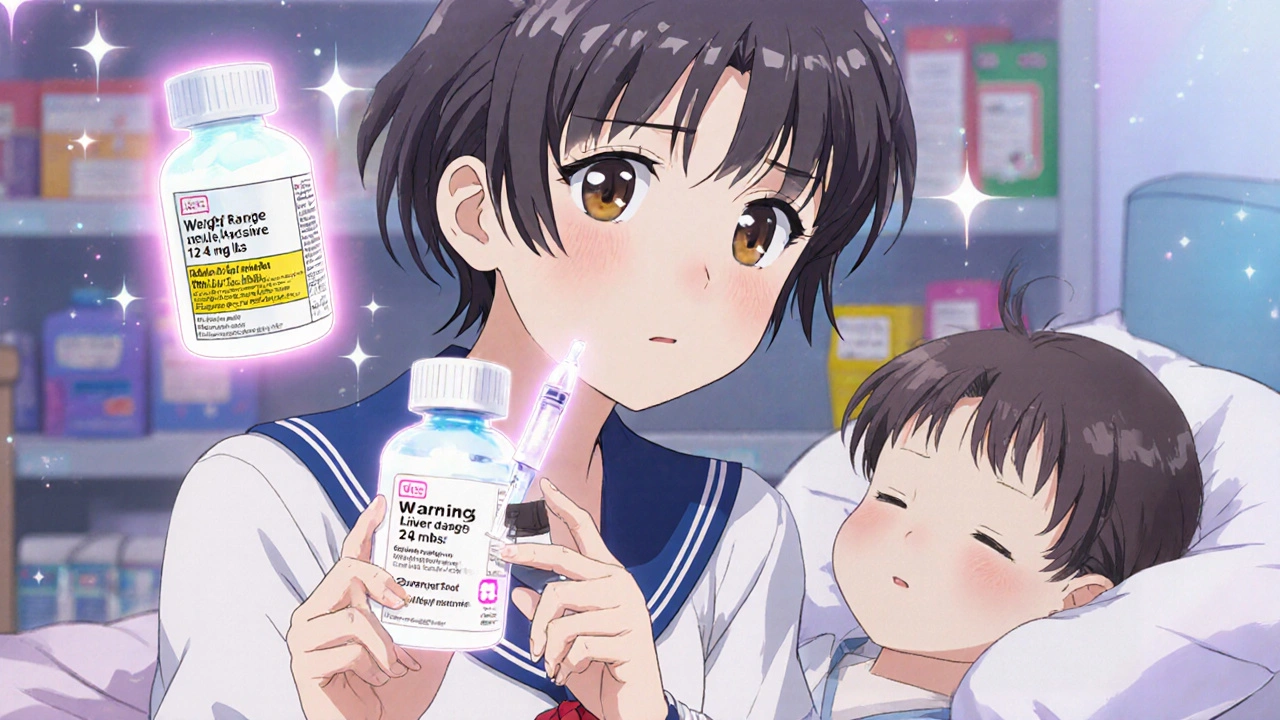
How to Read OTC Children’s Medication Labels by Weight and Age
Learn how to safely dose children's OTC medicine by weight, not age. Understand acetaminophen and ibuprofen labels, avoid dangerous mistakes, and use the right tools to keep your child safe.