Empagliflozin: Uses, Benefits, and Safety
When working with Empagliflozin, a prescription drug that blocks the sodium‑glucose cotransporter‑2 (SGLT2) to lower blood sugar. Also known as Jardiance, it is widely used for managing type 2 diabetes and protecting heart and kidneys. It belongs to the broader class of SGLT2 inhibitors, medications that prevent glucose reabsorption in the kidneys, causing excess sugar to be expelled in urine. By targeting this pathway, Empagliflozin not only improves glycemic control but also reduces the workload on the heart, a key factor in patients with cardiovascular disease, conditions such as heart failure or a history of heart attack. The drug’s benefits extend to those battling chronic kidney disease, progressive loss of kidney function often seen in diabetics. In short, Empagliflozin is a multitasking agent that tackles blood sugar, heart risk, and kidney health in one package.
Why does Empagliflozin work so well for type 2 diabetes, a condition where the body either resists insulin or doesn’t produce enough. The drug’s primary action—blocking SGLT2—forces the kidneys to dump excess glucose, which directly lowers blood glucose levels without increasing insulin. This mechanism also leads to modest weight loss and a drop in blood pressure, two side effects that further help diabetic patients manage their disease. Clinical trials have shown that adding Empagliflozin to standard diabetes therapy reduces HbA1c by about 0.5‑0.8%, a meaningful improvement for many.
Key Benefits and Clinical Insights
Beyond sugar control, Empagliflozin cuts the risk of cardiovascular death in high‑risk patients. Large outcome studies revealed a 38% relative reduction in heart‑related mortality compared to placebo, making it one of the few diabetes drugs with proven heart‑protective effects. That benefit stems from several factors: lower blood pressure, reduced arterial stiffness, and better overall energy balance. For patients with existing heart failure, the drug lessens hospital admissions by shrinking fluid overload, a direct result of its diuretic‑like action.
Kidney protection is another major win. Empagliflozin slows the decline of estimated glomerular filtration rate (eGFR) and reduces albuminuria, two key markers of kidney health. By lowering intraglomerular pressure, the medication eases the strain on filtering units, delaying the need for dialysis in many cases. This effect is especially relevant for diabetic patients who often face a double‑hit of high blood sugar and hypertension.
When it comes to safety, most people tolerate Empagliflozin well. The most common side effects are mild genital yeast infections and increased urination—both linked to the extra glucose in urine. Rarely, patients may develop dehydration or a serious condition called euglycemic diabetic ketoacidosis, so staying hydrated and monitoring blood ketones if you feel unwell is crucial. Doctors usually advise a lower starting dose for those with reduced kidney function, and regular lab checks help catch any issues early.
Putting it all together, Empagliflozin offers a unique mix of blood‑sugar control, heart protection, and kidney preservation. Whether you’re newly diagnosed with type 2 diabetes or you’ve been managing the condition for years, the drug provides an extra layer of security against the complications that often make diabetes so challenging. Below you’ll find a curated set of articles that dive deeper into dosing tips, side‑effect management, and real‑world patient experiences, giving you the practical tools you need to make informed decisions about your therapy.
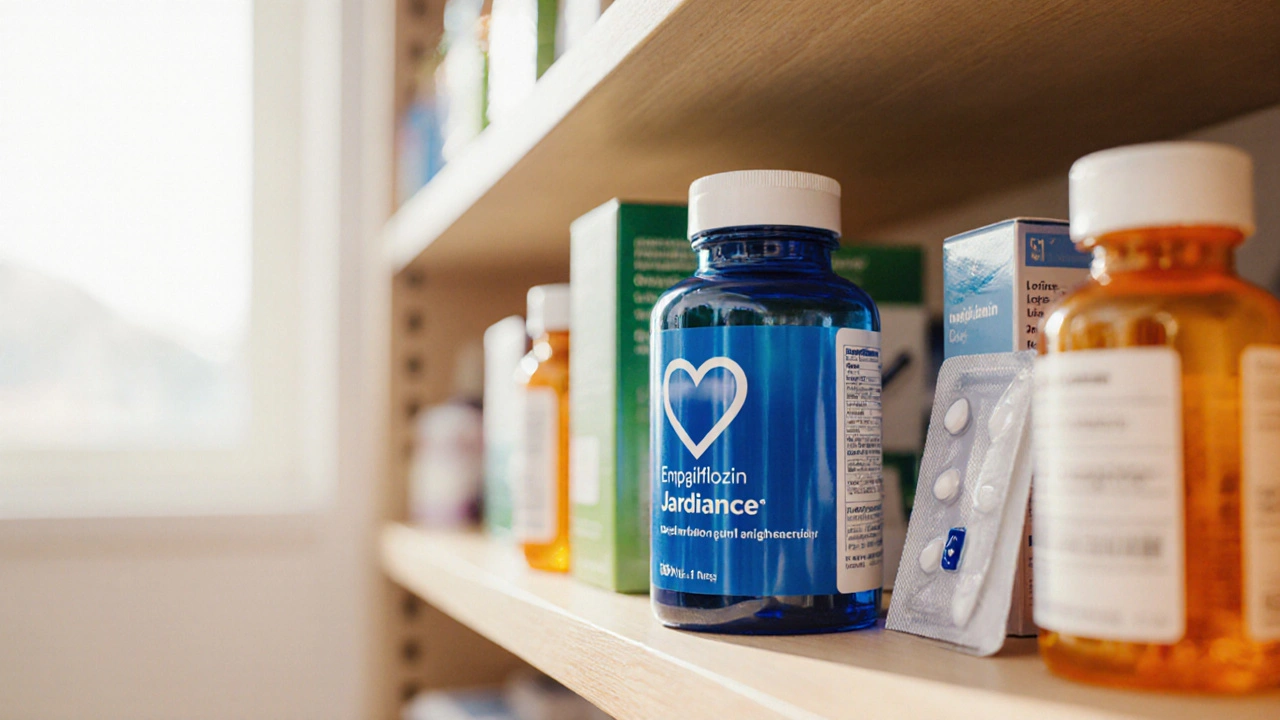
Empagliflozin vs Alternatives: In‑Depth Drug Comparison for Diabetes
Compare Empagliflozin with canagliflozin, dapagliflozin, metformin, and liraglutide. Learn efficacy, heart benefits, side effects, and costs to pick the right diabetes drug.