Understanding Endometrial Hyperplasia: Causes, Symptoms, and Treatment
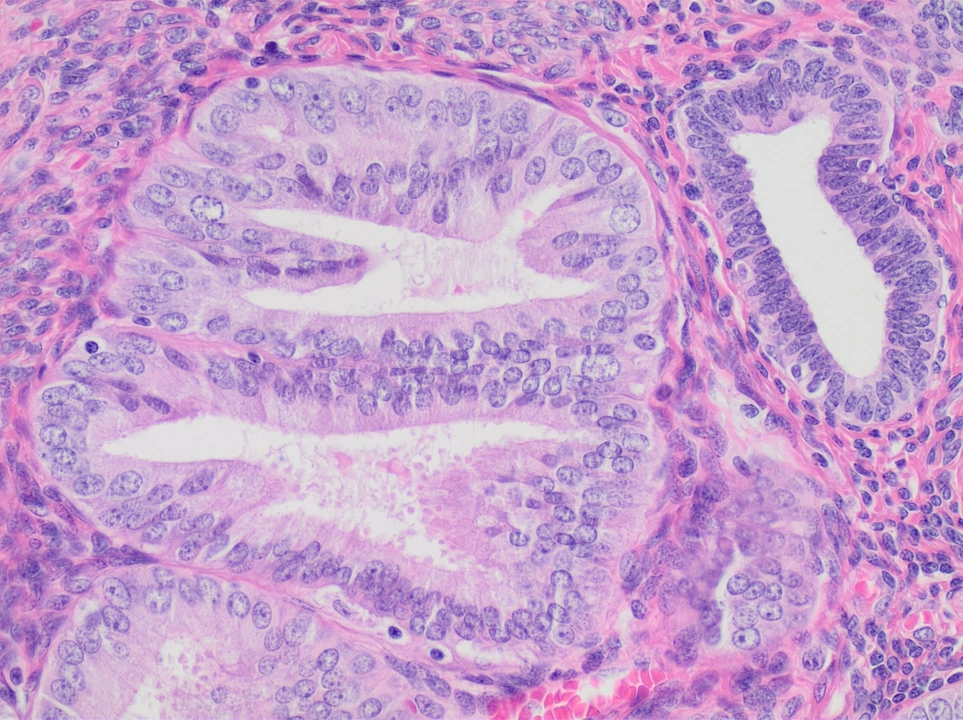
Endometrial hyperplasia is a condition where the lining of the uterus, called the endometrium, becomes too thick. This happens when there’s an imbalance of hormones, mainly an excess of estrogen without enough progesterone to balance it out. It's not cancer, but if left untreated, it can sometimes lead to endometrial cancer, so catching it early is important.
Many women don’t notice symptoms right away, but common signs include irregular or heavy menstrual bleeding, spotting between periods, or bleeding after menopause. If you experience any of these, it’s a good idea to see your doctor for an evaluation.
How Is Endometrial Hyperplasia Diagnosed?
Doctors usually start by discussing your symptoms and medical history, then perform a pelvic exam. To get a closer look, they might do an ultrasound to check the thickness of your uterine lining. Sometimes, a biopsy is necessary to take a small sample of tissue for lab testing to see if there are any abnormal cells.
Treatment Options That Work
The good news is, many cases of endometrial hyperplasia can be treated successfully. If the hyperplasia is simple and without atypical cells, hormonal treatments like progesterone therapy often help restore the normal balance and thin the lining. Regular follow-up exams are needed to make sure the treatment is working. In cases where abnormal or atypical cells are found, more aggressive treatments like surgery might be recommended, depending on your age and health.
Aside from medical treatments, managing factors like obesity and polycystic ovary syndrome (PCOS) can lower your risk for endometrial hyperplasia. Lifestyle changes such as maintaining a healthy weight and managing hormone levels through your doctor’s guidance can make a big difference.
If you suspect something’s off with your menstrual cycle or experience unusual bleeding, don’t hesitate to reach out to a healthcare professional. Early detection and treatment can make a big difference in your health and peace of mind.
The Role of Supplements in Managing Overgrowth in the Uterine Lining
In my recent research, I discovered the crucial role supplements can play in managing overgrowth in the uterine lining, a condition known as endometrial hyperplasia. By incorporating supplements like omega-3 fatty acids, vitamin D, and curcumin, we can effectively promote hormonal balance and reduce inflammation. These natural remedies have shown promising results in preventing and treating this condition. It's essential to consult with a healthcare professional before starting any new supplement regimen, as they can provide personalized guidance based on individual needs. Overall, the use of supplements offers a promising and natural approach to managing endometrial hyperplasia.