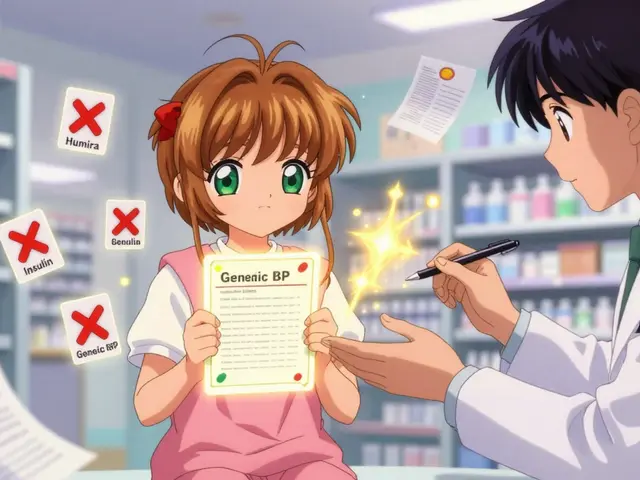
Generic vs Brand Name Drugs: What You Really Need to Know
When you pick up a prescription, you might see two names: one you recognize, and one that looks like a chemical code. The first is a brand name drug, a medication developed and marketed by a pharmaceutical company under a patent. Also known as proprietary drug, it’s often expensive because the company recovers research costs. The second is a generic drug, a copy of that brand-name drug that contains the same active ingredient, dosage, and intended use. Also known as generic medication, it’s approved by the FDA, the U.S. agency that ensures drugs are safe and effective before they reach patients and must meet the same strict standards.
Here’s the simple truth: a generic drug isn’t a weaker version—it’s the same medicine, just without the marketing budget. The generic vs brand debate isn’t about quality, it’s about cost. Brand drugs can cost hundreds of dollars a month. Generics? Often under $10. That’s because once a patent expires, other companies can make the same drug without repeating expensive clinical trials. The FDA requires generics to have the same active ingredient, strength, route of administration, and bioavailability. That means your body absorbs it the same way. But here’s where things get messy: fillers, coatings, and inactive ingredients can differ. For most people, that doesn’t matter. But for those with rare allergies or sensitive conditions—like epilepsy or thyroid disorders—those tiny differences can cause real issues. That’s why some patients report feeling different after switching, even when the active ingredient is identical.
Then there’s the system behind the price. Authorized generics, brand-name drugs sold under a generic label by the original manufacturer, can appear right when a patent expires, undercutting independent generic makers. And insurance companies? They often push generics—but not always because they care about your wallet. Sometimes it’s because they get rebates from pharmacy benefit managers. That’s why you might pay more with insurance than if you paid cash. It’s not broken—it’s just complicated. And it’s why knowing the difference between a generic and a brand isn’t just about saving money. It’s about understanding who controls your access to medicine.
What you’ll find below are real stories and clear breakdowns of how these drugs work, why prices jump around, when switching matters, and how to make sure you’re not overpaying. From the 180-day exclusivity loophole to how your pharmacist navigates insurance rules, these posts cut through the noise. You’ll learn what the FDA actually requires, why some people feel worse after switching to a generic, and how to spot when a "generic" isn’t really cheaper. No fluff. Just what you need to take control of your prescriptions.
How to Talk to Your Doctor About Generic vs. Brand-Name Medications
Learn how to talk to your doctor about generic vs. brand-name medications. Discover why generics are just as effective, how much you can save, and when to ask for the brand name instead.