Malaria prophylaxis: essential guide for travelers
When planning a trip to a malaria‑risk region, malaria prophylaxis, the practice of using medication to prevent malaria infection before, during, and after travel. Also known as preventive antimalarial therapy, it helps protect millions of travelers each year.
At the heart of any prophylactic plan are antimalarial drugs, medicines such as doxycycline, atovaquone‑proguanil, mefloquine, and chloroquine that stop Plasmodium parasites from establishing infection. Each drug has a unique dosing schedule, side‑effect profile, and regional efficacy. For example, doxycycline is taken daily and works well in many African countries, while atovaquone‑proguanil offers a shorter start‑up period but costs more. Choosing the right pill often means balancing convenience, price, and personal health factors.
Travel medicine, the field that combines vaccination, disease prevention, and health advice for people on the move provides the framework for malaria prophylaxis. Travel doctors evaluate destination risk maps, review a traveler’s medical history, and match that with the most suitable antimalarial regimen. They also discuss non‑drug measures—like insect‑repellent use, treated bed nets, and wearing long sleeves—because medication alone can’t block every bite.
Why drug resistance matters
One of the biggest challenges in malaria prevention today is drug resistance, the ability of Plasmodium parasites to survive despite exposure to standard treatments. Resistance to chloroquine forced health officials to switch to newer agents in many parts of Asia and Africa. Monitoring resistance trends is why travel clinics stay up‑to‑date with WHO reports and why they might recommend a combination therapy or a different drug class for certain regions.
Understanding resistance also ties into the broader conversation about medication safety that runs through many of our articles. Guides on buying cheap generic doxycycline or ivermectin teach readers how to verify pharmacy credentials, compare prices, and avoid counterfeit pills—critical steps when you need a reliable prophylactic drug.
Side effects are another practical concern. Doxycycline can cause sun sensitivity, mefloquine may trigger vivid dreams, and atovaquone‑proguanil sometimes leads to mild stomach upset. Our comparison pieces—like the one weighing Dapsone against alternatives or the Zithromax vs. other antibiotics guide—show how to weigh efficacy against tolerability, a skill that applies directly to picking a malaria preventive.
Timing is also essential. Most antimalarials require a lead‑in period of one to two days before exposure and a continuation window of four weeks after leaving the endemic area. Forgetting doses can reduce protection, so travel doctors often suggest setting daily alarms or using pill‑organizer apps. If you’re already on a chronic medication, discuss potential interactions; for instance, certain antiretrovirals can lower the effectiveness of atovaquone‑proguanil.
Cost considerations matter too. While brand‑name packages can be pricey, many travelers save money by purchasing verified generic versions online—just like our step‑by‑step tutorials for cheap generic Glucophage or Plavix. The same verification process applies to antimalarials: look for a licensed pharmacy, check the drug’s batch number, and confirm it matches the prescription.
Beyond the pills, adopting simple protective habits can cut your risk dramatically. Use DEET‑based repellents on exposed skin, treat clothing with permethrin, and sleep under insecticide‑treated nets when lodging lacks proper screening. Combining chemical, physical, and pharmaceutical defenses forms a layered approach that reduces reliance on any single method.
Our collection below pulls together the most relevant drug comparisons, safety tips, and travel health advice to help you build a personalized malaria‑prevention plan. Whether you’re looking for a quick rundown of doxycycline versus atovaquone‑proguanil, need guidance on buying safe generics, or want to understand how resistance trends affect your choice, the articles ahead give you actionable insights you can trust.
Ready to dive deeper? Explore the detailed guides below and equip yourself with the knowledge you need to stay malaria‑free on your next adventure.
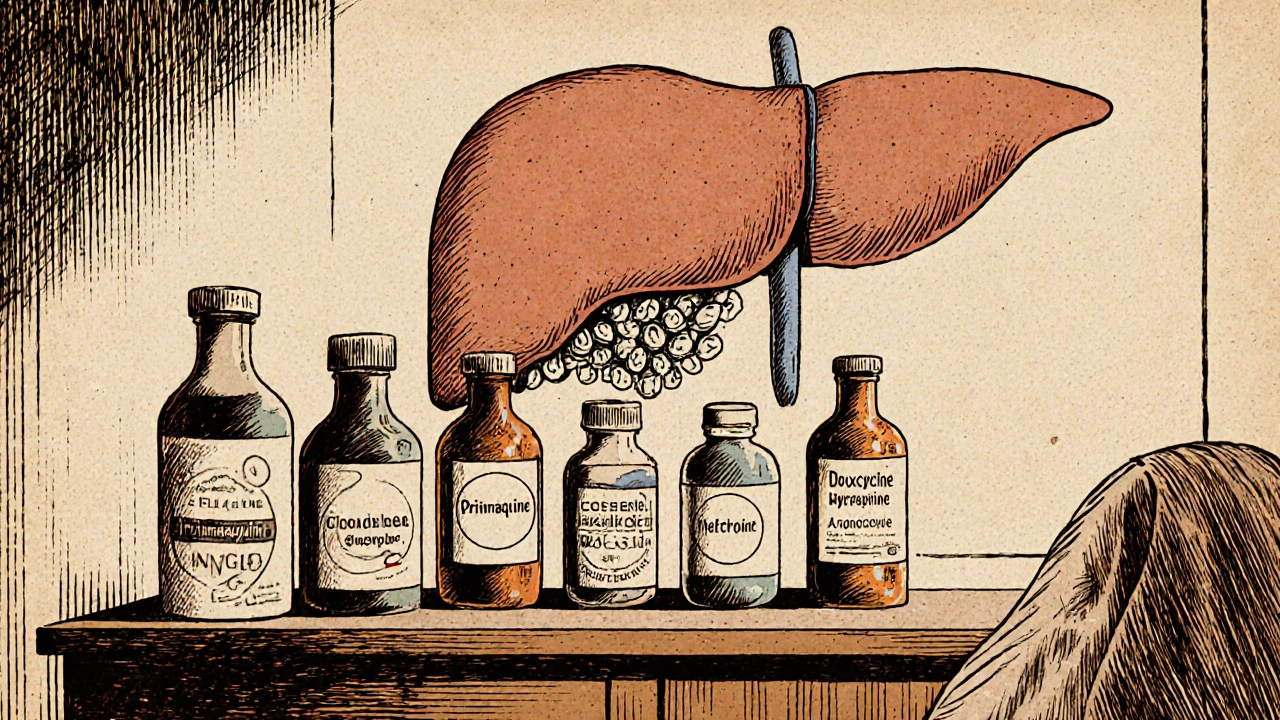
Primaquine vs Other Antimalarials: Detailed Comparison and When to Use Each
A thorough side‑by‑side comparison of primaquine with chloroquine, mefloquine, doxycycline, and atovaquone‑proguanil, covering uses, safety, cost, and how to choose the right antimalarial.