Pharmacy Benefit Managers: How They Control Your Drug Costs and Choices
When you pick up a prescription, you might not realize that pharmacy benefit managers, third-party companies that manage prescription drug programs for health plans. Also known as PBMs, they act as middlemen between drug makers, pharmacies, and insurers. They decide which drugs are covered, how much you pay, and even which pharmacies you can use. Most people don’t know PBMs exist—until their co-pay suddenly doubles or their usual medicine gets pulled from the formulary.
These companies don’t make drugs, but they control access to them. They strike deals with manufacturers: if a drug company gives them a big rebate, the PBM puts that drug at the top of the list, even if it’s more expensive than alternatives. That’s why you might see a $500 pill covered while a $50 generic is blocked. drug pricing, the cost of medications set by manufacturers, negotiated by PBMs, and passed on to patients becomes a game of hidden markups and secret discounts. insurance pharmacy networks, the list of pharmacies approved by your plan, often controlled by PBMs can limit you to just one or two nearby stores—even if another pharmacy down the street charges less.
It’s not just about price. PBMs also influence which treatments you can get. If your doctor prescribes a drug that’s not on the PBM’s approved list, you might need prior authorization, step therapy (try cheaper drugs first), or even pay out-of-pocket. This affects real people: someone with diabetes might be forced to try five cheaper meds before getting the one that actually works. Others can’t refill their meds because their pharmacy isn’t in-network, or they’re told their insurance won’t cover it at all. The prescription costs, what patients actually pay at the counter after insurance and rebates often have little to do with the drug’s true value.
What you’ll find in the posts below aren’t abstract theories—they’re real stories about how these systems impact people. You’ll see how pharmacy benefit managers quietly shape everything from antibiotic access to diabetes care. You’ll learn why a cholesterol drug might be blocked, why a generic version suddenly disappears, and how some patients end up paying hundreds more just because of a PBM’s contract with a drug maker. These aren’t edge cases. They’re everyday realities for millions. If you’ve ever been confused by your prescription bill, this is why.
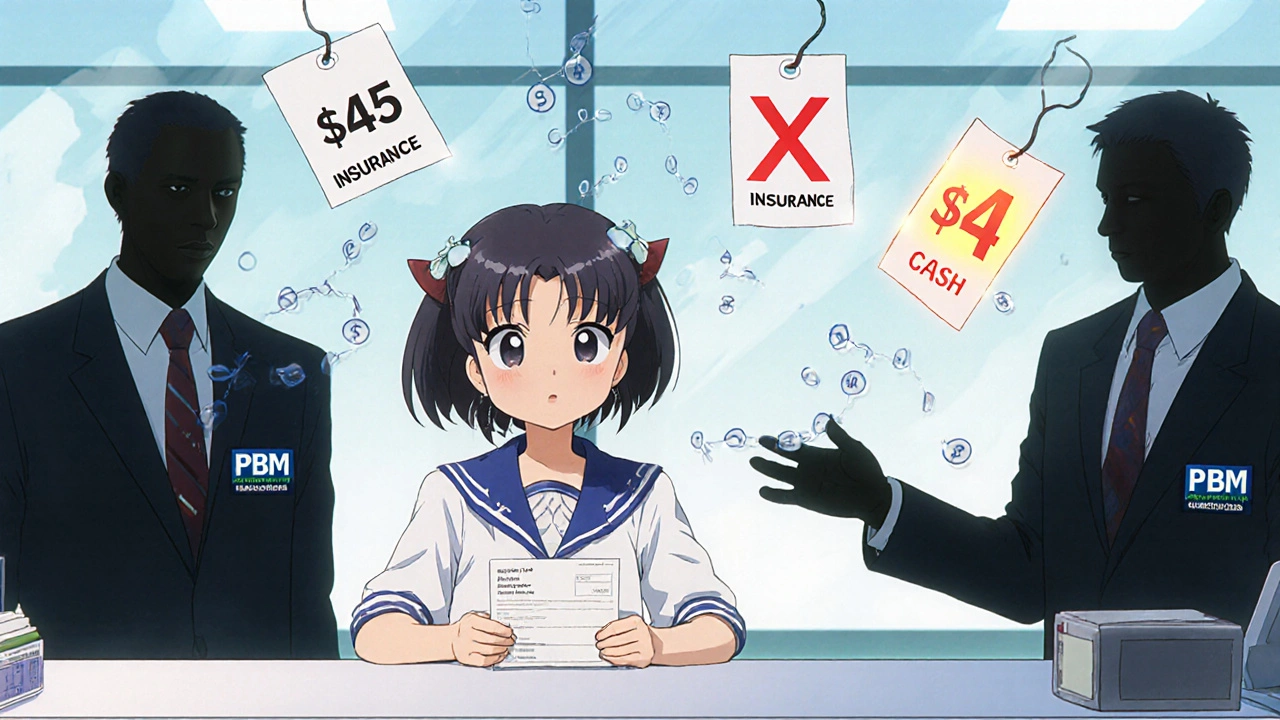
How Insurer-Pharmacy Negotiations Set Generic Drug Prices in the U.S.
Generic drugs are supposed to be cheap, but insurance often makes them more expensive than paying cash. Here’s how insurer-pharmacy negotiations set prices-and how you can beat the system.