Severe Pancreatitis Signs: What to Watch For and When to Act
When your pancreas gets severely inflamed, it doesn’t just hurt—it can shut down vital systems in your body. Severe pancreatitis, a dangerous inflammation of the pancreas that can lead to organ failure and death if untreated. It’s not the same as mild pancreatitis, which might feel like a bad stomachache. This is a medical emergency. The pain doesn’t come and go. It’s constant, deep, and often wraps around your upper belly like a belt, shooting straight into your back. You might feel nauseous, vomit, and break out in cold sweats—even if you haven’t eaten anything bad.
People often mistake severe pancreatitis for indigestion or a stomach bug. But if the pain lasts more than a few hours, gets worse after eating, or you start feeling dizzy or breathing fast, you’re not dealing with something harmless. Acute pancreatitis, the sudden form of this condition that requires immediate treatment. It’s what happens when digestive enzymes turn on the pancreas itself instead of the intestines. Common triggers include gallstones, heavy alcohol use, high triglycerides, or certain medications. If you’ve had pancreatitis before, you’re at higher risk for it coming back—and harder this time.
Other red flags include yellowing skin or eyes (jaundice), a swollen or tender belly, fever over 101°F, and a rapid heartbeat. These aren’t just discomforts—they signal your body is struggling to cope. In severe cases, fluid leaks into the abdomen, organs like the kidneys or lungs start failing, and infection can spread. That’s why hospital care is critical. Blood tests, CT scans, and ultrasound help doctors confirm the diagnosis and measure how bad it is.
What you won’t see in online symptom checkers is how fast this can turn deadly. Some people feel fine one day and are in ICU the next. There’s no home remedy. No tea, no fasting, no massage will fix it. Delaying care increases your chance of complications like pseudocysts, necrosis, or sepsis. If you’ve got the signs—especially if you drink heavily, have gallstones, or take medications like diuretics or certain diabetes drugs—don’t wait. Go to the ER.
Below, you’ll find real patient stories, doctor-approved advice, and clear explanations of what happens inside your body during a flare-up. You’ll learn how to spot early warning signs before they become crises, understand which medications might be hiding risks, and find out what tests actually matter. This isn’t theory. These are the facts that save lives.
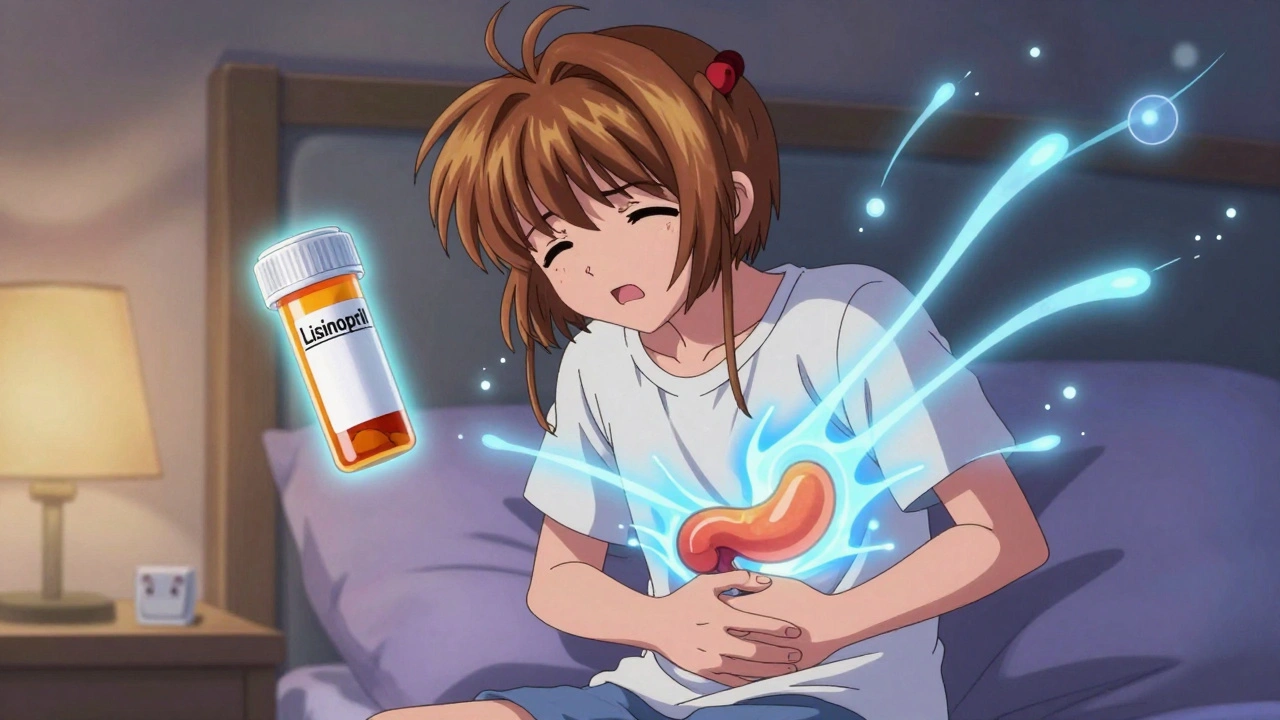
Severe Pancreatitis from Medications: Warning Signs and Treatment
Drug-induced severe pancreatitis is rare but deadly. Learn the warning signs, high-risk medications, and urgent treatment steps that can save your life. Early action can mean full recovery.