Understanding Uterine Lining Overgrowth (Endometrial Hyperplasia)
Have you ever wondered what happens when the lining of your uterus grows thicker than it should? This condition is known as uterine lining overgrowth or medically as endometrial hyperplasia. It's a common issue many women face, especially those going through hormonal changes, but it’s not something to ignore.
Simply put, the uterine lining (endometrium) prepares each month to support a pregnancy. If no pregnancy occurs, this lining usually sheds during your period. But when the cells in this lining multiply too much, the lining thickens more than normal. This can cause irregular bleeding or spotting outside your usual cycle.
Common Causes and Symptoms to Watch For
The main driver behind uterine lining overgrowth is excess estrogen without enough progesterone to balance it. This hormone imbalance can happen for different reasons like polycystic ovary syndrome (PCOS), obesity, or hormone therapy. Women who are perimenopausal or postmenopausal also have a higher risk because hormone levels fluctuate.
Symptoms often include heavy or prolonged menstrual bleeding, spotting between periods, or bleeding after menopause. Some women might not notice symptoms until a doctor finds the thickening during tests. It’s important to keep track of any changes in your cycle or unusual bleeding and discuss them with a healthcare provider promptly.
How Is It Diagnosed and Treated?
Diagnosing uterine lining overgrowth typically involves an ultrasound to measure the thickness of the endometrium, and sometimes a biopsy to rule out more serious conditions. These tests give a clear picture of the tissue and help guide the next steps.
Treatment depends on the severity and the type of overgrowth. Mild cases might be managed with hormone therapy to restore balance. For more serious changes, doctors may recommend procedures like endometrial ablation or even surgery in rare cases. The goal is to prevent progression and protect uterine health.
Remember, uterine lining overgrowth is manageable if addressed early. If you notice abnormal bleeding or have concerns about your menstrual health, don’t hesitate to see a gynecologist. Staying informed and proactive is your best bet for keeping things in check.
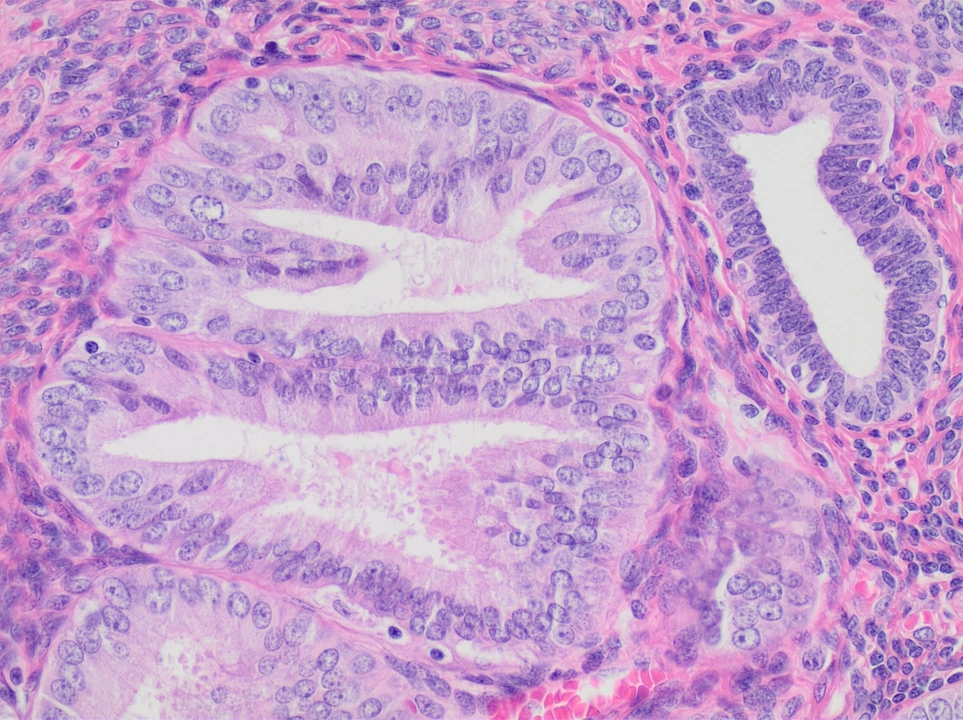
The Role of Supplements in Managing Overgrowth in the Uterine Lining
In my recent research, I discovered the crucial role supplements can play in managing overgrowth in the uterine lining, a condition known as endometrial hyperplasia. By incorporating supplements like omega-3 fatty acids, vitamin D, and curcumin, we can effectively promote hormonal balance and reduce inflammation. These natural remedies have shown promising results in preventing and treating this condition. It's essential to consult with a healthcare professional before starting any new supplement regimen, as they can provide personalized guidance based on individual needs. Overall, the use of supplements offers a promising and natural approach to managing endometrial hyperplasia.