Varicella‑Zoster Virus: Quick Guide to Chickenpox, Shingles and More
You've probably heard the terms "chickenpox" and "shingles" before, but both are caused by the same germ – the varicella‑zoster virus (VZV). Knowing how this virus works can help you spot it early, treat it right, and keep it from spreading.
How VZV Spreads and Shows Up
VZV spreads through tiny droplets when an infected person coughs or sneezes, and also by touching the fluid from a rash blister. Kids catch it at school, adults can pick it up from a family member, and the virus can hide in your nerves for years after the first infection.
When you first get infected, you get chickenpox. It starts with a fever, headache, and an itchy rash that turns into fluid‑filled bumps. The bumps pop, crust over, and usually disappear in a week. Most healthy kids bounce back without problems.
After chickenpox heals, VZV doesn’t leave your body. It settles in nerve cells and can reactivate later as shingles. Shingles shows up as a painful, stripe‑like rash on one side of the body, often on the torso or face. The pain can linger for weeks (post‑herpetic neuralgia), especially in older adults.
Treatment and Prevention Tips
If you think you have chickenpox, keep the skin clean, use cool baths or calamine lotion to ease itching, and stay hydrated. Over‑the‑counter pain relievers like acetaminophen can reduce fever. Avoid aspirin in kids – it’s linked to Reye’s syndrome.
For shingles, the best move is to see a doctor quickly. Antiviral pills (acyclovir, valacyclovir, famciclovir) work best if started within 72 hours of the rash. They can shorten the outbreak and lower the chance of lingering nerve pain.
The most reliable way to keep VZV in check is vaccination. The childhood chickenpox vaccine (varicella) is given in two doses and stops most cases before they start. Adults who never had chickenpox or the vaccine should get two doses, especially if they work in health care or plan to have a baby.
Shingles vaccines (Shingrix) are recommended for adults 50 years and older, even if they’ve had shingles before. The shot is given in two doses a few months apart and cuts the risk of shingles by about 90 %.
Good hygiene also helps. Wash hands often, avoid sharing towels or razors with someone who has an active rash, and keep any blisters covered with a clean bandage.
When to call a doctor? Seek medical help if you have a fever above 101 °F, rash that won’t stop spreading, signs of infection (redness, swelling, pus), or severe pain. Pregnant women, newborns, and people with weak immune systems should get checked right away, as VZV can cause serious complications.
Bottom line: VZV is common, but it’s manageable. Vaccines, early antivirals, and simple home care keep most people safe. Keep an eye on symptoms, act fast, and you’ll likely beat the virus without a hitch.
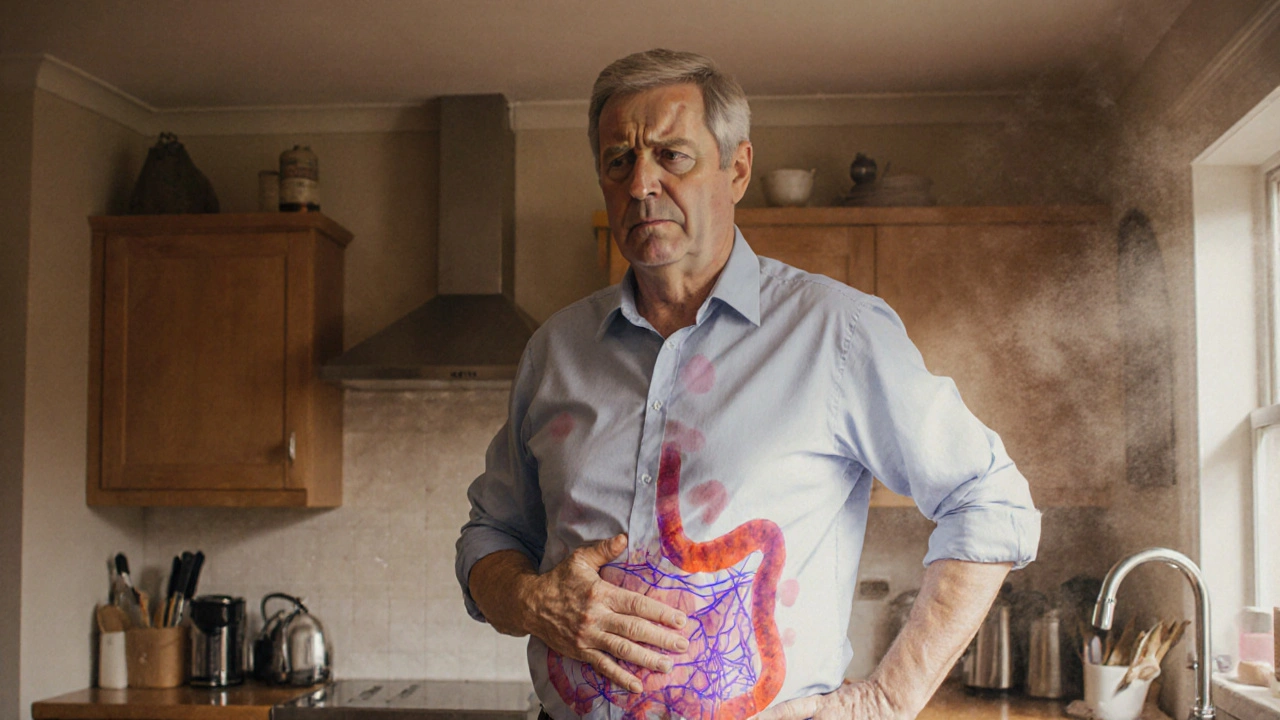
Shingles and Your Gut: How the Virus Impacts Digestive Health
Explore how shingles can affect your digestive system, recognize gut‑related symptoms, and learn practical steps to protect your gut health.