180-Day Exclusivity: What It Means for Generic Drugs and Your Prescription Costs
When a brand-name drug’s patent runs out, the 180-day exclusivity, a legal incentive granted to the first generic manufacturer to challenge a patent and win. Also known as generic market exclusivity, it gives one company the right to sell the generic version alone for six months before others can join. This isn’t a patent extension—it’s a reward under the Hatch-Waxman Act, a 1984 law designed to balance innovation and affordability in the U.S. drug market. The goal? Encourage generic companies to take legal risks to break monopolies and drive prices down. But here’s the catch: that savings doesn’t always reach you right away.
The generic drug market, the system where cheaper versions of brand-name medicines enter circulation after patent expiration depends on this exclusivity to kickstart competition. Without it, most generic makers wouldn’t bother suing over patents—too expensive, too risky. But when one company wins, they get a head start. During those 180 days, they’re the only one selling the generic. That sounds great—until you realize they might not lower prices much, or they might delay launching the drug entirely. Some companies even sit on the exclusivity, waiting for competitors to give up, or sell the rights to another firm that never releases the drug. That’s why you might still see high prices months after a patent expires.
This system connects directly to why you see some generic drugs suddenly appear on shelves, while others stay expensive. It’s also why your pharmacy might say a drug is "not available in generic" even when the patent’s expired. The drug patents, legal protections that give brand-name makers exclusive rights to sell their drugs for up to 20 years are just the start. Companies use tricks—like new formulations, delivery methods, or combo pills—to extend their control. The 180-day window is meant to break that cycle. But when it’s misused, patients pay the price.
What you’ll find in the posts below are real stories about how this system affects your prescriptions. From why your blood pressure pill costs more than it should, to how a generic switch can trigger unexpected side effects, these articles cut through the noise. You’ll learn how insurers and pharmacies play into this, how to spot when a generic isn’t really cheaper, and what to ask your pharmacist when a drug suddenly disappears from your formulary. This isn’t just about law or pharma policy—it’s about your wallet and your health.
180-Day Exclusivity and Authorized Generics: What You Need to Know About U.S. Drug Market Laws
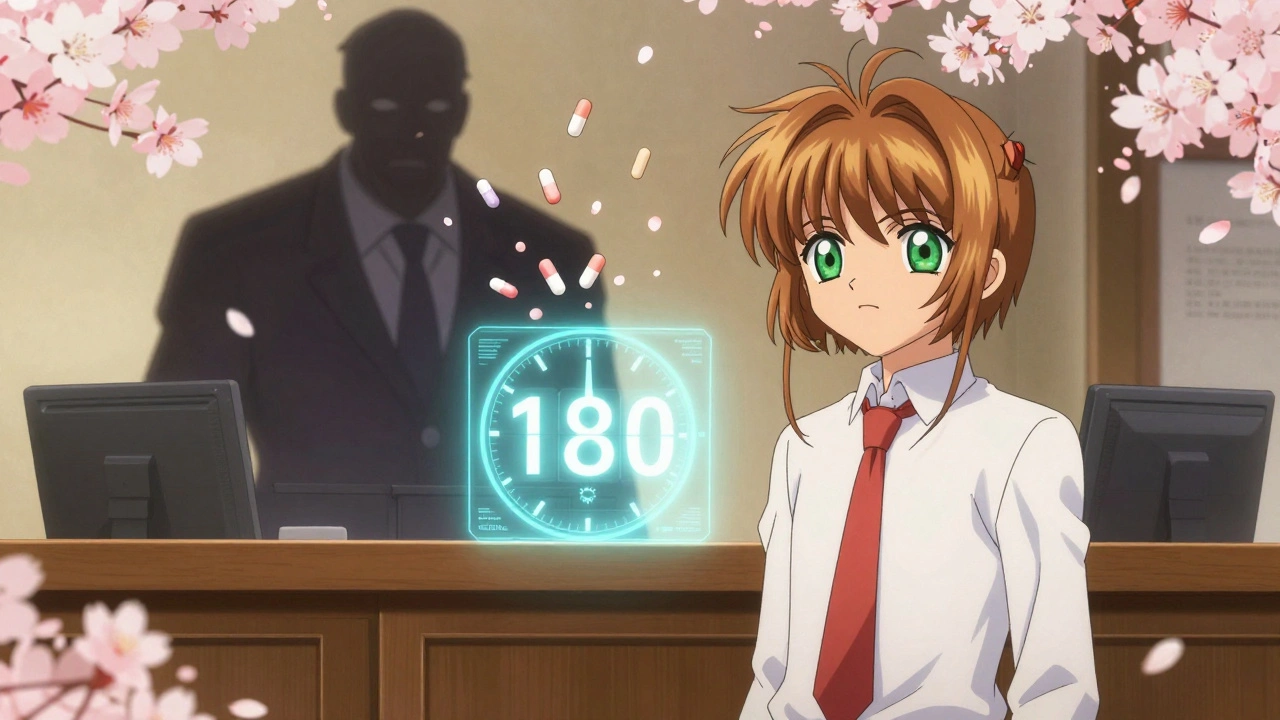
The 180-day exclusivity rule was meant to reward generic drug makers who challenge patents. But authorized generics let brand companies undercut them. Here’s how the law works, who wins, who loses, and why it’s broken.