Bone Health: Keep Your Bones Strong and Healthy
Taking care of your bones is key to staying active and feeling good as you get older. Strong bones help you move easily and avoid fractures or osteoporosis later in life. Let’s talk about what really matters for bone health and how you can support your skeleton every day.
Why Are Bones So Important?
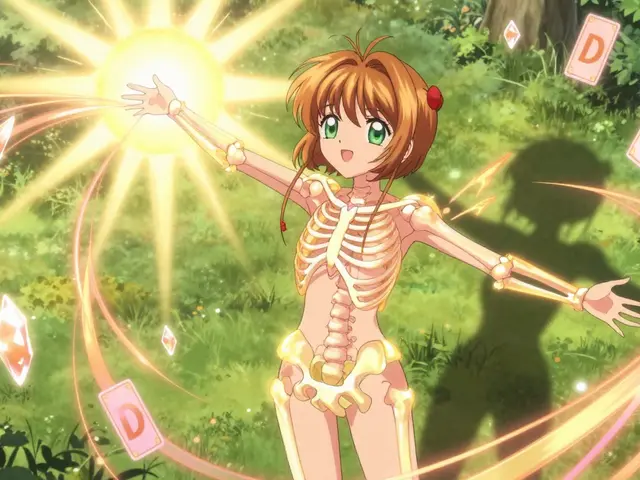
Bones are more than just a framework for your body; they protect your organs and store essential minerals like calcium and phosphorus. When bones get weaker, you risk breaks or conditions like osteoporosis, which makes bones fragile. So, it’s smart to build up bone strength now and maintain it throughout life.
Simple Ways to Boost Your Bone Strength
One of the best things you can do for your bones is to eat foods rich in calcium and vitamin D. Calcium acts like a brick for building bones, while vitamin D helps your body absorb that calcium better. Dairy products, leafy greens, and fortified foods are great sources. If you don't get enough sunlight (your body makes vitamin D with sun exposure), consider supplements after talking to your doctor.
Besides nutrition, staying active is crucial. Weight-bearing exercises like walking, jogging, or even dancing send signals to your bones to stay strong. You don’t have to run a marathon—just moving regularly helps. Resistance training with light weights or bands also promotes bone density.
Avoid habits that harm your bones. Smoking and excessive alcohol intake can weaken your bone structure. Try to quit smoking and keep alcohol consumption within recommended limits. Your bones will thank you.
Watching your bone health is especially important as you age. Small tests like bone density scans can catch early signs of weakening bones so you can act early. Talk to your doctor if you have a family history of osteoporosis or if you’re over 50, especially women after menopause.
In the end, caring for your bones means fewer worries about fractures and more freedom to enjoy daily life. Simple steps like good nutrition, staying active, and avoiding harmful habits can make a big difference. Start today and help your bones stay strong for years to come!

Vitamin D and Bone Health: What Really Works for Targets and Supplements
Vitamin D supports bone health by helping absorb calcium, but most healthy adults don't need supplements. New research shows high doses may harm bone density. Test your levels first, then supplement only if deficient.
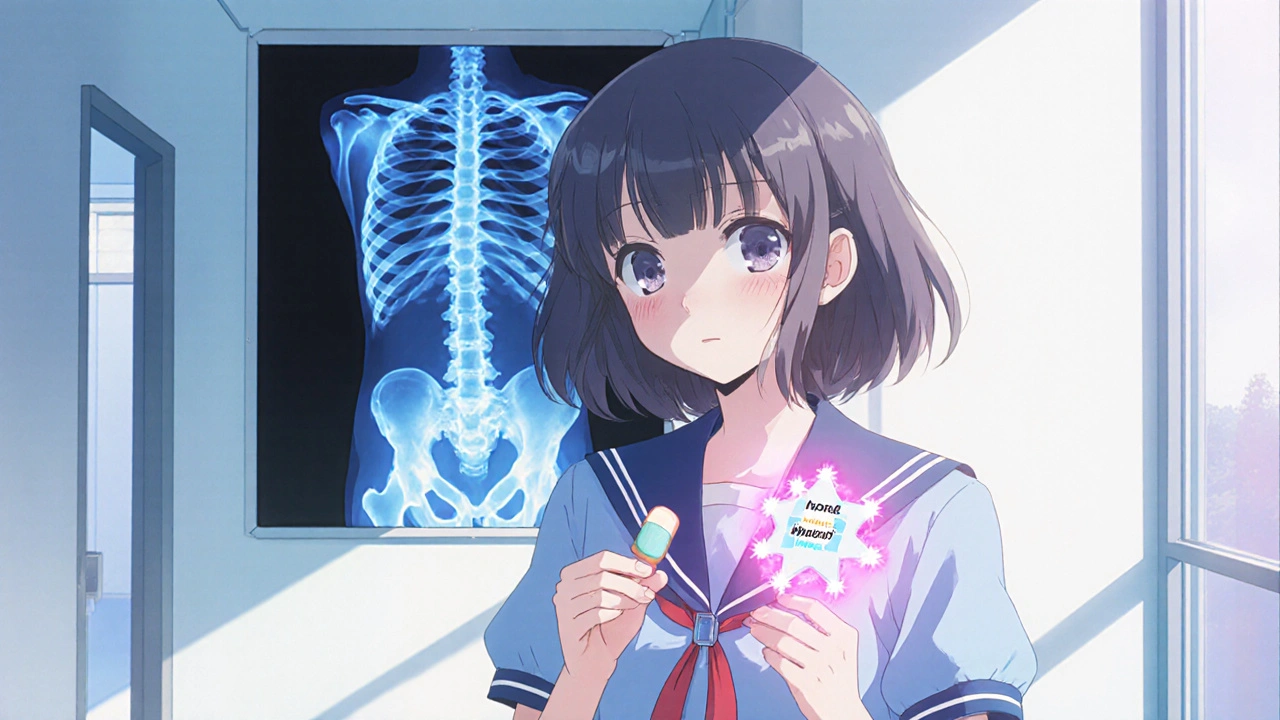
Drospirenone and Bone Health: Effects, Risks, and Benefits
Drospirenone can help maintain bone density, but its benefits depend on age, duration, and lifestyle. Learn how the hormone works, what studies show, and practical tips for safe use.
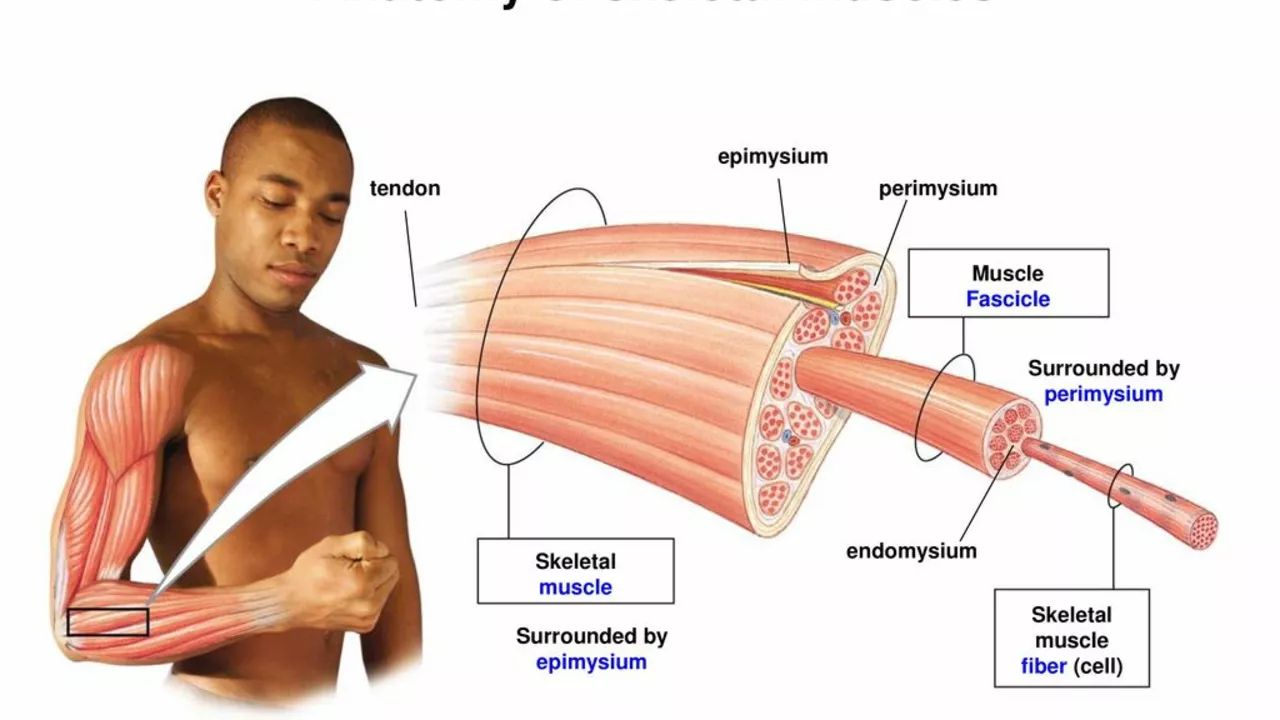
The Connection Between Skeletal Muscle Conditions and Bone Health
In my recent exploration of the link between skeletal muscle conditions and bone health, I've discovered a fascinating connection. It's apparent that these two aspects of our body are closely intertwined, with poor muscle health often leading to weakened bones. Muscle conditions like sarcopenia can increase the risk of developing osteoporosis, showing how crucial it is to maintain muscle health for overall bone strength. It's clear that exercise and a balanced diet play huge roles in keeping both muscles and bones healthy. It's really a reminder to take care of our bodies as a whole, because everything is interconnected.