Drug-Induced Pancreatitis: Causes, Common Medications, and What to Watch For
When a medication triggers inflammation in your pancreas, it’s called drug-induced pancreatitis, a rare but serious side effect caused by certain prescription and over-the-counter drugs. Also known as medication-related pancreatitis, it’s not something you’d expect from a pill meant to help you—until your stomach starts screaming.
It’s not common, but it’s real. About 5% to 10% of all pancreatitis cases come from drugs, not alcohol or gallstones. Some of the usual suspects include azathioprine, an immunosuppressant used for autoimmune diseases and transplants, valproic acid, a seizure and mood stabilizer, and even doxycycline, an antibiotic often taken for acne or infections. Even common painkillers like NSAIDs, nonsteroidal anti-inflammatory drugs such as ibuprofen or naproxen, can do it in rare cases. The problem? These drugs don’t always warn you. You might be taking them for months before your pancreas says, "Enough."
What does it feel like? Sudden, sharp pain in your upper belly that radiates to your back. Nausea. Vomiting. Fever. It can come on fast—sometimes within days of starting a new drug. If you’ve been on a new medication and suddenly feel this way, don’t wait. Get checked. The pancreas doesn’t heal well if you ignore it.
Doctors often miss it because they’re looking for gallstones or heavy drinking. But if you don’t drink, don’t have gallstones, and your pain started after a new prescription? That’s a red flag. Blood tests for amylase and lipase, plus a CT scan, can confirm it. The fix? Stop the drug. Usually, that’s enough. Your pancreas can bounce back—if you catch it early.
And here’s the twist: sometimes it’s not the drug itself, but how it interacts with your body. If you’re on multiple meds—say, a blood pressure pill, a diabetes drug, and an antibiotic—that’s when things get risky. Drug-induced pancreatitis thrives in complexity. That’s why knowing what you’re taking matters more than ever.
You’ll find posts here that dig into how generics can sometimes cause unexpected reactions, why some drugs are more dangerous than they look, and how to spot hidden risks in your medicine cabinet. Whether you’re managing a chronic condition, switching prescriptions, or just trying to stay safe, this collection gives you the facts—not the fluff. You don’t need to guess what’s hurting you. Let the data show you.
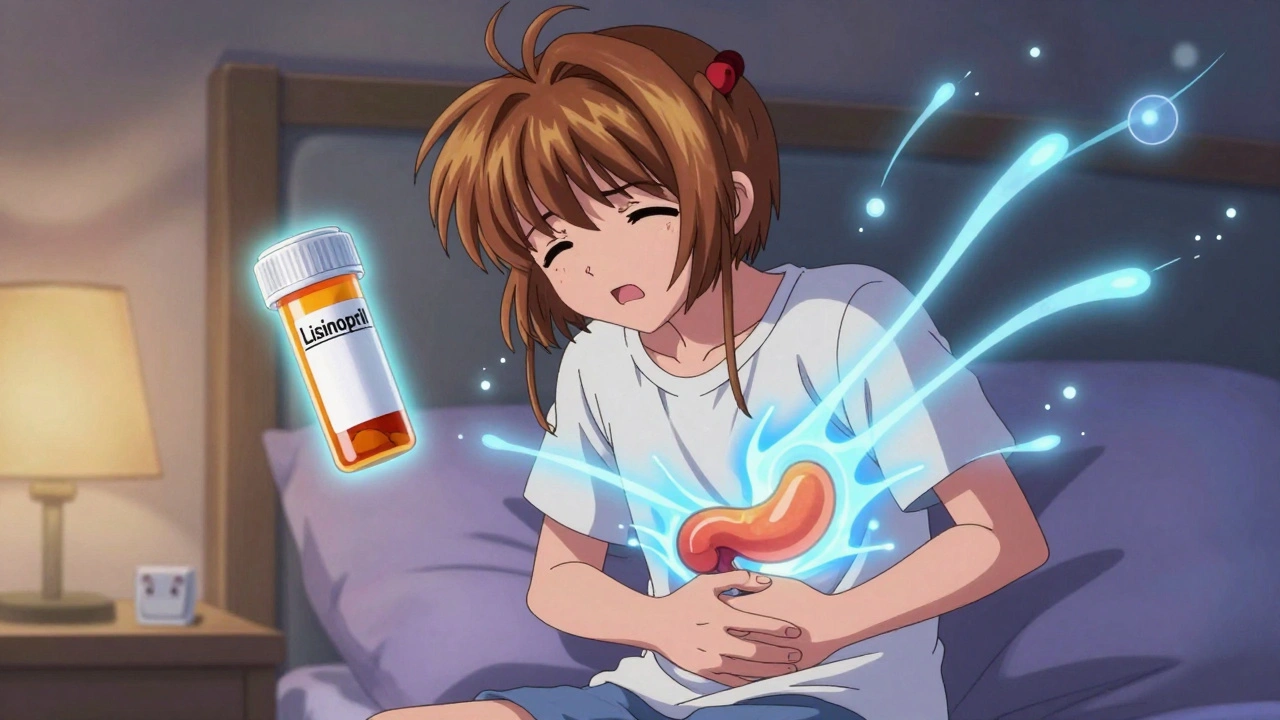
Severe Pancreatitis from Medications: Warning Signs and Treatment
Drug-induced severe pancreatitis is rare but deadly. Learn the warning signs, high-risk medications, and urgent treatment steps that can save your life. Early action can mean full recovery.