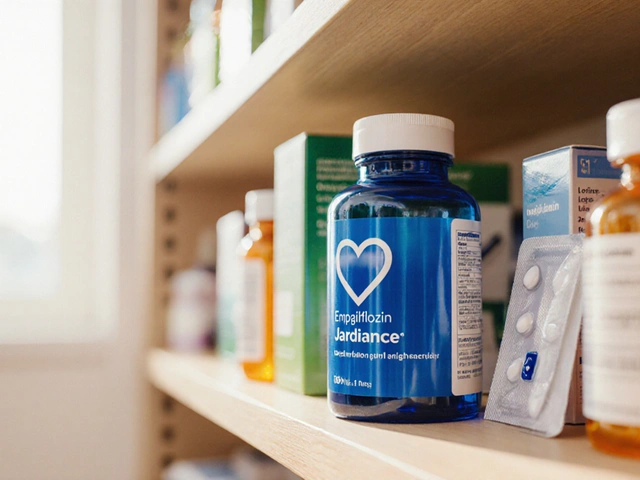
Drug Interactions: What You Need to Know
Ever taken a couple of pills and wondered if they might be fighting each other inside your body? You’re not alone. Drug interactions happen more often than most people think, and they can turn a simple treatment into a health headache. This guide breaks down the basics, shows you how to spot risky combos, and gives practical steps to keep your meds working the way they should.
Why Interactions Matter
When two drugs meet, they can change how each other is absorbed, broken down, or eliminated. Sometimes that means one medicine becomes stronger, sometimes weaker, and occasionally it creates new side effects. A common example is an over‑the‑counter painkiller like ibuprofen paired with a blood‑thinning prescription such as warfarin. The ibuprofen can raise the risk of bleeding because it interferes with how warfarin works.
These changes aren’t just theory— they can lead to real problems like nausea, dizziness, or more serious issues like kidney damage or dangerous heart rhythms. Knowing the basics helps you avoid a trip to the ER and keeps your treatment on track.
How to Spot Problematic Mixes
Here are three quick ways to catch trouble before it starts:
- Read the label. Look for sections titled “Interactions” or “Precautions.” Even vitamins can interact, so check those too.
- Ask your pharmacist. A quick chat can reveal hidden clashes, especially if you’re adding a new prescription or a supplement.
- Use reliable online tools. Websites like Drugs.com or Medscape let you type in multiple meds and see a list of potential interactions.
Don’t rely on memory alone—medicine names can be long and confusing. Write down every pill, herbal product, and over‑the‑counter drug you take, then review the list with a professional.
Some interactions are predictable. For instance, antibiotics such as ciprofloxacin can raise the level of certain blood‑sugar meds, making you feel shaky. Knowing these patterns helps you stay alert.
If you notice new symptoms after starting a combo—like a weird rash, sudden dizziness, or trouble breathing—stop the new drug (if safe) and contact your doctor right away. It’s better to be safe than sorry.
Finally, remember that timing matters. Taking two drugs at different times of day can sometimes avoid an interaction. Your pharmacist can suggest the best schedule.
Staying on top of drug interactions doesn’t have to be a full‑time job. A little habit of checking labels, asking questions, and using trusted tools can keep your medicine routine smooth and safe.
Ready to take control? Write down your current meds, flag any that sound unfamiliar, and schedule a quick review with your pharmacist. Your health deserves that extra check.

Grapefruit Juice Interactions: Why Some Medications Are Affected
Grapefruit juice can dangerously increase levels of many common medications by blocking enzymes that break them down. Over 85 drugs are affected, with statins, blood pressure meds, and immunosuppressants at highest risk. Avoid grapefruit entirely if you take any of these.
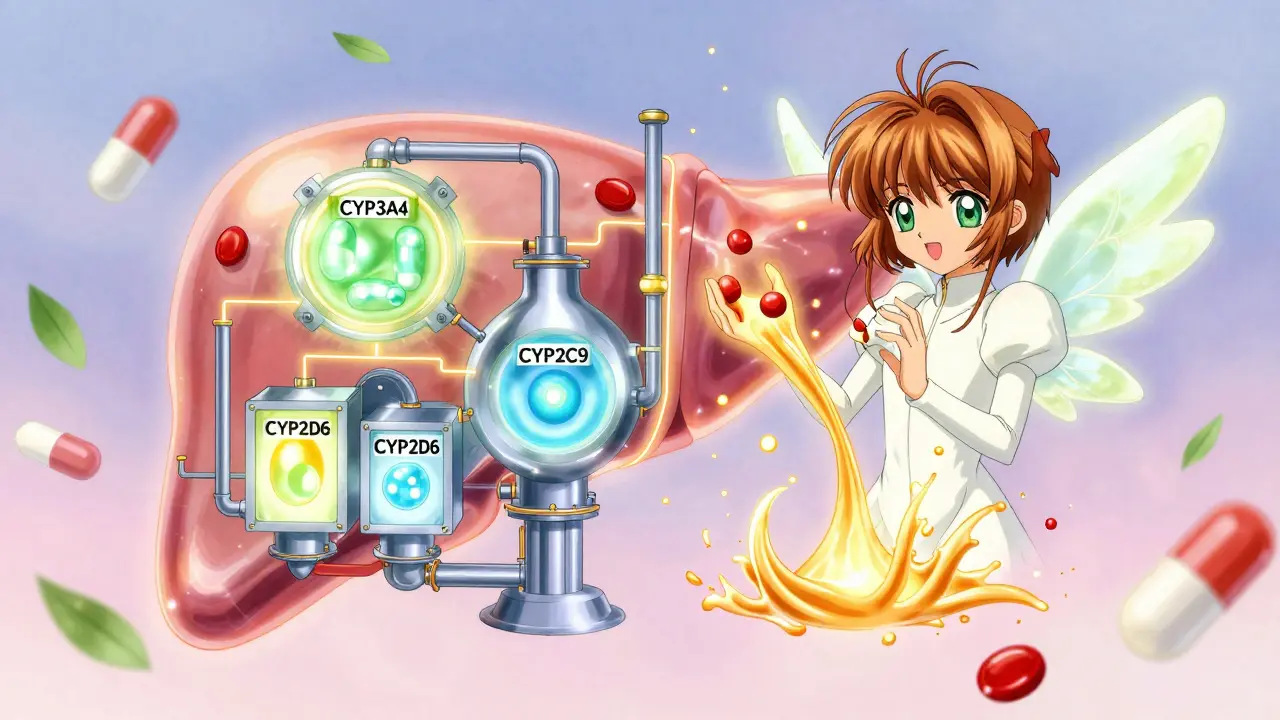
Milk Thistle and Liver-Metabolized Drugs: What You Need to Know About Enzyme Interactions
Milk thistle may support liver health, but it can interfere with how your body processes medications like warfarin, statins, and seizure drugs. Learn the real risks, which drugs are affected, and how to stay safe.

Abacavir and COVID-19: Essential Facts for Patients and Clinicians
Learn how the HIV drug Abacavir works amid the COVID-19 pandemic, covering safety, drug interactions, vaccine response, and clinical guidance.