All About Prazosin: What It Does and How to Use It
If you’ve heard about prazosin but aren’t clear on what it’s for, you’re not alone. It’s mainly known as a medication for lowering blood pressure, but it does a lot more than that. Doctors often prescribe it to help with symptoms from PTSD, especially nightmares. Let’s break down what prazosin does, how it might help you, and what to watch out for.
What Is Prazosin Good For?
Prazosin belongs to a group of drugs called alpha-blockers. It works by relaxing your blood vessels, which helps lower your blood pressure and makes it easier for your heart to pump. If your doctor has mentioned it for high blood pressure, that’s the basic idea. But interestingly, it’s also used off-label to tame PTSD symptoms like bad dreams and night sweats. Many people find it really helpful in getting better sleep and reducing anxiety linked to trauma.
It’s taken by mouth, usually starting at a low dose. Your doctor will adjust it slowly to find the right amount for you, because everyone’s body reacts differently. Don’t change the dose on your own; communicate any side effects or issues you notice.
What Should You Watch For?
Like any medication, prazosin comes with some side effects. The most common are dizziness, especially when standing up quickly, headaches, and feeling tired. That dropping blood pressure feeling can catch you off guard, so take it easy when standing or moving around at first.
A key safety tip: avoid drinking alcohol or using other blood pressure meds without telling your doctor. Mixing can send your blood pressure too low and make you feel weak or faint.
If you notice swelling, chest pain, or severe shortness of breath, contact your healthcare provider immediately. These could be signs of serious problems needing quick attention.
Also, don’t stop taking prazosin suddenly — do so only under medical advice, because sudden withdrawal might cause blood pressure spikes or other issues.
Overall, prazosin is a versatile drug helping people with conditions that go beyond what you’d expect from a blood pressure medication. Talking openly with your doctor about what you’re experiencing and being cautious with changes will ensure you get the best results without surprises.
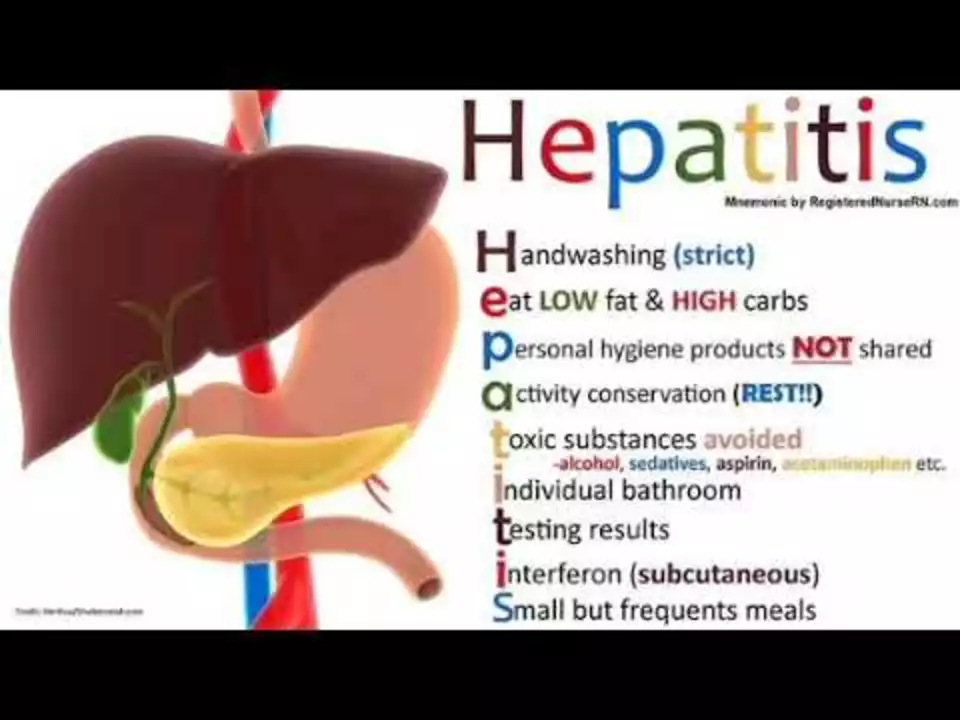
Prazosin and Liver Disease: What You Need to Know
As a blogger, I recently came across some important information about Prazosin and its relation to liver disease that I feel compelled to share with my readers. Prazosin is a medication commonly prescribed to treat high blood pressure, and it's crucial to be aware of its potential impact on those with liver disease. Research has shown that Prazosin can be metabolized differently in individuals with liver problems, potentially leading to an increased risk of side effects or complications. It's essential for those with liver disease to consult their healthcare provider before taking Prazosin to discuss potential risks and alternative treatment options. Remember, being informed is key to managing your health, so don't hesitate to ask questions and gather information about any medications you may be taking.