Generic Medications: What They Are, How They Work, and Why Prices Don't Always Add Up
When you hear generic medications, lower-cost versions of brand-name drugs that contain the same active ingredients and meet the same FDA standards. Also known as generic drugs, they are meant to make treatment affordable without sacrificing safety or effectiveness. But here’s the catch: not all generics are created equal, and the system meant to keep prices low often works against you.
Behind the scenes, authorized generics, brand-name drugs sold under a generic label by the original manufacturer are used to squeeze out independent generic makers during their 180-day exclusivity window. This tactic, allowed under the Hatch-Waxman Act, a 1984 law designed to balance innovation and access by speeding up generic approval, was supposed to encourage competition. Instead, it created a loophole where the brand company undercuts its own generic version—leaving patients with little real choice.
Then there’s the price game. Even though generic drug prices, the cost of medications after patent expiration, typically 80-85% lower than brand names should be cheap, insurance formularies and pharmacy benefit managers often make them more expensive than paying cash. You might pay $40 with insurance but only $10 out-of-pocket. That’s not a mistake—it’s how the system is built.
And it’s not just about cost. Switching from a brand to a generic—or even between two generics—can trigger real side effects in people with conditions like epilepsy, depression, or high blood pressure. That’s because inactive ingredients, fillers, and coating differ between manufacturers. These changes don’t affect the drug’s strength, but they can affect how your body absorbs it. For some, that’s enough to feel worse, even when the label says it’s "the same."
Why Your Insurance Might Block the Cheaper Option
Insurance companies often require you to try a specific generic first—called step therapy. Or they’ll deny coverage on a combination pill for high blood pressure, even if it cuts your daily pills in half. Pharmacists fight these rules daily, using tools like gold carding and electronic prior authorization to get you what you need. But you shouldn’t have to be an expert just to get your meds.
What you’ll find below are real stories and clear breakdowns of how generic medications actually work in the U.S. system. From how patent extensions delay cheaper versions to why some people feel different after switching, these posts cut through the noise. You’ll learn how to read labels, spot hidden costs, and navigate insurance hurdles—so you’re not left guessing why your prescription cost went up, or why you suddenly feel off after a refill.
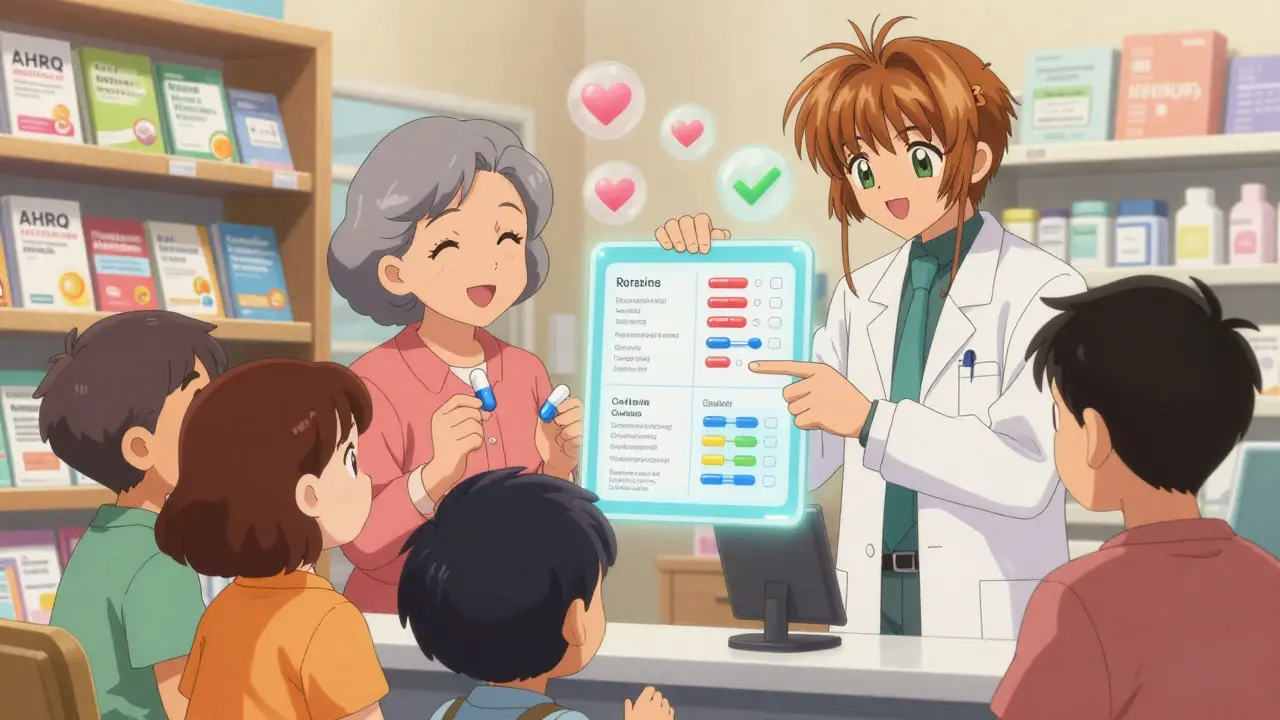
Spanish-Language Resources on Generic Medications for Patients
Spanish-language resources on generic medications help patients understand that cheaper pills are just as effective. Clear tools, visual aids, and region-specific terms reduce confusion and improve adherence.
How to Talk to Patients About Generic Medications: Proven Communication Strategies
Patients often refuse generic medications due to misconceptions about quality and effectiveness. Learn proven communication strategies pharmacists and providers can use to build trust, clarify misconceptions, and increase adherence-backed by clinical research and real-world data.
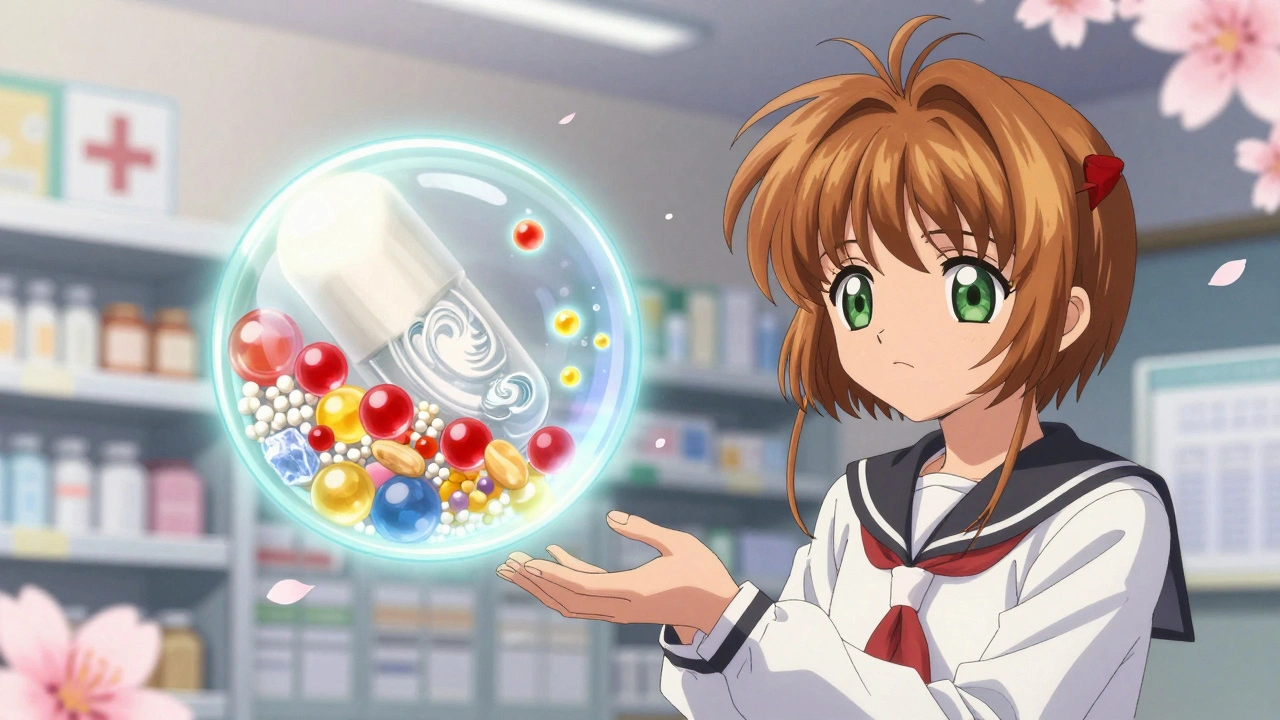
Inactive Ingredients in Generic Medications: What You Need to Know
Generic medications save money but may contain different inactive ingredients than brand-name drugs. These fillers can trigger allergies, digestive issues, or reactions in sensitive individuals. Learn what to look for and how to protect yourself.
Generic Medications: How They Save Patients Thousands on Prescription Costs
Generic medications offer the same effectiveness as brand-name drugs at up to 85% lower cost. Learn how they work, how much you can save, and how to make sure you’re getting the best price on your prescriptions.
How to Talk to Your Doctor About Generic vs. Brand-Name Medications
Learn how to talk to your doctor about generic vs. brand-name medications. Discover why generics are just as effective, how much you can save, and when to ask for the brand name instead.