Inactive Ingredients: What’s Really in Your Pills and Why It Matters
Every pill, capsule, or tablet you swallow contains more than just the medicine you’re after. Hidden inside are inactive ingredients, substances added to medications that have no therapeutic effect but are essential for making the drug work properly. Also known as excipients, these include fillers, binders, dyes, and preservatives—things like lactose, cornstarch, or titanium dioxide. They don’t treat your condition, but they can change how your body reacts to the drug. For most people, they’re harmless. For others, they’re the reason their allergies flare up, their stomach gets upset, or their medication just doesn’t seem to work like it should.
Take generic medications, lower-cost versions of brand-name drugs that contain the same active ingredient. Also known as generic drugs, they’re required by the FDA to match the brand in strength, dosage, and effect—but not in the inactive ingredients. That’s why two people taking the same generic pill might have different experiences. One might feel fine; another might get a rash from the dye, or bloating from lactose. If you’re sensitive to gluten, dairy, or certain food dyes, those hidden ingredients could be silently sabotaging your health. And if you’ve ever switched from a brand-name drug to a generic and noticed a change in how you feel, it’s not all in your head—sometimes, it’s the fillers.
Medication switching, the act of changing from one version of a drug to another, even if the active ingredient is identical, is common in the U.S. healthcare system. But without knowing what’s in each version, you’re flying blind. That’s why pharmacists and doctors need to check not just the active ingredient, but the full list of excipients—especially for people with autoimmune conditions, food allergies, or chronic illnesses like diabetes or epilepsy. A single change in the coating or binder can affect how fast a drug is absorbed, or even trigger a reaction in someone who’s never had one before.
You won’t find this info on the bottle unless you look closely. The OTC drug facts label only lists active ingredients. The rest? Hidden in fine print on the manufacturer’s website or buried in FDA databases. But you don’t need to dig through paperwork. If you’ve had unexplained reactions after switching meds, or if you’re managing a condition that’s sensitive to additives, ask your pharmacist for the full ingredient list. It’s your right—and it might be the missing piece in your health puzzle.
What follows are real stories and facts from people who’ve been affected by these invisible ingredients—from allergic reactions to generic drug switches that changed their lives. You’ll learn how to spot red flags on labels, why some people react to gluten in pills, how dye-free options exist, and why your insurance might be pushing you toward a generic that’s not right for you. This isn’t about fear. It’s about control. You deserve to know exactly what’s in your medicine—and why it matters.
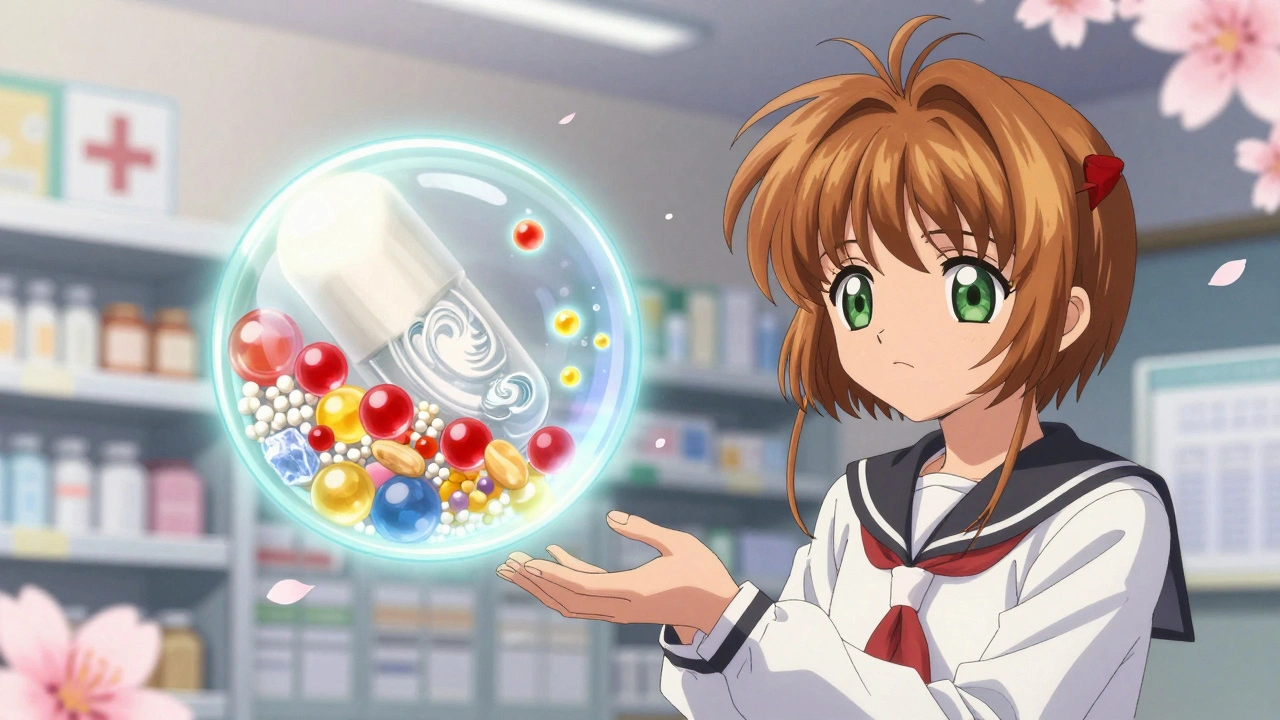
Inactive Ingredients in Generic Medications: What You Need to Know
Generic medications save money but may contain different inactive ingredients than brand-name drugs. These fillers can trigger allergies, digestive issues, or reactions in sensitive individuals. Learn what to look for and how to protect yourself.