Ocular Hypertension: A Simple Guide to High Eye Pressure
Have you ever heard about ocular hypertension? It's when the pressure inside your eye is higher than normal, but without damage to your optic nerve or vision loss. While it might sound alarming, it doesn't mean you have glaucoma yet, but it can raise your chances of developing it later.
Measuring eye pressure usually happens during an eye exam with a quick, painless test called tonometry. If your eye pressure is above 21 mmHg, doctors call it ocular hypertension. You might feel totally fine because there aren’t obvious symptoms, which is why regular eye checks are so important. Catching it early is key to keeping your vision safe.
Why Should You Care About Eye Pressure?
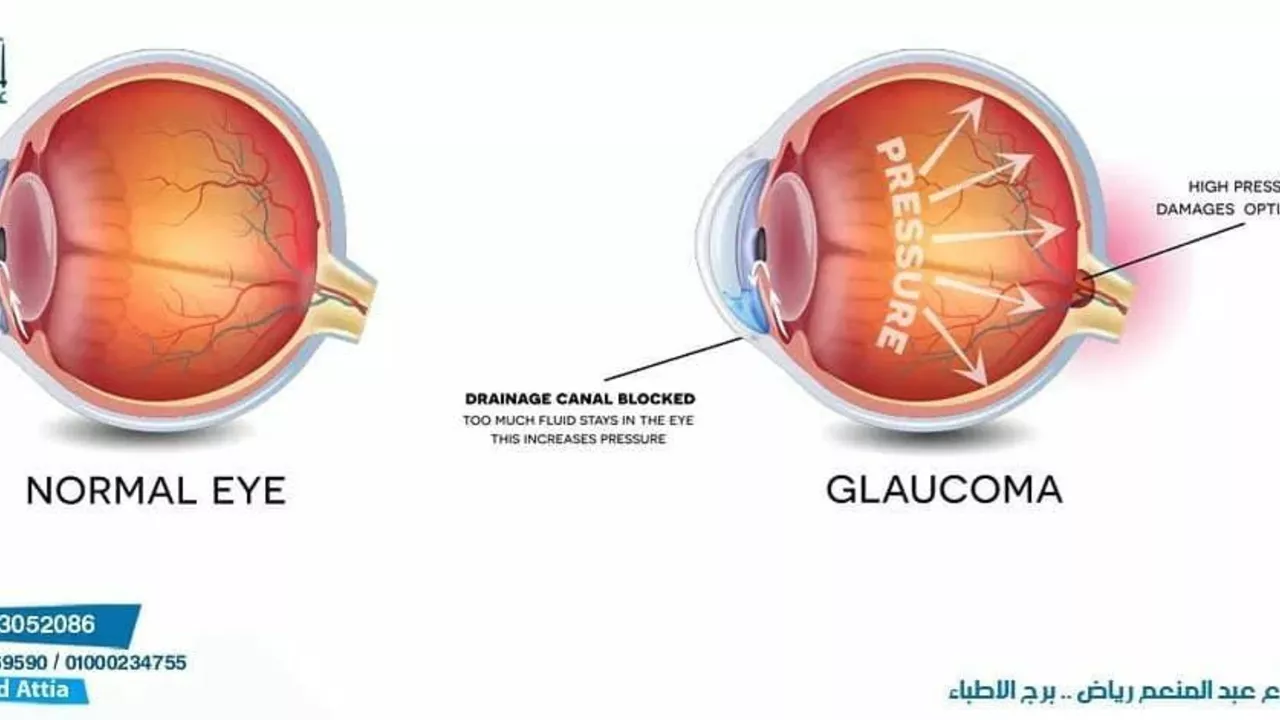
Ocular hypertension can sneak up on you because it doesn’t cause pain or vision changes until it might be too late. Higher pressure inside the eye can put strain on your optic nerve, which connects your eye to your brain. Over time, this pressure could lead to glaucoma, a serious eye condition that can cause blindness. The good news? Not everyone with ocular hypertension develops glaucoma.
Doctors consider other risk factors alongside eye pressure, such as age, family eye health history, and ethnicity. If you have ocular hypertension and any of these risk factors, your eye doctor might suggest treatment to lower your eye pressure and reduce the risk of vision damage.
Can You Lower Eye Pressure and Protect Your Eyes?
Yes, you can! The most common way is through prescription eye drops that help lower eye pressure by improving fluid drainage or reducing its production inside your eye. Some people benefit from lifestyle changes, like regular exercise, which can slightly lower eye pressure. Avoiding things that spike your eye pressure, like caffeine or certain medications, is another good move.
It's important to stick to your doctor's advice and take prescribed medication as directed because ocular hypertension is a condition you manage, not cure. Regular check-ups ensure your eye pressure stays in a safe range and your optic nerve stays healthy.
Remember, ocular hypertension doesn't have to be scary. With the right approach and monitoring, you can protect your vision and keep your eyes feeling great. So next time you get your eyes checked, ask about your eye pressure—it’s a smart step for your eye health future.
The Impact of Allergies on Ocular Hypertension and Eye Health
In my latest blog post, I dove deep into the link between allergies and ocular health, specifically ocular hypertension. It's fascinating to discover that allergies can indeed contribute significantly to increased eye pressure and consequently, jeopardize our eye health. Long-term inflammation caused by allergies can lead to ocular hypertension, which is a leading risk factor for glaucoma. If left untreated, this can cause serious vision problems. So, it's vital to manage allergies to not only ease the discomfort they cause but also to safeguard our eye health.