Shingles Prevention: What Actually Works and What to Avoid
Shingles is caused by the same virus that gives you chickenpox, a common childhood infection that stays dormant in your nerves. Years later, it can wake up as shingles — a painful, blistering rash that often hits people over 50. The good news? You can stop it before it starts. The shingles vaccine, a two-dose shot proven to cut your risk by more than 90% is the most effective tool we have. It’s not just for seniors — if you’ve had chickenpox, you’re at risk, and the vaccine is your best defense.
Shingles doesn’t just hurt while it’s active. Up to 20% of people who get it develop postherpetic neuralgia, long-lasting nerve pain that can last months or years. That’s why prevention isn’t optional — it’s critical. The vaccine works by boosting your immune system’s memory of the virus so it can shut it down before it flares up. You don’t need to be sick to get it. Even if you’ve had shingles before, the vaccine reduces your chance of getting it again. And if you’re unsure whether you had chickenpox — most people born before 1980 did — the CDC says you should still get vaccinated.
Some people worry the vaccine is risky, but serious side effects are rare. The most common? A sore arm, mild fever, or headache — nothing like the pain of shingles itself. There’s no magic supplement, no herbal remedy, and no diet that replaces the vaccine. Sure, staying healthy helps your immune system, but nothing comes close to the protection the shot offers. If you’re over 50, talk to your doctor about the recombinant vaccine (Shingrix), not the older one (Zostavax). Shingrix is stronger, longer-lasting, and recommended by every major health group.
Shingles prevention isn’t just about avoiding a rash. It’s about avoiding months of nerve pain, missed work, sleepless nights, and the fear that it might come back. The science is clear. The solution is simple. And it’s available to almost everyone who’s had chickenpox. Don’t wait until you’re in pain to act. The vaccine is one of the most effective preventive tools in modern medicine — and it’s underused.
Below, you’ll find real, practical advice from people who’ve been there — from how to spot early symptoms to why some insurance plans make getting the vaccine harder than it should be. These aren’t theories. These are lessons from patients, pharmacists, and doctors who’ve seen what works — and what doesn’t.
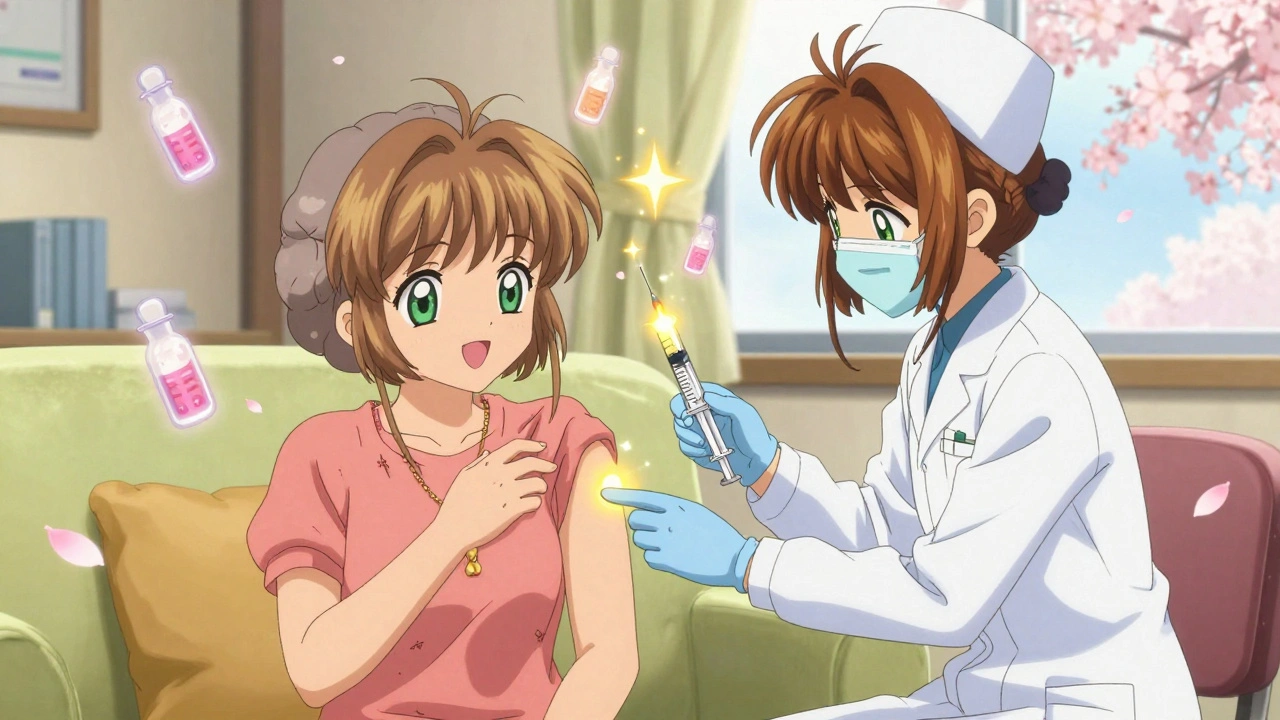
Shingles Vaccination: Who Should Get the Recombinant Zoster Vaccine
Shingrix, the recombinant zoster vaccine, is the only shingles vaccine recommended in the U.S. It's over 90% effective and safe for adults 50+ and immunocompromised individuals 19+. Get both doses to protect against shingles and long-term nerve pain.