Bone Density: Why It’s Important and How to Keep It Healthy
Ever wonder why your doctor asks about bone density during a check‑up? It’s simple – the denser your bones, the less likely they are to break. Bone density measures how much mineral content (mainly calcium) is packed into a cubic centimeter of bone. When that number drops, the skeleton gets weaker, and everyday bumps can turn into painful fractures.
Why Bone Density Matters
Low bone density is the hallmark of osteoporosis, a condition that affects millions worldwide, especially women after menopause. Even if you feel fine, weakened bones can cause silent fractures in the spine, hip, or wrist. Those breaks often lead to reduced mobility, longer recovery times, and higher medical costs. Keeping an eye on your bone health isn’t just about avoiding a broken hip; it’s about staying independent and active as you age.
Besides age and hormones, lifestyle choices have a big say. Smoking, heavy drinking, and a diet low in calcium or vitamin D all knock down your bone density. On the flip side, regular weight‑bearing exercise, adequate sunlight, and a balanced diet can push numbers back up.
Simple Steps to Improve Bone Density
Eat calcium‑rich foods. Dairy products like milk, yogurt, and cheese are classic choices, but leafy greens (kale, bok choy) and fortified plant milks work too. Aim for about 1,000 mg of calcium per day if you’re under 50, and a bit more after that.
Boost vitamin D. Vitamin D helps your gut absorb calcium. A short 10‑minute walk in midday sun usually does the trick, but if you’re indoors a lot, a daily supplement of 800‑1,000 IU can fill the gap.
Strength‑training matters. Activities that make you push against gravity—like brisk walking, jogging, dancing, or weight lifting—stimulate bone formation. Even body‑weight moves like squats and lunges, done two to three times a week, can make a noticeable difference.
Limit caffeine and soda. Too much coffee or cola can leach calcium from your bones. Keep caffeine under 200 mg a day (about one cup of coffee) and swap sugary drinks for water or herbal tea.
Consider supplements wisely. If you struggle to meet calcium or vitamin D needs from food, a well‑rated supplement can help. Talk to a pharmacist or doctor to pick the right dose and avoid taking excess, which can cause other health issues.
Finally, get your bone density checked if you have risk factors—family history of osteoporosis, a prior fracture, long‑term steroid use, or early menopause. A simple DEXA scan shows your current status and lets you track progress over time.
Keeping bones strong isn’t a one‑time fix; it’s a series of small, consistent habits. Add a glass of milk to breakfast, step outside for a quick walk, and squeeze in a set of squats before dinner. Over weeks and months, those actions add up, raising your bone density and lowering the chance of a painful break.
Take charge of your bone health today. Your future self will thank you with stronger joints, better balance, and the freedom to keep doing what you love.

Vitamin D and Bone Health: What Really Works for Targets and Supplements
Vitamin D supports bone health by helping absorb calcium, but most healthy adults don't need supplements. New research shows high doses may harm bone density. Test your levels first, then supplement only if deficient.
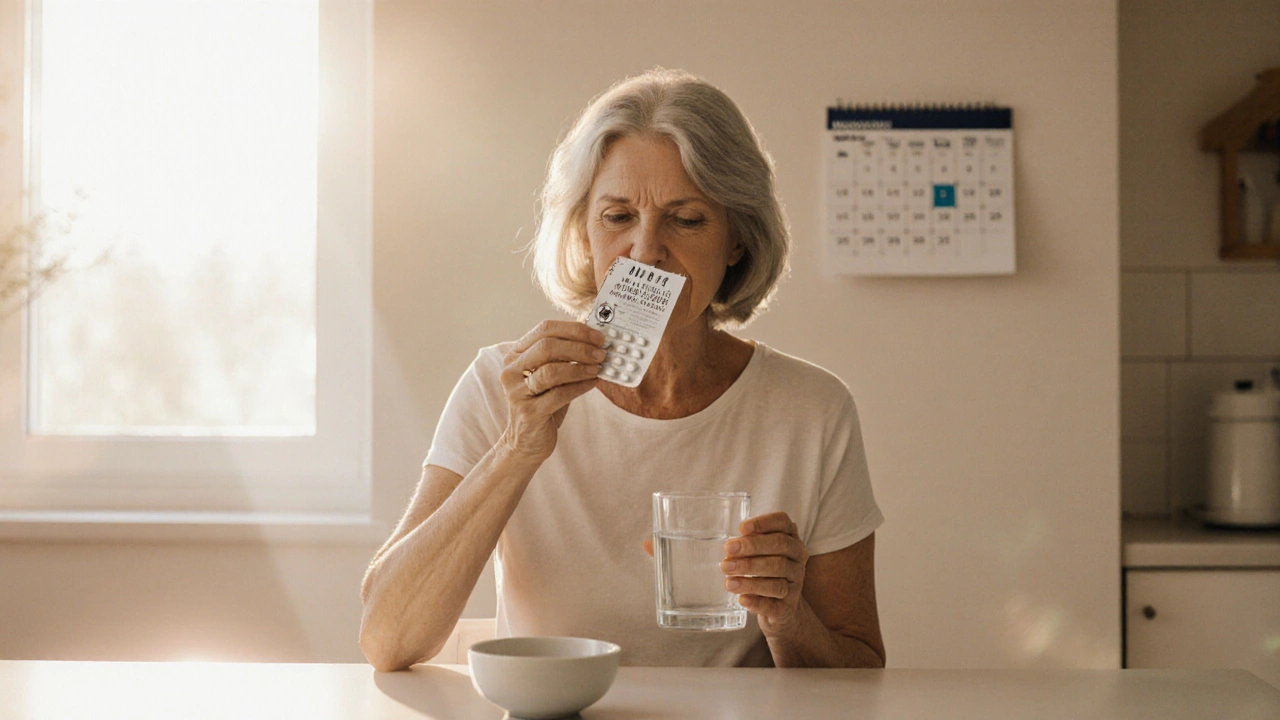
Actonel (Risedronate) vs. Other Osteoporosis Medicines: A Practical Comparison
A clear, side‑by‑side comparison of Actonel (risedronate) with top osteoporosis alternatives, covering dosing, safety, cost, and how to choose the right treatment.